


Key Takeaways
- A racing heart at night is almost always benign in otherwise healthy people. Most cases are caused by anxiety, caffeine, alcohol, or benign ectopic beats that are simply more noticeable in the quiet of night.
- Palpitations feel worse when lying down because there are fewer distractions, vagal tone is higher, and lying on the left side brings the heart physically closer to the chest wall.
- Magnesium deficiency increases cardiac electrical excitability and is one of the most common and overlooked causes of benign nocturnal palpitations.
- Palpitations with chest pain, shortness of breath, dizziness, or fainting require urgent medical evaluation. Palpitations alone in a healthy adult almost never do.
Lying in bed with your heart pounding when you are trying to sleep is frightening and exhausting. The reassuring news: a heart beating fast at night with no other symptoms in an otherwise healthy person is almost always benign. Most nocturnal palpitations are either normal sinus tachycardia driven by anxiety or caffeine, or benign ectopic beats so common that 70-80% of adults have them on 24-hour ECG monitoring.
What makes nighttime different from the day is not the heart but the awareness. The quiet of the bedroom removes the distractions that masked these beats all day. Understanding why the racing sensation specifically worsens at night and when lying down changes the experience from frightening to explainable. For the anxiety component that often accompanies and amplifies palpitations, the connection to magnesium and anxiety is one of the most relevant and modifiable factors covered in this article.
Why Your Heart Races at Night and Feels Worse When Lying Down
Most people notice palpitations at night that they didn’t notice during the day. The heart isn’t necessarily doing anything different. The perception has changed. Four mechanisms explain why:
- Reduced sensory competition: during the day, conversations, tasks, movement, and screens compete for attention. In the quiet of the bedroom, a skipped beat or fast run of heartbeats that went entirely unnoticed at 2pm becomes impossible to ignore at 11pm.
- Higher vagal tone at night: the parasympathetic nervous system is more active as the body prepares for sleep. Higher vagal tone slows the sinus rate slightly, creating longer pauses between beats. This gives ectopic beats (extra heartbeats) more contrast and makes them more physically perceptible.
- Lying on the left side: the heart sits in the left chest. Lying on the left side brings it closer to the chest wall, making every beat more physically noticeable. This is why “heart palpitations when lying down on the left side” is so frequently searched — the position itself amplifies perception, not the heart rate.
- Acid reflux in the supine position: lying flat removes the gravitational protection against acid reflux. The vagus nerve innervates both the oesophagus and the heart — acid stimulating the oesophagus can trigger a vagal reflex that produces ectopic beats. This is the direct mechanism behind the association between GERD and nighttime palpitations.
| Heart palpitations only at night often simply means daytime distractions were masking beats that were happening all along. This is the most common explanation and the most consistently missed by people who believe something changed. |
What Causes a Racing Heart at Night?
The table below summarises the most common causes, their mechanism, and when they typically produce symptoms. Detailed explanations follow.
| Cause | Mechanism | Typical timing |
| Anxiety | Sympathetic activation raises heart rate and ectopic beat frequency | When trying to fall asleep |
| Caffeine | Blocks adenosine; raises catecholamines; half-life 5-7 hours | Within 8 hours of last dose |
| Alcohol | Sympathetic rebound as blood alcohol falls | 2-4 hours after drinking (mid-sleep) |
| Late meals / GERD | Vagal reflex: oesophageal acid stimulates cardiac vagus | 1-3 hours after eating |
| Magnesium deficiency | Increased cardiac conduction excitability | Any time; worsens at night |
| Menopause / perimenopause | Hot flash sympathetic surge: vasodilation + tachycardia | Overnight with night sweats |
| Dehydration | Reduced blood volume; compensatory tachycardia | Persistent through the night |
| Sleep apnoea | Nocturnal hypoxia triggers sympathetic activation | During sleep; may wake the person |
Anxiety and Stress
Anxiety is the most common cause of a heart beating fast at night. The sympathetic nervous system produces tachycardia, increased stroke volume, and ectopic beats — all felt as palpitations. In health anxiety, the fear of palpitations becomes self-reinforcing: noticing the heartbeat triggers anxiety, which raises heart rate and ectopics, which increase anxiety further.
The transition from wakefulness to sleep involves autonomous nervous system flux — a period when both sympathetic and parasympathetic tone are in transition. People with elevated baseline anxiety are particularly vulnerable during this window. For natural options to address the anxiety component, ashwagandha for anxiety covers the HPA-axis pathway that overlaps directly with nighttime sympathetic activation.
Caffeine
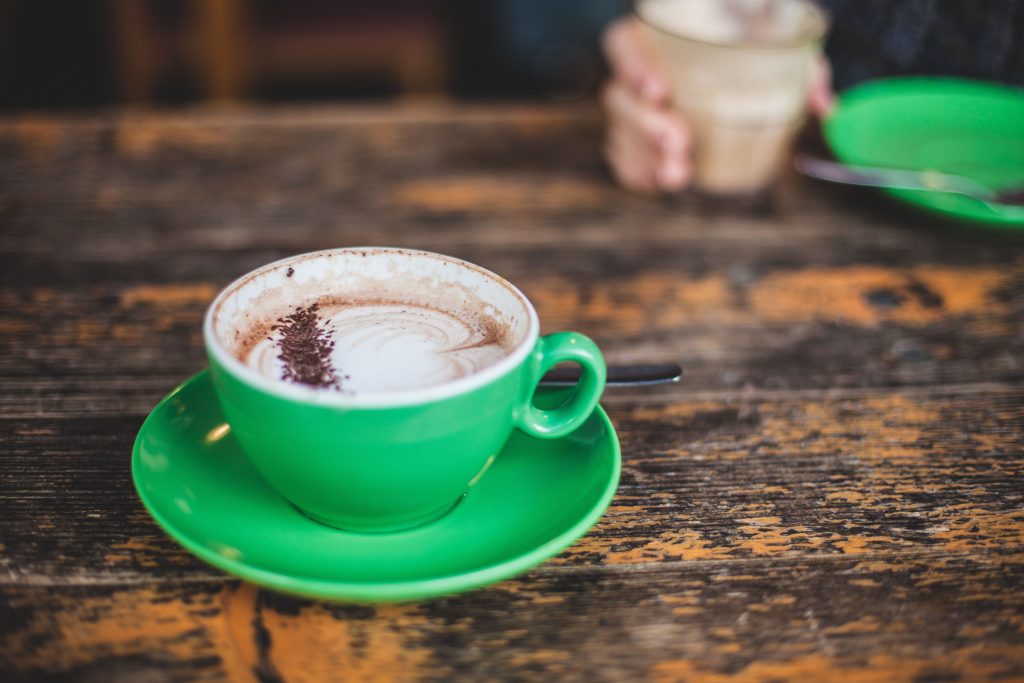
Caffeine has a half-life of 5 to 7 hours. An afternoon coffee at 3pm still has approximately half its stimulant effect at 9pm. Caffeine directly increases ectopic beat frequency by blocking adenosine receptors and raising catecholamine secretion. For people experiencing palpitations consistently at night, cutting caffeine after 12pm is the single highest-yield lifestyle change to test first.
Alcohol and the 2am Racing Heart
Alcohol initially suppresses the sympathetic nervous system, which is why it feels relaxing. But as blood alcohol falls, 2 to 4 hours after drinking, there is a well-documented sympathetic rebound: adrenaline spikes, heart rate increases, and the dehydration and electrolyte depletion from alcohol processing compound the effect. People who drink in the evening often fall asleep easily but wake between 1am and 3am with a racing heart. This is the mechanism, and it explains the pattern precisely. The how to lower cortisol naturally article covers the adrenal-sympathetic relationship that underlies this response.
Late Meals and GERD

Large or late evening meals keep insulin elevated and gastric pressure high during early sleep. More specifically, nocturnal acid reflux in the supine position stimulates vagal nerve afferents in the oesophagus, triggering ectopic beats via the cardiac vagal efferents. Gas and gastric distension can provoke the same reflex. People who experience palpitations alongside heartburn, belching, or a cough at night should consider GERD as the direct mechanism.
Magnesium Deficiency
Magnesium is a natural calcium channel antagonist in cardiac conduction tissue. When magnesium is low, cardiac electrical excitability increases, predisposing to the ectopic beats (PVCs and PACs) that most people experience as palpitations. A 1995 study in the American Journal of Cardiology found that intravenous magnesium significantly reduced ventricular ectopic beat frequency in patients with frequent PVCs. Magnesium deficiency is one of the most modifiable and most commonly overlooked causes of benign ectopic palpitations. Taking magnesium for anxiety and nervous system support addresses both the cardiac and the anxiety pathways simultaneously.
Menopause and Perimenopause
Oestrogen decline dysregulates the autonomic nervous system. Hot flashes are mediated by acute sympathetic activation: peripheral vasodilation, sweating, and tachycardia occur simultaneously. For perimenopausal women, night sweats and heart palpitations at night are among the most consistent and most distressing symptoms. The heart isn’t diseased — the autonomic regulation is temporarily destabilised by the hormonal transition. “Perimenopause heart palpitations at night” is searched thousands of times monthly by women who are rarely told this is the mechanism.
Hypothyroidism
Subclinical hypothyroidism is associated with cardiac electrophysiology changes including increased ectopic beat frequency, counterintuitively in a condition associated with slowed metabolism. The connection between thyroid function and cardiac rhythm is well established. The symptoms of subclinical hypothyroidism article covers this connection and the testing approach in full.
Dehydration, Electrolytes, and Sleep Apnoea
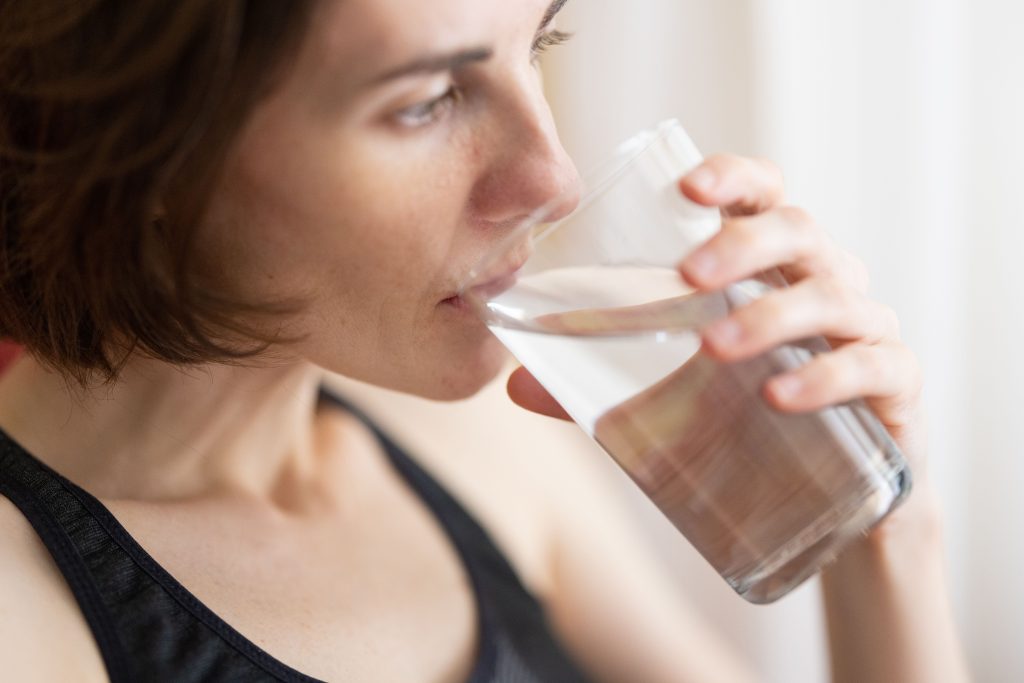
Mild dehydration reduces blood volume, requiring compensatory heart rate increases to maintain cardiac output. Low potassium and magnesium both directly impair cardiac conduction. People who don’t drink enough through the day frequently experience nocturnal tachycardia. Sleep apnoea warrants a specific flag: nocturnal hypoxia during apnoeic episodes stimulates strong sympathetic activation and can cause arrhythmias. If palpitations occur alongside snoring, waking gasping, or persistent morning headaches, a sleep study is appropriate.
When to See a Doctor About Heart Palpitations at Night
Palpitations alone in a healthy person with no other symptoms are almost always benign. According to the American Heart Association, the vast majority of palpitations are caused by benign ectopic beats or sinus tachycardia from lifestyle factors. Evaluation is needed when other symptoms are present.
See a doctor promptly if palpitations come with any of the following:
- Chest pain or tightness
- Shortness of breath
- Dizziness, light-headedness, or the sensation of almost fainting
- Actual fainting (syncope)
- A persistent heart rate above 150 bpm at rest
- A sudden, rapid, structured regular rhythm lasting more than 30 seconds
- New onset in adults over 50 with cardiovascular risk factors
- Palpitations in someone with diagnosed heart disease
| Palpitations with chest pain, shortness of breath, or dizziness are a different clinical picture from palpitations alone. Do not attempt to self-manage the former. The latter, in an otherwise healthy adult, is almost always benign. |
Immediate Ways to Calm a Racing Heart at Night
If palpitations are keeping you awake right now, these techniques engage the parasympathetic nervous system and reduce heart rate within minutes:
- Slow, deep breathing (4-7-8 pattern): inhale for 4 counts, hold for 7, exhale slowly for 8. Exhalation activates the vagus nerve. This is the most accessible and consistently effective immediate intervention for anxiety-driven and ectopic palpitations.
- Cold water: splash cold water on the face or briefly submerge your face in cold water for 10 to 30 seconds. Triggers the mammalian diving reflex — a strong parasympathetic response that slows heart rate rapidly. Most effective for fast regular rhythms.
- Valsalva manoeuvre: bear down as if having a bowel movement for 10 to 15 seconds, then immediately lie flat and raise your legs. The modified version (adding the leg elevation) is significantly more effective for terminating supraventricular tachycardia than the standard version, according to a 2015 randomised trial in The Lancet.
- Change position: if palpitations are most noticeable on the left side, roll onto the right side or onto the back. This reduces direct contact between the heart and the left chest wall.
- Break the attention loop: for anxiety-driven palpitations, focusing attention on external sensory details (five things you can see, four you can feel, three you can hear) is more effective than attempting to “calm down.” Redirecting attention breaks the awareness-anxiety cycle.
Lifestyle Adjustments to Prevent Nighttime Palpitations
Addressing the modifiable causes resolves most benign nocturnal palpitations within 2 to 4 weeks of consistent change:
- Cut caffeine after 12pm: the single highest-yield change for most people. A 5 to 7 hour half-life means any caffeine after midday still has meaningful stimulant effect at bedtime. Two weeks caffeine-free after noon typically eliminates caffeine-driven nocturnal palpitations entirely.
- Avoid alcohol within 3 to 4 hours of sleep: prevents the sympathetic rebound that causes the 2am racing heart pattern. Even if initial sleep quality improves, the second half of sleep is disrupted by adrenergic rebound, dehydration, and electrolyte loss.
- Eat dinner at least 2 to 3 hours before bed: reduces gastric distension, reflux, and the vagal reflex mechanism that produces GERD-related palpitations. Avoid very large meals regardless of timing.
- Stay hydrated through the day: consistent water intake prevents the blood volume reduction that drives compensatory tachycardia. Most people are mildly dehydrated by late evening if they haven’t been deliberate about fluid intake.
- Magnesium glycinate or taurate (200-400 mg elemental, in the evening): magnesium stabilises cardiac conduction tissue and reduces ectopic beat frequency. The glycinate form is gentle on digestion; taurate has additional cardiovascular-specific benefits. For a pharmaceutical-grade magnesium taurate supplement in the evening dose range, look for products with verified elemental content.
- Anxiety management before bed: structured wind-down routines, journaling, and anxiety-targeted supplements such as L-theanine for pre-sleep calming taken 30 to 60 minutes before sleep reduce the sympathetic activation that drives the most common form of nocturnal palpitations.
The Quiet Makes It Louder
Most people with a heart beating fast at night that prevents sleep are noticing heartbeats that were always there. The bedroom removes the distractions that masked them all day. The underlying cause — anxiety, caffeine, alcohol, GERD, magnesium deficiency, or the autonomic changes of menopause — determines what actually changes the experience.
For most healthy adults, the caffeine cutoff, alcohol timing, and magnesium in the evening address the majority of cases. Anxiety-driven palpitations respond to breathing techniques, attention redirection, and adaptogens that reduce baseline sympathetic tone. The pattern resolves in most people within weeks of consistent lifestyle adjustment. If it doesn’t, or if any of the red flags from the when-to-see-a-doctor section apply, a standard ECG and a conversation with a doctor is the appropriate next step.
Frequently Asked Questions
Why does my heart beat fast at night when I try to sleep?
Usually because the quiet of the bedroom removes the distractions that masked your heartbeat all day. Caffeine, alcohol, late meals, anxiety, and GERD are the most common triggers. The heart isn’t necessarily beating faster — it’s more noticeable.
Why are palpitations worse when lying down?
Lying down increases vagal tone, making ectopic beats more distinct. Lying on the left side brings the heart closer to the chest wall, amplifying perception. Lying flat also promotes acid reflux, which can trigger ectopic beats via the vagal reflex.
Why does my heart race at 2am after drinking?
Alcohol causes sympathetic rebound as blood alcohol falls 2 to 4 hours after drinking. Adrenaline rises, heart rate increases, and dehydration compounds it. The first half of sleep is fine; the second half is not.
Can menopause cause a racing heart at night?
Yes. Oestrogen decline dysregulates the autonomic nervous system. Hot flashes are mediated by acute sympathetic activation that includes tachycardia. Nocturnal palpitations with night sweats are among the most consistent perimenopausal symptoms.
Can anxiety cause heart palpitations at night?
Yes, it is the most common cause. Anxiety activates the sympathetic nervous system, raising heart rate and ectopic beat frequency. Awareness of the heartbeat then triggers more anxiety — a self-reinforcing cycle that is specific to the quiet of nighttime.
How do I stop my heart racing when trying to sleep?
Slow deep breathing (4-7-8 pattern), cold water on the face, or a position change are the most effective immediate options. Longer term: cut caffeine after 12pm, avoid alcohol before bed, and consider evening magnesium supplementation.
When should I see a doctor about a racing heart at night?
If palpitations come with chest pain, shortness of breath, dizziness, or fainting. Also if they last more than 30 seconds, occur at a very rapid regular rate, or you have known heart disease or cardiovascular risk factors.
