


Key Takeaways
- Exercise type determines the outcome: zone 2 cardio (conversational pace) consistently lowers cortisol; high-intensity exercise raises it. Replacing HIIT sessions with zone 2 is one of the fastest lifestyle changes.
- Blood sugar stability is an underrated cortisol lever. Reactive cortisol spikes from glucose drops — not just psychological stress — drive many common symptoms including the 2-4am waking pattern.
- Ashwagandha has the strongest RCT evidence for cortisol reduction (23-30% over 60 days). Phosphatidylserine targets the morning cortisol peak specifically. Magnesium glycinate supports the evening decline. These address different phases of the daily pattern.
- Caffeine after noon delays the natural evening cortisol decline. Cutting it at midday produces measurable sleep quality improvement within days — often faster than any supplement.
There is a significant difference between advice that sounds like it should reduce cortisol — “take deep breaths and eat more vegetables” — and interventions that have actually been measured to reduce cortisol in controlled human studies. Most cortisol-reduction content conflates the two. This guide does not.
Each of the 10 methods below includes a mechanism (why it works), an evidence grade, and where relevant, specific doses or protocols. If you have not yet identified your cortisol pattern — whether your problem is an excessive morning peak, a failed evening decline, or sustained elevation throughout the day — the companion guide on symptoms of high cortisol in women covers that in full. Knowing which part of the diurnal rhythm is disrupted helps direct which methods to prioritise first.
10 Ways to Lower Cortisol Naturally
1. Ashwagandha — Strongest Single Supplement for Cortisol Reduction
Evidence: Strong — multiple human RCTs
Ashwagandha (Withania somnifera) acts on hypothalamic CRH-secreting neurons, reducing the upstream signal that drives the entire HPA cortisol cascade. This is the most studied natural intervention for cortisol with the clearest evidence base.
A 2019 RCT published in Medicine found 240 mg/day of a standardised ashwagandha extract reduced serum cortisol by 23% over 60 days vs. placebo. A separate study with KSM-66 at 300 mg twice daily found approximately 28% reduction alongside significant improvements in perceived stress scores. The effect is upstream — ashwagandha reduces how much cortisol the body produces, not just how it is experienced.
- Dose: 300-600 mg/day of KSM-66 (root-only) or Sensoril (root and leaf) extract — both are the most studied formats.
- Timing: morning with the largest meal. Can be split AM/PM at a full 600 mg dose.
- Timeline: measurable serum cortisol reduction at 4-8 weeks.
Note: not recommended during pregnancy. May interact with thyroid medication — monitor if you have hypothyroidism.
2. Phosphatidylserine — Targets the Morning Cortisol Peak Specifically
Evidence: Strong — human RCTs in exercise and stress contexts
Phosphatidylserine (PS) is a phospholipid that blunts ACTH release from the pituitary — the hormone that signals the adrenal glands to produce cortisol. This makes it specifically effective at two points: the Cortisol Awakening Response (CAR, the morning peak) and the post-exercise cortisol spike. Multiple RCTs confirm PS reduces cortisol response to both physical and psychological stress at 400-800 mg/day.
- Dose: 400-800 mg/day.
- Timing: morning or before exercise — this is not an evening supplement. Its cortisol-blunting effect targets the morning peak specifically.
- Particularly useful for: waking anxious with a racing heart; athletes who overtrain; anyone with an excessive morning cortisol pattern.
3. Zone 2 Cardio — The Type of Exercise That Lowers Cortisol
Evidence: Moderate — exercise physiology studies
Exercise type is more important than exercise quantity when cortisol is elevated. This is the most widely misunderstood aspect of cortisol management.
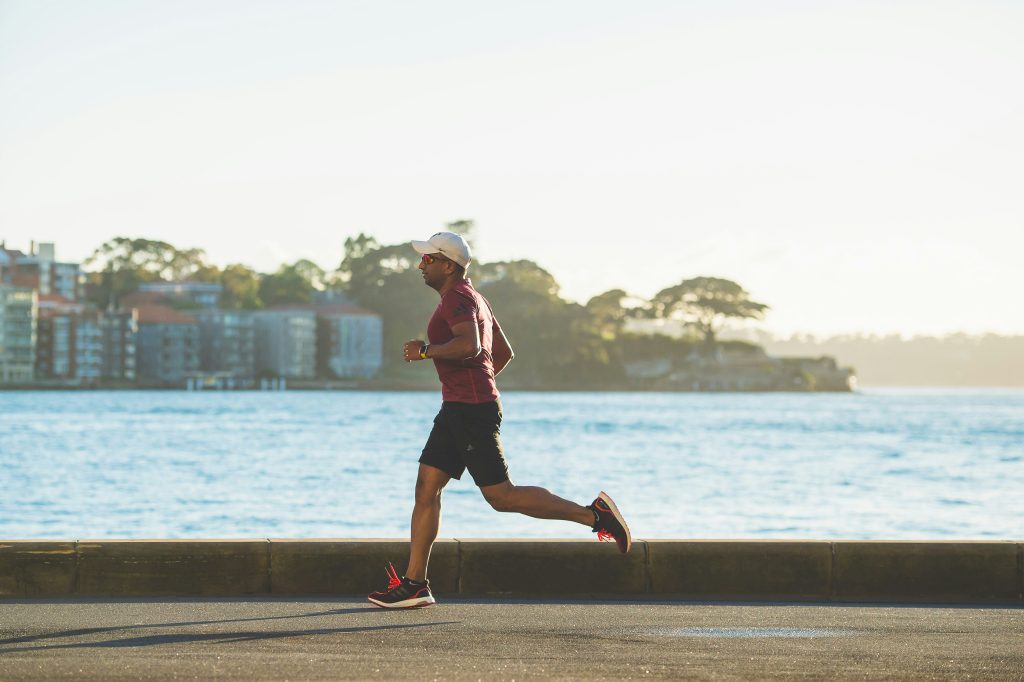
High-intensity exercise (HIIT, heavy strength training, long runs above zone 2) produces an acute cortisol spike and, when chronically overdone in already-stressed individuals, keeps cortisol elevated. Zone 2 cardio — 60-70% maximum heart rate, conversational pace — consistently lowers cortisol over time and does not spike it acutely.
| The zone 2 test: you should be able to hold a full sentence conversation without breathlessness. If you cannot, reduce intensity. Walking, cycling, swimming, and easy jogging all qualify. |
- Protocol: 20-45 minutes, 3-5 times per week. For women currently doing HIIT with elevated cortisol, replacing some sessions with zone 2 is one of the most impactful practical changes available.
- Timeline: progressive HPA axis normalisation over 4-8 weeks of consistent practice.
4. Sleep Optimisation — The Foundation Every Other Method Depends On
Evidence: Strong — direct bidirectional relationship
The HPA axis is reset during slow-wave sleep when growth hormone suppresses cortisol production. Sleep deprivation directly raises cortisol the following day — even a single night of reduced sleep produces measurable morning cortisol elevation. This relationship is bidirectional: high cortisol disrupts sleep; poor sleep raises cortisol. Breaking the cycle requires treating sleep as the primary intervention, not an afterthought.
The single most impactful dietary change for sleep and evening cortisol: cut caffeine after noon. Caffeine has a half-life of 5-6 hours, meaning coffee at 3pm still has 50% of its stimulant load at 8-9pm — directly delaying the evening cortisol decline. Most people who implement this one change notice sleep quality improvement within 1-3 days.
Magnesium glycinate taken before bed supports both sleep architecture and the evening cortisol decline simultaneously — one of the most efficient single supplements for this combined effect.
5. Magnesium Glycinate or Threonate — Upstream HPA Regulation
Evidence: Moderate-Strong
Magnesium acts as a natural brake on NMDA receptor activation that drives CRH secretion from the hypothalamus — the signal that initiates cortisol production. Critically, stress depletes magnesium, and lower magnesium drives more CRH secretion. Supplementation breaks this reinforcing cycle.
The form matters significantly. “Which magnesium lowers cortisol” is a commonly searched question because the answer is not “any magnesium”:
- Magnesium glycinate: highest bioavailability, crosses the blood-brain barrier, gentlest on digestion — best overall for HPA regulation and sleep.
- Magnesium threonate (L-threonate): specifically engineered for brain penetration; highest CNS magnesium elevation of any form; best for cognitive cortisol symptoms.
- Magnesium citrate: moderate bioavailability, primarily useful for constipation — second choice for cortisol support.
- Magnesium oxide: lowest bioavailability; not recommended for cortisol or sleep.
- Dose: 200-400 mg elemental magnesium as glycinate or threonate.
- Timing: evening before bed — synergises with sleep onset and the cortisol evening decline.
6. Blood Sugar Stabilisation — The Overlooked Cortisol Trigger
Evidence: Moderate — mechanistic and observational
When blood glucose drops below the brain’s threshold, cortisol and adrenaline release to correct it — producing a stress hormone spike that is entirely independent of psychological stress. This reactive cortisol from dietary triggers is responsible for: post-lunch energy crashes, the 3-4pm carbohydrate cravings, and — critically — the 2-4am waking pattern that many people attribute to anxiety or stress when it is driven by nocturnal blood glucose drops.
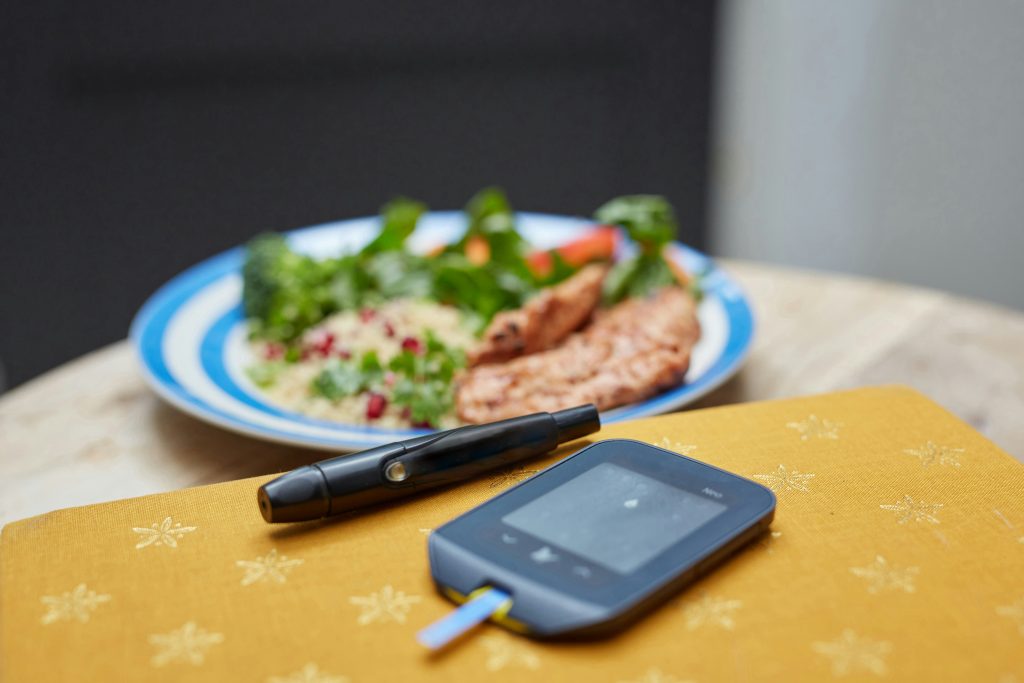
For women who are doing everything right (sleeping adequately, meditating, taking adaptogens) but still experiencing morning anxiety or night-time waking, unaddressed blood sugar instability is frequently the cause.
- Protocol: eat 30+ g protein with every meal; avoid going longer than 4-5 hours between meals; reduce refined carbohydrates and added sugar; do not skip breakfast if morning cortisol is the primary concern.
- Additional tool: apple cider vinegar (1-2 tablespoons in water before high-carbohydrate meals) modestly blunts the post-meal glucose response through amylase inhibition — a practical adjunct for blood sugar stability.
7. Nature Exposure — 21% Salivary Cortisol Reduction in 20 Minutes
Evidence: Moderate — multiple controlled studies
Exposure to natural environments activates the parasympathetic nervous system through a combination of sensory inputs — reduced ambient noise, specific natural light wavelengths, and green visual field stimulation — that directly suppress the sympathetic arousal driving cortisol production.
A 2019 study in Frontiers in Psychology found 20 minutes in a natural setting reduced salivary cortisol by approximately 21%. Urban parks qualified — wilderness was not required. This is a mechanistically measured reduction, not a metaphorical wellness recommendation.
- Protocol: 20 minutes of deliberate nature contact daily. Walking during this time amplifies the effect.
- Note: the cortisol reduction is acute — measurable within the session. Cumulative HPA normalisation builds with daily practice.
8. Diaphragmatic Breathing and HRV Training
Evidence: Moderate — multiple RCTs in stress contexts
Diaphragmatic breathing activates the parasympathetic nervous system via vagal afferent signalling. A single 5-minute session measurably reduces salivary cortisol and self-reported anxiety. With regular practice, the cumulative effect is a higher baseline parasympathetic tone that structurally reduces HPA reactivity — making cortisol spikes smaller and recovery faster.
- Protocol: 4-7-8 breathing (inhale 4 counts, hold 7, exhale 8) or box breathing (4 counts each phase), 5-10 minutes, 1-3 times daily. Morning practice directly blunts the CAR; evening practice supports the cortisol decline needed for sleep.
- HRV tracking: wearable devices (Oura Ring, Garmin, Apple Watch) measure heart rate variability — a real-time proxy for parasympathetic tone and HPA normalisation. Tracking HRV improvement makes cortisol progress measurable without a blood test.
9. Rhodiola Rosea — For the Exhausted-But-Wired Pattern
Evidence: Moderate — human RCTs in stress and fatigue contexts
Rhodiola modulates cortisol reactivity through OAT1 receptor interactions and direct HPA axis effects. It is most effective for the fatigue-dominant cortisol pattern — the exhausted-but-wired state where cortisol remains elevated even when the person feels depleted. Multiple RCTs show significant reductions in stress-related fatigue and cognitive impairment; one trial demonstrated measurable reduction in urinary cortisol metabolites over 4 weeks (Olsson et al., 2009).

Complementary to ashwagandha through different mechanisms — the two can be stacked. Full mechanism and dosage in the rhodiola for stress guide.
- Dose: 200-400 mg standardised extract (3% rosavins, 1% salidroside) daily.
- Timing: morning only — rhodiola has mild stimulating properties and can impair sleep onset if taken in the evening.
10. L-Theanine — Acute Cortisol-Anxiety Response
Evidence: Moderate — human studies in stress/anxiety
L-theanine promotes alpha-wave brain activity and supports GABA receptor activity, directly opposing the sympathetic arousal that drives cortisol spikes. A 2012 study in Nutritional Neuroscience found L-theanine significantly blunted cortisol and salivary chromogranin A (a stress biomarker) responses to acute psychological stress. It is the most practical tool for acute cortisol spikes — the moment anxiety escalates, not for sustained HPA normalisation over weeks.
It is also specifically useful for the anxious component of high cortisol. The L-theanine for anxiety guide covers the GABA mechanism and dosing in full.
- Dose: 100-200 mg; often combined with caffeine (1:2 theanine:caffeine ratio) to blunt the cortisol effect of caffeine while retaining focus.
- Timing: flexible — morning for stress response modulation; evening for sleep onset support.
Supplements to Lower Cortisol: Dose and Timing Guide
| Supplement | Mechanism | Dose | Timing | Timeline |
| Ashwagandha (KSM-66 / Sensoril) | Reduces CRH at hypothalamus | 300-600 mg | Morning with food | 4-8 weeks |
| Phosphatidylserine | Blunts ACTH pituitary response | 400-800 mg | Morning / pre-workout | 2-4 weeks |
| Magnesium glycinate or threonate | Inhibits NMDA-driven CRH; evening decline | 200-400 mg | Evening before bed | 2-4 weeks |
| Rhodiola rosea | HPA reactivity; stress-induced fatigue | 200-400 mg | Morning only | 2-4 weeks |
| L-theanine | Alpha-wave activity; sympathetic tone | 100-200 mg | Flexible AM or PM | Acute + cumulative |
| Omega-3 (EPA + DHA) | EPA reduces CRH and ACTH response | 2 g combined | With fat-containing meal | 6-8 weeks |
| Vitamin C | Adrenal support; post-stress recovery | 1,000-2,000 mg | With meals | 4 weeks |
Most people with elevated cortisol benefit from combining methods that target different phases of the daily pattern. Ashwagandha and phosphatidylserine address the morning peak; magnesium glycinate supports the evening decline; rhodiola and zone 2 exercise address the fatigue-cortisol cycle. These mechanisms are complementary and can be stacked safely. The B vitamin complex — particularly vitamin B5 (pantothenic acid) — supports adrenal gland function and cortisol synthesis regulation, making it a foundational daily addition alongside targeted adaptogens.
The Cortisol Diet: What to Eat and What to Cut
Diet shapes cortisol through two distinct mechanisms: reactive blood glucose (covered in method 6) and direct effects on the HPA axis through specific nutrients and compounds.
What to reduce
- Caffeine after noon: the fastest single dietary change. Blocks adenosine receptors and stimulates cortisol and adrenaline directly. Its 5-6 hour half-life means an afternoon coffee is pharmacologically present during sleep.
- Refined sugar and high-glycaemic carbohydrates: drive the glucose-insulin-cortisol reactive cycle. Most impactful for afternoon crashes and the 2-4am waking pattern.
- Alcohol: raises cortisol acutely and disrupts both REM and slow-wave sleep, preventing overnight HPA reset.
- Ultra-processed foods: sustain basal systemic inflammation that keeps CRH and cortisol elevated chronically.
What to include
- Omega-3 fatty acids (2g EPA+DHA daily): EPA specifically reduces CRH secretion and blunts the ACTH-cortisol response to stress — one of the best-evidenced dietary interventions. Fatty fish (salmon, mackerel, sardines) or algae-based omega-3 supplements.
- Magnesium-rich foods: dark leafy greens, pumpkin seeds, dark chocolate, almonds — the most dietary-accessible approach to the magnesium-cortisol connection.
- Protein at every meal: blood sugar stability is a foundation of cortisol management; 30+ g protein per meal is the mechanism.
- Phosphatidylcholine-rich foods: eggs and liver provide dietary precursors to phosphatidylserine, the phospholipid with the strongest cortisol RCT evidence.
How Long Does It Take to Lower Cortisol Naturally?
| Method | Acute effect | Sustained change |
| Diaphragmatic breathing | Within 5-10 minutes | 4-6 weeks of daily practice |
| Nature exposure (20 min) | Within the session | Cumulative with daily practice |
| Caffeine cutoff after noon | Sleep quality improves in 1-3 days | Immediate dietary change |
| Blood sugar stabilisation | Reactive pulses reduce within days | 2-4 weeks for pattern change |
| Ashwagandha | No acute effect | 4-8 weeks for serum reduction |
| Phosphatidylserine | Partial blunting of morning peak | 2-4 weeks for consistent effect |
| Zone 2 exercise | Modest acute reduction | 4-8 weeks for HPA normalisation |
| Magnesium glycinate | Evening support within 1-2 weeks | 4-6 weeks for full effect |
The practical approach: start with the fastest-acting changes first (caffeine cutoff, blood sugar stability, morning breathing practice), add supplements at week 1-2 (ashwagandha + phosphatidylserine morning, magnesium glycinate evening), and implement consistent zone 2 exercise and nature exposure as daily habits. Reassess at 8 weeks — either through a 4-point salivary cortisol retest or through objective tracking of the symptom pattern that brought you here.
For women with progesterone deficiency alongside high cortisol — a common combination driven by the pregnenolone steal — addressing cortisol is foundational, because progesterone supplementation or support cannot fully normalise while the cortisol demand is consuming the shared precursor.
Frequently Asked Questions
How can I lower cortisol quickly?
Diaphragmatic breathing reduces salivary cortisol within a 5-10 minute session. 20 minutes of nature exposure produces approximately 21% reduction. Cutting caffeine after noon improves sleep quality within 1-3 days. For supplement-based acute blunting, phosphatidylserine at 400-800 mg has the fastest onset (2-4 weeks for the morning peak).
What supplements lower cortisol the most?
Ashwagandha has the strongest RCT evidence — 23-30% serum cortisol reduction over 60 days. Phosphatidylserine targets the morning peak specifically. Magnesium glycinate supports the evening decline. Combining all three covers the full daily cortisol pattern at different points in the HPA cascade.
Does exercise lower cortisol levels?
It depends entirely on the type. Zone 2 cardio (60-70% max heart rate, conversational pace) lowers cortisol over time. High-intensity exercise raises it. For elevated cortisol, replacing HIIT sessions with zone 2 is a net positive change.
What foods lower cortisol?
No single food dramatically lowers cortisol, but dietary patterns matter. Omega-3-rich foods reduce CRH. Magnesium-rich foods (leafy greens, pumpkin seeds) support HPA regulation. More important than specific foods: cutting caffeine after noon, limiting alcohol, and eating protein with every meal to prevent reactive glucose drops.
How long does it take to lower cortisol naturally?
Breathing and nature exposure produce same-session cortisol reduction. Dietary changes work within days to weeks. Ashwagandha requires 4-8 weeks for measurable serum changes. Full HPA axis normalisation through consistent lifestyle change typically takes 2-3 months.
