


Key Takeaways Ashwagandha has genuine clinical evidence for mood and stress-related depression, but claims that it works like an antidepressant, raises serotonin directly, or treats clinical depression are not supported by current evidence. What the research shows is more specific…

Key Takeaways Of all the claims made about ashwagandha, cortisol reduction is the one with the strongest and most consistent clinical evidence. Ashwagandha and cortisol have a well-documented relationship: multiple independent randomized controlled trials show meaningful cortisol reduction in stressed…

Key Takeaways Yes, cortisol increases blood glucose, and it does so through four simultaneous mechanisms, not just one. Understanding exactly how this works matters because the same cortisol-glucose pathway explains both acute stress spikes and the chronic insulin resistance that…

Key Takeaways Ashwagandha is one of the most clinically studied adaptogens for sleep quality, but it works differently from most sleep supplements. It does not sedate. It does not spike melatonin. What it does is address the cortisol and anxiety…

Introduction: A New Era of Personalized Wellness Healthcare is currently changing rapidly for several reasons. New research is starting to confirm what many have believed for years: there is no such thing as a perfect treatment that applies equally to…
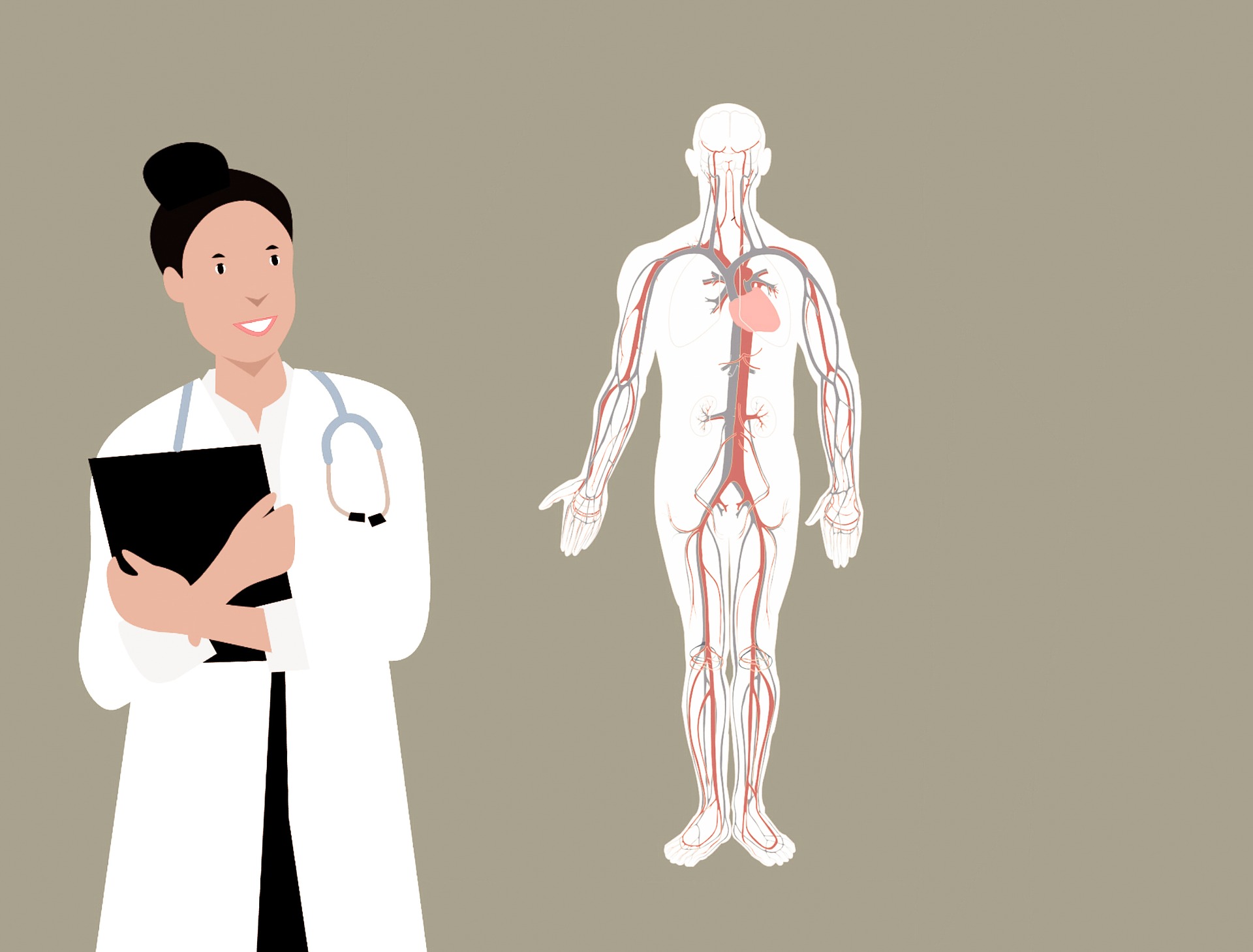
Introduction: Is Vein Health Written in Your Genes? People often associate heart disease, diabetes, and cancer with genetic predispositions to health concerns, while vein disease is often overlooked. However, thousands of people develop varicose veins, and it is important to…

Many people develop varicose veins even though they do not engage in activities that would cause poor circulation. Regular exercise, healthy body weight, and avoiding detrimental habits have all been employed to no avail. This phenomenon often brings to mind…

Key Takeaways A1C is a 90-day average. That means every dietary choice, exercise session, and night of sleep from the past three months is reflected in the number on your lab report. The same logic works in reverse: consistent, moderate…

Key Takeaways Magnesium glycinate is the most consistently recommended magnesium form for sleep, and for good reason. The combination of magnesium’s NMDA receptor modulation and glycine’s independent temperature-lowering and GABA-A activating effects makes it specifically sleep-targeted in a way no…

Key Takeaways Lying in bed with your heart pounding when you are trying to sleep is frightening and exhausting. The reassuring news: a heart beating fast at night with no other symptoms in an otherwise healthy person is almost always…
