

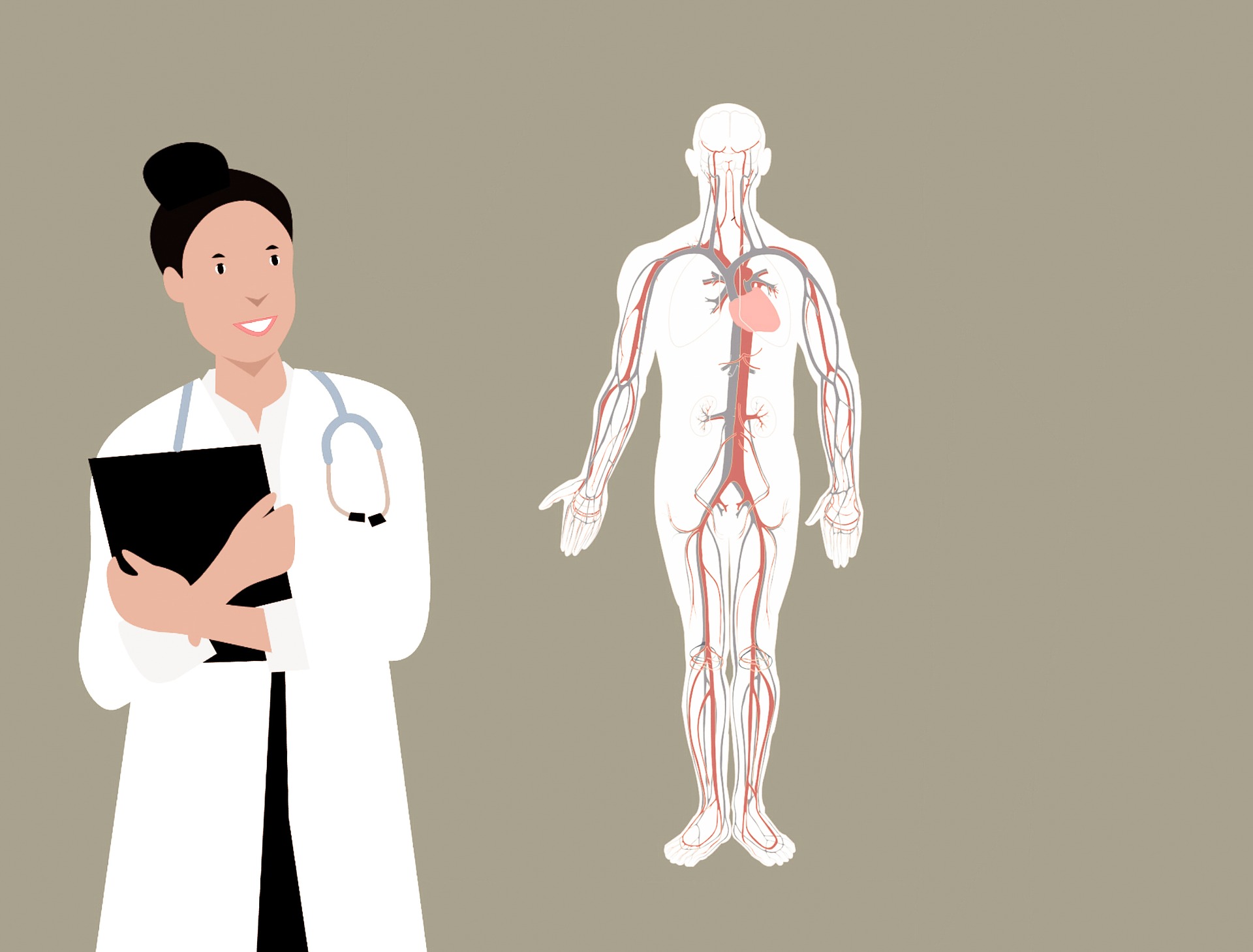
Introduction: Is Vein Health Written in Your Genes?
People often associate heart disease, diabetes, and cancer with genetic predispositions to health concerns, while vein disease is often overlooked. However, thousands of people develop varicose veins, and it is important to understand that genetics can play a more significant role than lifestyle choices in these conditions.
You have probably heard others say things like, “Varicose veins run in my family, and now I have them too.” Although this may sound anecdotal, researchers are beginning to suggest that genetics may be one of the most important factors in determining the health and disease of one’s veins. They are studying different genetic predispositions to weak veins, valvular insufficiency, and chronic venous disease.
Understanding your inherited risk can help you take proactive steps before symptoms become more severe. Individuals with a family history of varicose veins often benefit from early vascular evaluations to assess circulation and identify potential concerns. Those looking for specialized care can get treated by board-certified vein doctors in Voorhees through comprehensive vein assessments and personalized treatment recommendations.
Though genetics play a substantial role in vein disease, environmental factors, age, overall health, lifestyle, and pregnancy also contribute.
With modern medicine focusing more on genetics, a question many people find relevant is, “Can my DNA help predict my future risk of varicose veins?” Research is still in its early stages, and the answer is still evolving, but current studies are exploring how our understanding of varicose veins, prevention, and treatment may advance because of this new research.
How Do Healthy Veins Work?
Before delving into the genetics of vein disease, it is important to understand the anatomy of veins, or more specifically, how healthy veins work. Veins carry blood that has delivered oxygen to the body back to the heart. The veins in the legs work against gravity, which makes circulating blood back to the heart much more difficult.
Healthy veins have one-way valves that open when blood flows through to the next segment and close to prevent backflow. These valves, combined with the action of surrounding muscles, help maintain proper circulation.
If a vein’s valve is damaged or weakened, blood begins to flow backward and pool within that segment of the vein. This places strain on the walls of the vein, causing it to bulge. This process results in varicose veins, swelling, pain, a feeling of heaviness in the legs, and other symptoms related to chronic venous disease.
Research on Genetics and Varicose Veins
Studies of varicose veins strongly support that having relatives with varicose veins is a risk factor. If one parent has varicose veins, the offspring is at a higher risk compared to individuals whose parents do not have varicose veins. If both parents have vein disease, the risk is considerably higher.
Many genetic factors influence vascular health. Changes in these genes affect inflammation, blood vessel remodeling, and other processes related to the structural integrity of vein walls, connective tissue, valve formation, and inflammation.
Varicose veins are not classified as a single-gene disorder. Instead, they are a good example of a multifactorial disorder. The risk of developing them is influenced by a combination of genes as well as environmental factors.
Although DNA analysis cannot provide an accurate prediction, the growing body of research suggests that an individual’s DNA can provide clues about their likelihood of developing these conditions.
Connective Tissue Genes
Connective tissue genes are an excellent example of the influence of genetics on vascular health. The walls of veins contain elastin and collagen, which provide strength and flexibility.
Collagen and elastin allow veins to support and maintain their shape and size. Certain genetic variations affect how elastin and collagen are organized, produced, and maintained throughout a person’s life.
As a result, connective tissue may become more susceptible to stretching. Consequently, valves can become dysfunctional more easily, and circulation may become impaired.
The role of these genes in the development of varicose veins remains an active area of research, but there is sufficient evidence to support their involvement.
How Genetics Influence Vein Valve Function
The small valves located within veins are critical for normal blood flow. If these valves do not function properly and fail to close completely, blood accumulates in the veins and flows backward.
Studies have found that certain structural differences have hereditary components that influence valve development and function.
Genetic differences can impact a valve’s strength, resilience, durability, and resistance to aging.
Due to genetic makeup, some individuals may develop venous reflux, which causes the backward flow of blood and directly contributes to the development of varicose veins.
Valve characteristics can be inherited and create a predisposition to environmental influences that may negatively impact vein health.
Generations of Venous Disease in Some Families
It is common for multiple generations within a family to develop varicose veins. Grandparents, parents, children, and siblings may develop the same vascular condition to varying degrees, regardless of differences in occupation and lifestyle.
Familial venous disease is particularly evident in the influence of inherited characteristics on the structural composition of family members’ veins, connective tissue, circulatory systems, and inflammatory responses.
Familial venous disease also reflects shared environmental influences among family members, such as diet, physical activity levels, workplace conditions, and health-related behaviors.
The combined influence of genetics and environmental factors can help explain the prevalence of venous disease within families.
Will Genetic Testing Help Predict Venous Disease?
Many people wonder whether direct-to-consumer genetic testing can help predict their chances of developing varicose veins, as this type of testing has become increasingly popular.
At this time, genetic testing can identify certain markers that may increase a person’s susceptibility to vascular disease. However, predicting venous disease remains complex because so many genes and lifestyle factors are involved.
A positive genetic profile indicates a predisposition to developing varicose veins, but the situation is more nuanced than a simple yes-or-no answer. Having risk factors does not guarantee that a person will develop varicose veins, just as lacking those risk factors does not guarantee that they will not.
Currently, researchers are developing improved methods that combine genetic information with personal history, lifestyle factors, and imaging studies to better assess risk.
Over time, genetic screening may become one of the most effective methods for identifying at-risk individuals before symptoms develop.
The Emerging Field of Personalized Vascular Medicine
The advancement of personalized medicine is one of the most exciting developments in healthcare. The focus is shifting away from standardized approaches toward customized care based on each individual’s unique characteristics.
These changes are allowing healthcare providers to use genetic information to assess patient risk more accurately and develop more personalized treatment strategies.
Advances in genetics may help practitioners identify and care for patients earlier, potentially preventing disease progression.
The incorporation of personalized approaches to patient assessment and treatment will undoubtedly change how vein diseases are managed.
While genetics provide an important framework for understanding vein and circulatory health, lifestyle continues to play a significant role.
Engaging in regular physical activity helps keep the muscles that support circulation active. This promotes healthy blood flow and reduces pressure within the veins. Activities such as walking, swimming, and cycling are excellent options.
These habits reduce the burden on the vascular system. In addition, proper hydration, a balanced diet, and avoiding prolonged periods of sitting or standing support vascular health.
While some people may be more susceptible to vascular conditions, healthy habits can help mitigate these risks.
Identifying Risk Factors
Understanding genetic risk is the first step toward the early identification of vein disease. Symptoms can be managed more effectively when the disease is detected early.
The most common signs include enlarged or bulging veins, restless or cramping legs, ankle swelling, and legs that feel heavy or fatigued.
These symptoms can easily be mistaken for normal aging or temporary discomfort. However, early evaluation allows treatment to address circulation problems and may help prevent more serious complications.
Current Treatment Options for Venous Disease
The good news for those suffering from venous disease is that treatment options are more advanced and effective than ever before. Modern treatments are less invasive, more effective, and require shorter recovery times than older approaches.
Advancements in medical imaging, such as duplex ultrasound, have transformed the way circulation problems are evaluated and managed. These innovations have significantly improved treatment outcomes.
Seeking treatment sooner rather than later can provide peace of mind and improve outcomes.
The Future
Active research continues to explore the intersection of genetics and vascular health, focusing on the discovery of new genetic markers, improvements in risk prediction, and ways genetic information can be routinely incorporated into clinical care.
As technology advances, medical professionals may be able to assess disease risk long before symptoms develop, allowing for earlier intervention, personalized prevention strategies, and improved outcomes.
The future of vascular medicine will likely combine genetics, imaging, artificial intelligence, and personalized medicine to create a deeper understanding of vein health.
Final Thoughts
As genetic research progresses, interest in understanding how much DNA can predict vein health continues to grow. Although genetic code cannot single-handedly predict who will develop varicose veins, evidence suggests that genetics play a major role in vascular health.
Some pathways that lead to chronic venous insufficiency may involve connective tissue strength, vein wall integrity, valve function, and inflammatory processes, all of which may be influenced by genetics. Environmental factors and personal health choices also remain important in determining overall risk.
Recognizing the relationship between genetics and vein health allows people to take a proactive approach to prevention, early diagnosis, and treatment. As science continues to evolve and genetic information becomes more integrated into personalized medicine, healthcare providers may be better equipped than ever to prevent and manage venous disease.
