


Key Takeaways
- Coffee and warm water work fastest (20-60 minutes); prunes and prune juice work within 4-12 hours; fiber foods like oats, kiwi, beans, and chia work gradually over 1-3 days
- Match the food to the problem: soluble fiber for hard, dry stool; insoluble fiber for infrequent, sluggish stool; osmotic foods (prunes, kiwi) and stimulants (coffee) for faster relief
- Always increase water alongside fiber, since added fiber without added fluid can make constipation worse
- Some foods reliably make it worse: red meat, refined grains, processed food, alcohol, and unripe bananas
- Constipation that persists despite dietary changes warrants a doctor’s evaluation
Not all constipation is the same, and not all foods that help you poop work in the same way or at the same speed. Some trigger a bowel movement within minutes; others work gradually over days by improving the composition and moisture content of stool. Understanding which mechanism each food uses is what turns a generic list into practical guidance.
The three main mechanisms are adding bulk and moisture to stool (fiber), drawing water into the colon directly (osmotic effect), and stimulating the colon to contract and move (motility stimulation). Most people need a combination of all three, but knowing which one applies to each food helps you match the remedy to the situation.
Foods That Help You Poop: Fast and Reliable Options
These are the foods and drinks with the best track record for relief. The table shows how quickly each one works, how much to take, and the mechanism behind it; the sections below follow the same order and add the detail and practical tips for each.
| Food | How fast it works | Dose | Mechanism |
| Prunes and prune juice | 4-12 hours | 50 g prunes (5-6) or 120-240 ml juice | Sorbitol + chlorogenic acids + fiber |
| Kiwi fruit | 1-4 days | 2 kiwis per day | Actinidin enzyme + soluble fiber |
| Apples and pears | 1-2 days | 1-2 whole fruits with skin | Pectin (soluble fiber) + sorbitol |
| Coffee | 20-30 minutes | 1-2 cups | Gastrocolic reflex + gastrin secretion |
| Oatmeal | 1-3 days | 40-60 g dry oats | Soluble fiber (beta-glucan) + prebiotic |
| Beans and legumes | 1-3 days | 100-150 g cooked | Soluble + insoluble fiber combined |
| Chia / flaxseed | 1-3 days | 1-2 tbsp per day | Soluble gel-forming fiber |
| Leafy greens and broccoli | 1-3 days | 2-3 servings per day | Insoluble fiber + magnesium |
| Figs | 8-12 hours | 3-5 dried or 4-5 fresh | Sorbitol + soluble and insoluble fiber |
| Yogurt and kefir | 1-3 days | 1 serving with live cultures | Probiotics support gut motility |
Prunes and Prune Juice
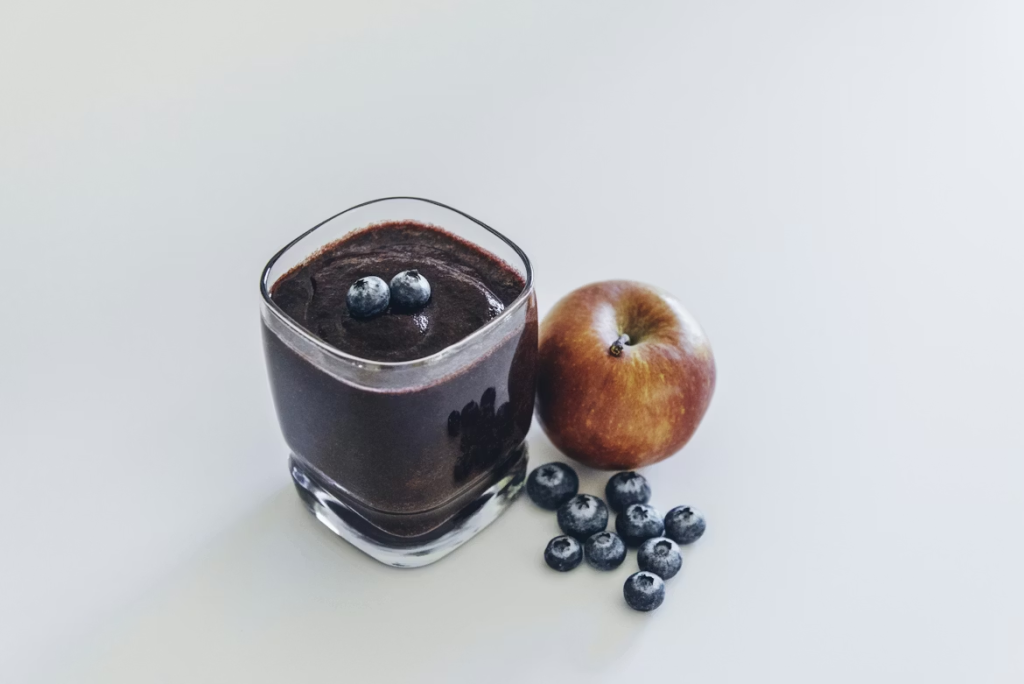
The most studied food for constipation, with more RCT evidence than any other. Prunes work through two mechanisms: sorbitol (a sugar alcohol that draws water into the colon osmotically) and chlorogenic acids (which directly stimulate colonic peristalsis). Both act independently of fiber, which is why prune juice, which has less fiber than whole prunes but more concentrated sorbitol, is often faster acting.
- Dose: 50g of whole prunes (5-6 prunes) or 120-240ml prune juice per day. Start at the lower end, sorbitol can cause cramping if you overdo it.
- Speed: 4-12 hours for most adults.
- Tip: warm prune juice is more effective than cold. Mixing a tablespoon of olive oil into prune juice adds a lubricating effect that amplifies the result.
Kiwi Fruit: The Most Underrated Option
Kiwi has more RCT evidence for constipation than most people realize. Two head-to-head randomized trials have compared kiwi to prunes: kiwi performed comparably for stool frequency and consistency, with better tolerability and less bloating. The key mechanism is actinidin, a proteolytic enzyme unique to kiwi that improves gastric emptying and gut motility. Combined with kiwi soluble fiber, the effect on bowel frequency is clinically meaningful and typically noticed within 2-4 days.
- Dose: 2 kiwi fruit per day. The skin contains higher fiber concentrations and is edible.
- Speed: consistent improvement within 2-4 days; some people notice the effect within 24 hours.
Apples and Pears
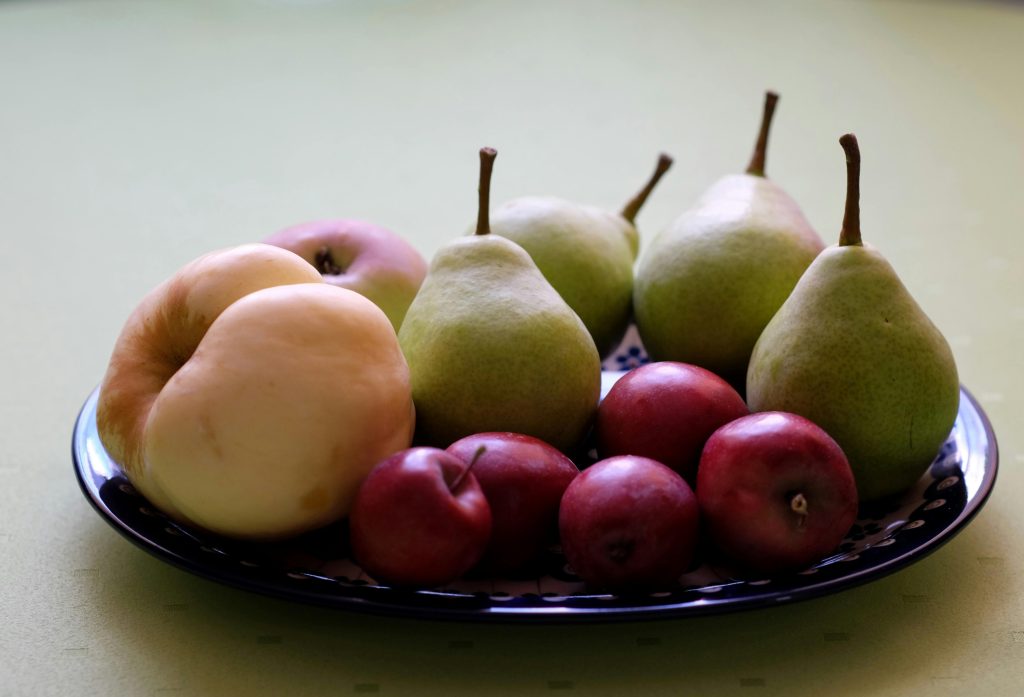
Both contain pectin (a soluble fiber that gels and softens stool) and sorbitol, the same osmotic compound that makes prunes effective at lower concentrations. Eating the skin matters: the skin of an apple provides insoluble fiber that adds bulk; the flesh provides the pectin and sorbitol. Raw is more effective than cooked because heat degrades pectin.
- Dose: 1-2 whole fruits per day, with skin.
- Nuance: unripe (green) apples contain more tannins and resistant starch, which can have a binding effect. Choose ripe fruit.
Coffee
The most reliably fast-acting option for most people. Caffeine stimulates the secretion of gastrin and cholecystokinin, hormones that accelerate colonic motility. Coffee also triggers the gastrocolic reflex, the neurological mechanism by which eating or drinking prompts the colon to prepare to empty. Decaf coffee also triggers this reflex, demonstrating that non-caffeine compounds in coffee contribute to the effect.
- Speed: 20-30 minutes after drinking for most adults.
- Caveat: coffee is mildly dehydrating. Always drink a glass of water alongside it, or the dehydrating effect can counteract the motility benefit.
Oatmeal
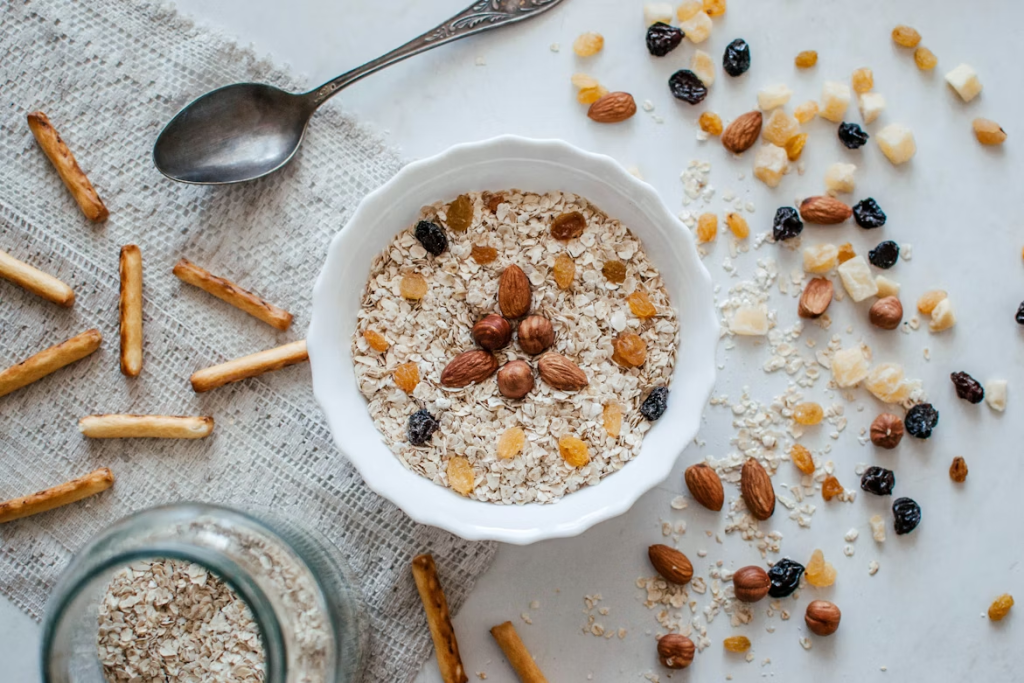
The gold standard for daily regularity rather than fast relief. Oat beta-glucan, the primary soluble fiber in oats, forms a viscous gel, adds moisture to stool, and acts as a prebiotic, feeding beneficial bacteria in the gut. A healthy gut microbiome is directly associated with better bowel motility and regularity; oatmeal supports this through both the fiber and prebiotic effects simultaneously.
- Dose: 40-60g dry oats (1 cup cooked) per day.
- Enhancement: add a tablespoon of ground flaxseed or chia seeds to breakfast oats for additional soluble fiber.
Beans and Legumes
Beans provide both soluble and insoluble fiber in meaningful proportions in a single serving, a combination found in relatively few foods. Black beans, lentils, chickpeas, and kidney beans all qualify. A 100g serving of cooked black beans provides 8-10g of combined fiber.
- Dose: 100-150g (roughly half a cup) of cooked beans per day.
- Practical note: introduce gradually if you do not currently eat beans regularly. The gut microbiome adapts over 2-3 weeks; starting with too much too fast causes gas and bloating that makes the experience discouraging.
Chia Seeds and Ground Flaxseed
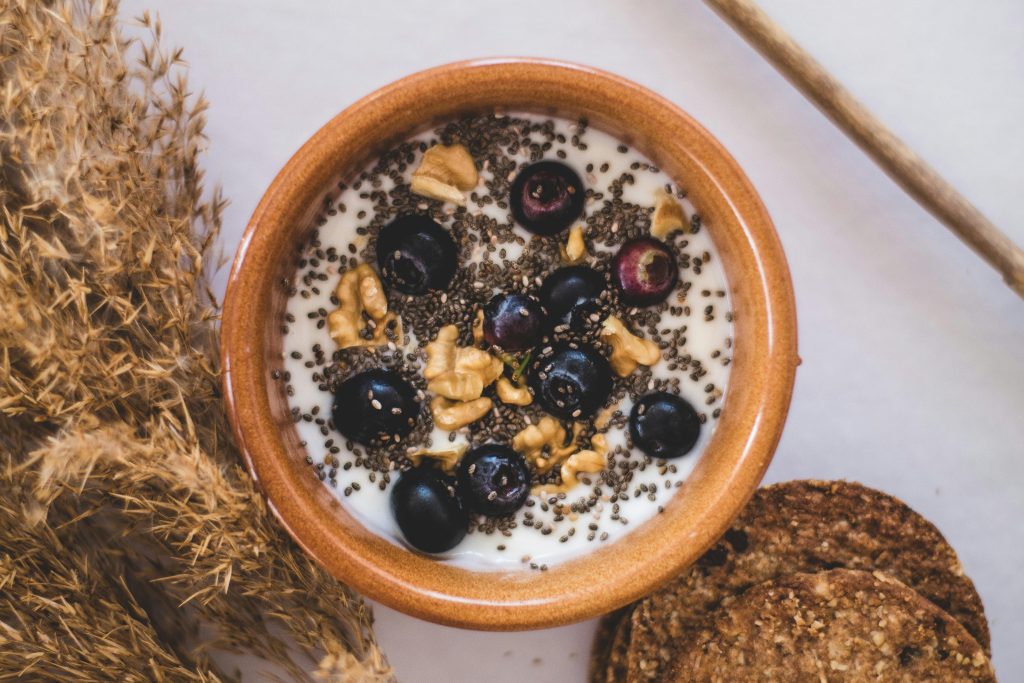
Chia seeds absorb up to 12 times their weight in water, forming a thick gel that softens stool significantly. Ground flaxseed (not whole, the outer shell resists digestion) provides soluble fiber plus alpha-linolenic acid, an omega-3 with mild anti-inflammatory effects on the gut lining. Both are straightforward to add to oatmeal, yogurt, or smoothies.
- Dose: 1-2 tablespoons per day.
- Important: both, especially chia, must be taken with adequate water. Without sufficient fluid, chia can actually worsen constipation by expanding in the wrong place.
Leafy Greens and Broccoli
Spinach, kale, and broccoli contribute insoluble fiber (speeds transit) alongside magnesium, a mineral that relaxes intestinal muscle and draws water into the colon. Broccoli specifically contains sulforaphane, a compound with evidence for protecting the gut lining and supporting beneficial gut microbiome composition through antioxidant mechanisms. The B vitamins abundant in dark leafy greens also support the cellular energy metabolism that drives intestinal peristalsis.
- Dose: 2-3 servings of vegetables per day as a consistent daily habit.
Figs
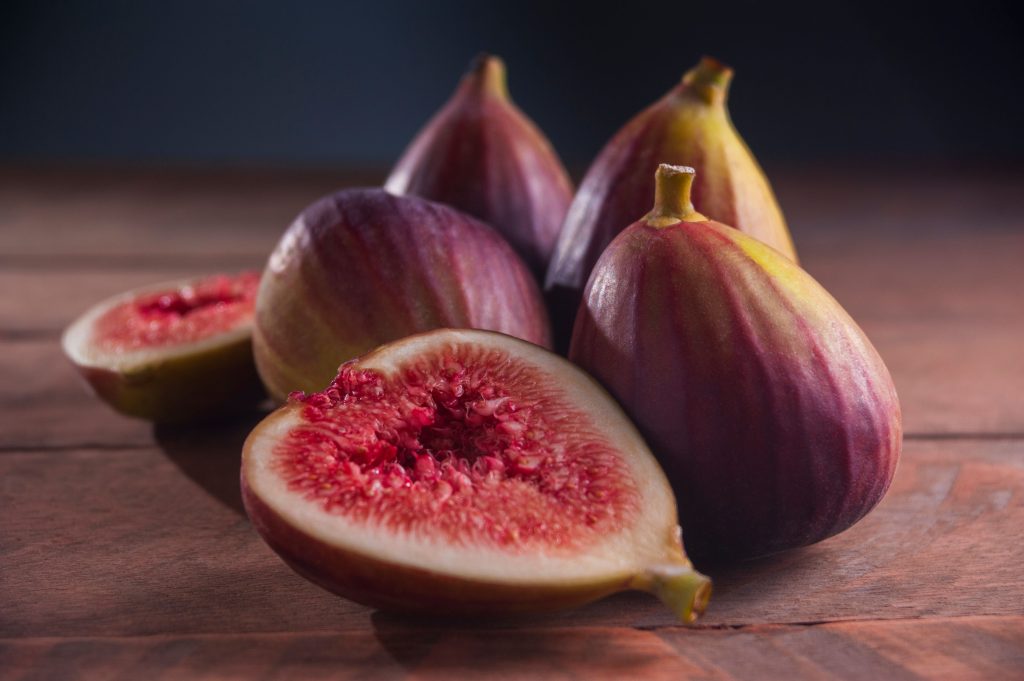
Figs work much like prunes: they pair sorbitol, which pulls water into the colon, with a high content of both soluble and insoluble fiber. Dried figs are more concentrated than fresh, and their tiny seeds add a mild mechanical stimulus to the gut wall. They sit between the fast osmotic options and the slower fiber foods, often producing a result within 8-12 hours.
- Dose: 3-5 dried figs, or 4-5 fresh figs, per day.
- Tip: soak dried figs in warm water for a few hours; the rehydrated fruit and the soaking water together work better than dry figs alone.
Yogurt and Kefir
Fermented dairy with live cultures supports regularity through a different route than fiber: it adds beneficial bacteria that improve gut microbiome balance and, in turn, bowel motility. Kefir, a probiotic drink, is more potent than yogurt and carries a broader range of strains. This is the one dairy exception for people who otherwise find dairy constipating, since the live cultures offset the casein effect.
- Dose: 1 serving per day (roughly 150-200 g yogurt or 200 ml kefir), plain and unsweetened.
- Note: choose products labelled with live or active cultures; heat-treated versions lose the benefit.
How Foods Help With Constipation: The Four Mechanisms
With the foods covered, here is why they work. Each food acts through one or more of four mechanisms, and matching the mechanism to your situation is what makes the difference between relief and frustration.
| Mechanism | How it works | Best for | Top food sources |
| Soluble fiber | Absorbs water, forms a gel that softens stool | Hard, dry, difficult-to-pass stool | Oats, apples, chia, psyllium, pears |
| Insoluble fiber | Adds bulk, speeds up colonic transit | Infrequent, slow-moving stools | Wheat bran, vegetables, beans, nuts |
| Osmotic effect | Draws water into the colon to soften stool | Both types; acts faster than fiber | Prunes, figs, kiwi |
| Motility stimulation | Triggers gastrocolic reflex / peristalsis | Sluggish colon; acute relief | Coffee, warm water |
Soluble vs. Insoluble Fiber: The Most Misunderstood Distinction
Fiber is frequently given as a single catch-all recommendation for constipation, but the two types work very differently. Soluble fiber, found in oats, apples, chia seeds, and psyllium, dissolves in water and forms a gel that softens stool, making it easier to pass. This is the type to prioritize when stools are hard and difficult to pass, even if they arrive on a normal schedule.
Insoluble fiber, found in wheat bran, vegetables, nuts, and the skins of fruits, does not dissolve. It adds physical bulk to stool and speeds up transit by stimulating intestinal wall movement. This is what helps when the problem is infrequent, slow-moving stools rather than hardness. Many high-fiber, low-carb foods deliver both types at once.
Most constipation benefits from both types, but if you keep eating high-insoluble-fiber foods and not drinking enough water alongside them, you can actually worsen hard, dry stool. Soluble fiber plus adequate fluids is the combination that softens; insoluble fiber without fluids can compact further.
Foods to Avoid When Constipated
Constipation has both a “what to add” and a “what to remove” side. The following reliably make constipation worse:
- Red meat: high protein, high fat, zero fiber. Slows gut transit significantly. Not a problem in moderate amounts, but replacing it as a primary protein source with legumes and fish makes a measurable difference.
- Refined grains: white bread, white rice, pasta, and pastries are stripped of their bran and fiber. Switching to whole grain equivalents, or incorporating lower-glycaemic carbohydrate options, is one of the most impactful long-term dietary changes for regularity.
- Processed foods: typically low fiber, high sodium (dehydrating), and high in the types of fat that slow motility. Ultra-processed snacks are particularly problematic because they combine all three.
- Unripe bananas: contain more resistant starch and tannins than ripe bananas. These have an astringent, stool-binding effect. Ripe bananas (yellow with brown spots) have a different fiber composition and are generally fine.
- Alcohol: directly dehydrating through its suppression of antidiuretic hormone. Dehydration is one of the most common causes of hard, difficult-to-pass stool. Heavy alcohol consumption predictably worsens constipation the following day.
- Dairy (for sensitive individuals): casein protein in full-fat dairy can slow intestinal motility in people with subclinical lactose sensitivity, which is more common than full lactose intolerance. Yogurt with live cultures is typically fine and may actually help through its probiotic content.
Building a Constipation-Relieving Diet
For acute constipation, if you need relief today, coffee in the morning plus warm water on waking, followed by 120-240ml prune juice if needed, addresses the immediate situation through motility stimulation and osmotic mechanisms.
For chronic constipation, the ongoing pattern of infrequent or difficult stools the dietary framework is: daily oatmeal with chia or flaxseed, at least 2-3 servings of vegetables, 1-2 whole fruits with skin, beans at least 3-4 times per week, 2 liters of water daily minimum, and reducing refined grains and processed food. Most people who follow this framework consistently see meaningful improvement within 2-3 weeks.
| One important note: adding fiber without increasing fluid intake can worsen constipation. Every additional gram of daily fiber requires approximately 30-50ml of additional water to work as intended. Increase both at the same time. |
Frequently Asked Questions
What foods make you poop right away?
Coffee is the fastest option for most people, working within 20-30 minutes through the gastrocolic reflex and gastrin secretion. Warm water on waking produces a similar but milder effect within 20-60 minutes. Magnesium citrate works within 1-6 hours through an osmotic mechanism.
How much prune juice should I drink for constipation?
120-240ml (half to one cup) per day, warmed. Start with 120ml; sorbitol can cause cramping at higher doses if you are not accustomed to it. Most people see results within 4-12 hours.
Does drinking warm water help you poop?
Yes. 240-480ml of warm water first thing in the morning, before food or coffee, triggers the gastrocolic reflex through both temperature and volume. It is one of the most consistently effective non-dietary interventions and costs nothing. Adding lemon water provides a small additional digestive stimulus and vitamin C, though the evidence for warm water alone is stronger.
Do magnesium drinks help with constipation?
Magnesium draws water into the colon through osmosis, softening stool and stimulating peristalsis. Magnesium citrate is the most bioavailable and most studied form for constipation and works within 1-6 hours; gentler forms differ in absorption and effect, so it helps to compare magnesium forms before choosing one. Dietary magnesium from leafy greens, nuts, and seeds provides the same mechanism at lower daily doses.
