


Key Takeaways
- A probiotic drink is a beverage that contains live, beneficial microorganisms designed to support the balance of bacteria in your gut.
- The most well-established probiotic drinks — kefir, kombucha, and fermented dairy beverages — deliver their benefits through natural fermentation, while newer options like probiotic sodas and waters have added bacteria whose survival and effectiveness are less well-studied.
- When choosing a probiotic drink, look for live and active cultures, low added sugar, and specific named strains like Lactobacillus or Bifidobacterium rather than relying on general marketing claims.
Walk through any grocery store in 2026 and you’ll find an entire cooler section dedicated to drinks that promise to support your gut. Kombucha, kefir, probiotic sodas, sparkling waters with added cultures — the options have multiplied rapidly over the past few years, and the marketing language on the labels can make it hard to tell which products deliver real benefits and which are mostly branding.
At the center of all of it is a simple concept: what is a probiotic drink, and does it actually do what it claims? The answer depends on the type of beverage, the strains of bacteria it contains, how it was made, and whether those microorganisms are still alive by the time the product reaches your glass. This article breaks down the science behind probiotic drinks, the most common types available, the health benefits supported by research, and how to evaluate which products are worth your money.
What Is a Probiotic Drink?
A probiotic drink is any beverage that contains live microorganisms — typically beneficial bacteria or yeasts — that are intended to support the health of the gut microbiome when consumed. The gut microbiome is a complex community of trillions of microorganisms in the gastrointestinal tract that play a central role in digestion, nutrient absorption, immune function, and mood regulation through the gut-brain axis. When this community is disrupted by stress, poor diet, illness, or antibiotics, probiotic drinks can help introduce or replenish beneficial bacteria and restore balance.
A review in Current Opinion in Biotechnology noted that fermented beverages provide health benefits well beyond the starting food materials, with many containing living microorganisms genetically similar to strains used as clinical probiotics. Not all probiotic drinks are created equal, though. Some deliver bacteria through natural fermentation, while others have live cultures added after production. Naturally fermented beverages tend to contain a wider diversity of strains and supporting compounds like organic acids and short-chain fatty acids, which work alongside the probiotics to support gut health.
What Are the Most Common Types of Probiotic Drinks?
Probiotic drinks come in several forms, each with a different production process, flavor profile, and bacterial composition. Here are the most widely available types.
Kefir
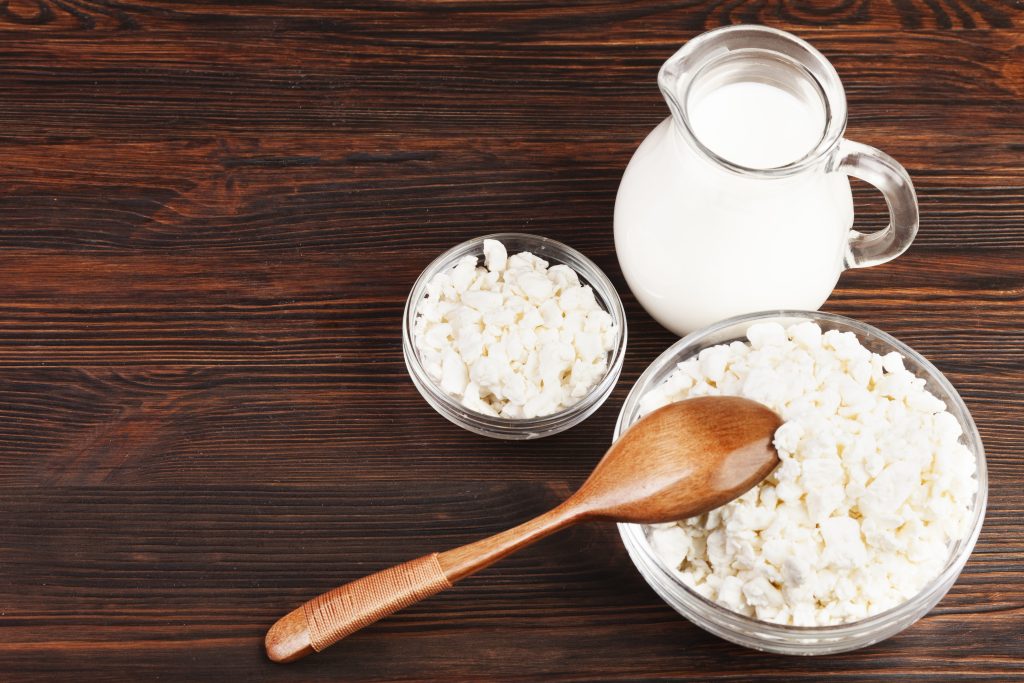
Kefir is a fermented dairy drink made by adding kefir grains — a symbiotic culture of bacteria and yeast — to milk. The result is a tangy, slightly effervescent beverage that contains a broad range of probiotic strains, including species of Lactobacillus, Bifidobacterium, and Saccharomyces. Kefir is one of the most studied probiotic drinks and is often considered a more potent source of probiotics than yogurt because it contains a greater diversity of microbial strains. A clinical review found that daily kefir intake reduced harmful bacteria by 40% and improved gut barrier integrity in patients with irritable bowel syndrome. Water kefir, made with sugar water or coconut water instead of dairy, is a popular dairy-free alternative.
Kombucha
Kombucha is a fermented tea made by adding a SCOBY (Symbiotic Culture of Bacteria and Yeast) to sweetened black or green tea. The fermentation process, which typically takes one to two weeks, produces a fizzy, slightly sour beverage containing live bacteria, organic acids, B vitamins, and antioxidants. Kombucha has been consumed for centuries and is one of the most popular commercially available probiotic drinks. However, the specific strains and concentrations of probiotics in kombucha can vary widely between brands and batches, making it less predictable than kefir in terms of the exact probiotic content delivered per serving.
Fermented Dairy Drinks (Yogurt-Based)
Yogurt-based probiotic drinks, such as drinkable yogurt and cultured milk beverages (including products like Yakult), contain targeted probiotic strains — often Lactobacillus casei, Lactobacillus acidophilus, or Bifidobacterium lactis. These products tend to have more standardized probiotic counts per serving than naturally fermented options, making them a reliable choice for people seeking a consistent daily dose. Many are also enriched with calcium, vitamin D, and protein.
Probiotic Sodas

A newer category, probiotic sodas are carbonated beverages with live bacteria added during or after production. Brands like Poppi, Olipop, and Culture Pop have gained popularity as alternatives to traditional soft drinks. While these sodas are generally lower in sugar and calories than conventional sodas, it is unclear how many of the added bacteria survive the acidic environment of the stomach. According to the Mayo Clinic, probiotic sodas may not contain enough gut-healthy microorganisms per serving to be meaningfully beneficial, though they can serve as a healthier swap if you’re trying to reduce your soda or alcohol intake.
Probiotic Waters and Juices
Probiotic waters and fortified juices are among the lightest probiotic drink options. They typically contain added strains rather than fermented cultures, and they appeal to people who prefer a mild-flavored, dairy-free option. Like probiotic sodas, the effectiveness of these drinks depends on whether the added bacteria survive processing, shelf storage, and stomach acid in sufficient numbers to reach the gut.
What Are the Benefits of Probiotic Drinks?
The potential benefits of probiotic drinks are tied to the broader science of probiotics and the gut microbiome. A review on probiotic functions found that dietary intake of probiotics supports outcomes ranging from digestive regulation to immune modulation. Here are the most well-supported benefits.
Digestive health. Probiotics help break down food, support regular bowel movements, and reduce symptoms like bloating, gas, and constipation. For people recovering from antibiotics, probiotic drinks can help replenish the microbiome more quickly.
Immune support. An estimated 70% of the immune system is housed in the gut. Probiotic drinks support the body’s mucosal immune system, and regular consumption has been associated with reduced severity of seasonal allergies and respiratory infections.
Gut-brain connection. Emerging research on the gut-brain axis suggests that probiotics may help regulate cortisol levels and support serotonin production — roughly 90% of which occurs in the gut. The connection between gut health and mental well-being is one of the most actively studied areas in microbiology.
Nutrient absorption. Probiotic drinks can improve how efficiently the body absorbs vitamins and minerals from food. The fermentation process itself also enhances the bioavailability of nutrients like B vitamins, calcium, and iron.
How to Choose a Probiotic Drink

Not every product labeled “probiotic” delivers meaningful health benefits. Here are the key factors to consider when evaluating what are probiotic drinks worth buying.
Look for live and active cultures. The label should explicitly state the product contains live cultures. Terms like “made with probiotics” can be misleading if the bacteria didn’t survive processing.
Check for named strains. Products listing specific strains — such as Lactobacillus acidophilus or Bifidobacterium lactis — are more trustworthy than those using vague terms like “probiotic blend.”
Watch the sugar content. Some probiotic drinks contain significant added sugar, which can negatively affect the gut microbiome and offset the benefits. Aim for less than 5–8 grams per serving.
Consider refrigeration. Many live-culture drinks require refrigeration. Shelf-stable products should use spore-forming strains that survive at room temperature.
Start slowly. Begin with a small serving and increase gradually. Some people experience mild bloating or gas as the gut adjusts.
Conclusion
So, what’s a probiotic drink in practical terms? It’s a beverage — fermented or fortified — that delivers live, beneficial bacteria to your digestive system. The best options are those produced through natural fermentation, like kefir and kombucha, which provide a wide diversity of microbial strains alongside organic acids and other compounds that support gut health. Newer products like probiotic sodas and waters can serve as lighter alternatives, but the evidence for their effectiveness is less established.
The key is to look beyond the label. A product that names specific bacterial strains, contains live cultures, and keeps added sugar low is far more likely to deliver real benefits than one that simply uses the word “probiotic” as a marketing term. If you’re dealing with specific digestive concerns or are recovering from antibiotics, speaking with a healthcare provider can help you choose the right product and strain for your situation.
Frequently Asked Questions
How often should you drink probiotic drinks?
Most research and product recommendations suggest daily or near-daily consumption for sustained benefits, since probiotics do not permanently colonize the gut. A single serving of kefir, kombucha, or a yogurt-based drink per day is a common and well-tolerated approach.
What is the difference between probiotics and prebiotics?
Probiotics are live microorganisms that add beneficial bacteria to your gut. Prebiotics are non-digestible fibers that feed the bacteria already living there. Some products contain both (known as synbiotics), and both play important roles in maintaining a healthy microbiome.
Are probiotic sodas as effective as kefir or kombucha?
Generally, no. Probiotic sodas contain added bacteria rather than naturally fermented cultures, and it is unclear how many of those bacteria survive stomach acid in meaningful numbers. Kefir and kombucha, which are produced through extended fermentation, tend to contain a wider diversity of strains and higher probiotic counts per serving.
