

Key Takeaways
- Hormone balance supplements include vitamins, minerals, herbs, and adaptogens that support the endocrine system’s natural hormone production and regulation
- Common supplements like vitamin D, magnesium, and omega-3s address nutritional deficiencies that can contribute to hormonal imbalances
- Supplements work best alongside lifestyle changes and should be used under professional guidance, as hormonal issues often require comprehensive evaluation
Hormonal imbalances affect millions of women, creating symptoms that range from frustrating to debilitating. Irregular periods, mood swings, fatigue, weight gain, and sleep problems can all stem from hormones that aren’t functioning optimally. When conventional treatments feel too aggressive or you’re seeking natural approaches to support your hormonal health, supplements often emerge as an appealing option.
The supplement market offers countless products claiming to “balance hormones,” “support women’s health,” or “regulate your cycle.” Sorting through these options to find supplements backed by science rather than just marketing can feel overwhelming. While some supplements show genuine promise for supporting hormonal health, others lack evidence or may even cause harm when used inappropriately.
Understanding which supplements are truly beneficial requires looking beyond marketing claims and recognizing that many nutrients support not only hormonal balance but overall health, including areas like metabolism, prostate function, and blood sugar regulation. Common options with supportive evidence include omega-3 fatty acids, magnesium, vitamin D, adaptogens like ashwagandha, and herbal remedies such as maca root or chasteberry, all of which may help the body maintain balance more naturally. For more detailed, research-based insights, brands like Ben’s Natural Health and other natural brands provide guidance on choosing supplements that align with both hormonal health and broader wellness goals, helping you make informed and sustainable decisions.
Understanding which hormone balance supplements have research support, how they work in your body, and when they’re appropriate helps you make informed decisions about your health. This guide covers the most studied supplements for hormonal balance, their mechanisms of action, and important considerations for safe and effective use.
What Are Hormone Balance Supplements?
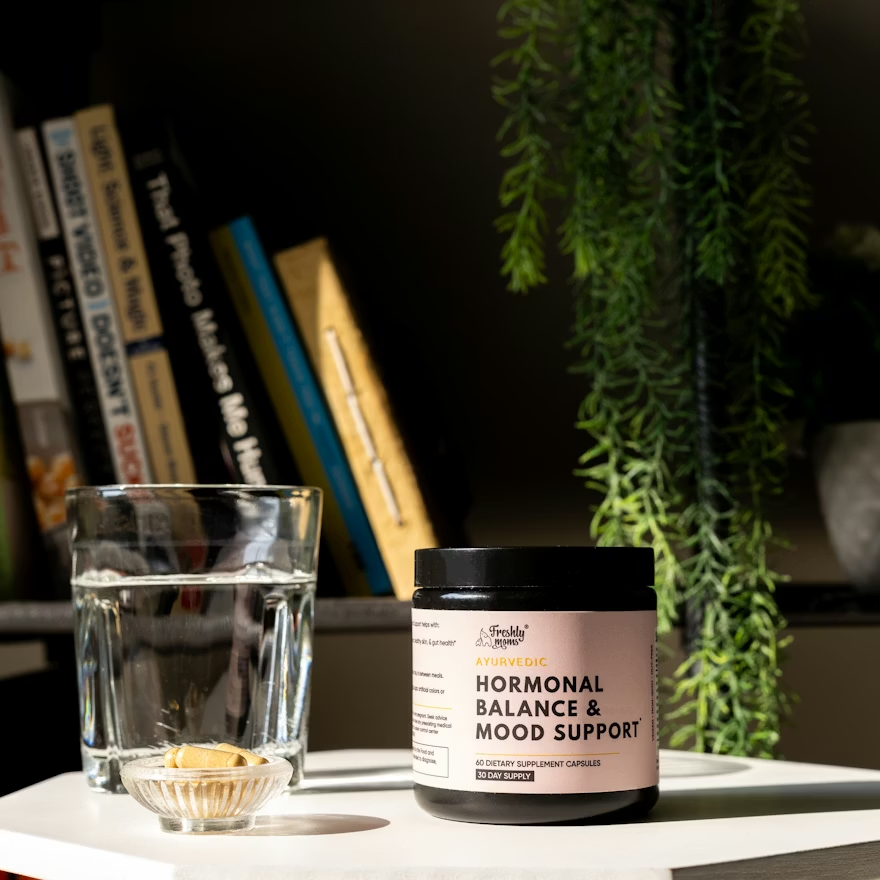
Hormone balance supplements are dietary supplements designed to support the endocrine system’s production, regulation, or metabolism of hormones. These products range from single-ingredient formulations to complex blends targeting various aspects of hormonal health.
The term “hormone balance” in the supplement context refers to supporting optimal hormone levels and function rather than dramatically altering hormone production. Unlike prescription hormone replacement therapy, which introduces synthetic or bioidentical hormones into your body, supplements typically provide nutrients or botanical compounds that help your body regulate its own hormone production naturally.
Supplements work through several mechanisms to support hormonal health. Some provide essential nutrients that serve as building blocks for hormone production—for instance, cholesterol and certain vitamins are necessary for synthesizing sex hormones. Others help regulate the enzymes that convert one hormone into another or assist with clearing excess hormones from the body. Certain supplements reduce inflammation or oxidative stress that can disrupt normal endocrine function.
Categories of hormone-supporting supplements include vitamins and minerals (like vitamin D, magnesium, and zinc) that address nutritional deficiencies affecting hormone production; herbal supplements and botanicals (such as vitex, maca, or black cohosh) that have been used traditionally for women’s health; adaptogens (including ashwagandha and rhodiola) that help the body respond to stress and support adrenal function; fatty acids (particularly omega-3s) that reduce inflammation and support cell membrane health; and amino acids or compounds (like NAC or inositol) that assist with specific metabolic processes affecting hormones.
It’s crucial to understand that supplements are not regulated like medications. The FDA doesn’t verify supplement claims before products reach the market, meaning quality, purity, and actual ingredient content can vary significantly between brands. This regulatory gap makes choosing reputable manufacturers and consulting healthcare providers particularly important.
Common Vitamins and Minerals for Hormone Balance
Certain vitamins and minerals play fundamental roles in hormone production and regulation, making them the foundation of any supplement approach to hormonal health.
Vitamin D functions more like a hormone than a traditional vitamin, influencing hundreds of genes including those involved in reproductive hormone regulation. Low vitamin D levels correlate with menstrual irregularities, PCOS, and fertility challenges. Most people need 1,000-4,000 IU daily, though some require higher doses to achieve optimal blood levels. Testing your vitamin D levels before supplementing helps determine appropriate dosing.
Magnesium participates in over 300 enzymatic reactions, including those that produce and metabolize hormones. This mineral helps regulate cortisol (the stress hormone), supports progesterone production, and aids insulin sensitivity—all crucial for hormonal balance. Magnesium deficiency is common, affecting up to 50% of Americans. Supplementing with 200-400mg daily of magnesium glycinate or citrate can support hormonal health, particularly for women with PMS, anxiety, or sleep issues.
B vitamins, particularly B6, folate (B9), and B12, support hormone metabolism and help your liver break down and eliminate excess estrogen. B6 specifically assists with neurotransmitter production and has shown benefits for PMS symptoms. A high-quality B-complex supplement provides these vitamins in balanced ratios, typically supporting both hormonal and overall health.
Zinc plays essential roles in reproductive hormone production, immune function, and insulin regulation. This mineral is particularly important for women with PCOS or those experiencing irregular periods. Zinc supplementation (15-30mg daily) may improve ovulation and cycle regularity, though excessive amounts can interfere with copper absorption.
Omega-3 fatty acids (EPA and DHA) reduce inflammation throughout the body, including inflammation that can disrupt hormone production and signaling. These essential fats support cell membrane health, which affects how hormones communicate with cells. Fish oil supplements providing 1,000-2,000mg combined EPA and DHA daily can support hormonal health, particularly for women with inflammatory conditions or irregular cycles.
| Supplement | Primary Benefit | Typical Dose | Best For |
|---|---|---|---|
| Vitamin D | Hormone production | 1,000-4,000 IU | Most women, especially those deficient |
| Magnesium | Stress response, progesterone | 200-400mg | PMS, anxiety, sleep issues |
| B-complex | Hormone metabolism | Per label | Estrogen metabolism, energy |
| Zinc | Reproductive hormones | 15-30mg | PCOS, irregular cycles |
| Omega-3s | Anti-inflammatory | 1,000-2,000mg | Inflammation, cycle regularity |
Herbal Supplements for Women’s Hormonal Health
Traditional herbal medicine offers numerous botanicals used historically for women’s reproductive health, some of which have modern research support.
Vitex (chasteberry) is one of the most studied herbs for women’s hormonal health. It works primarily by influencing the pituitary gland to regulate prolactin and support progesterone production. Research shows vitex can help with PMS symptoms, irregular cycles, and luteal phase defects. Typical doses range from 400-1,000mg daily, taken consistently for at least three months to see effects.
Maca root, a Peruvian plant, has adaptogenic properties that may help balance hormones without containing hormones itself. Some studies suggest maca can reduce menopause symptoms, improve mood and energy, and support libido. The typical dose is 1,500-3,000mg daily, though response varies considerably between individuals.
Black cohosh has been used traditionally for menopause symptoms, particularly hot flashes and mood changes. While research results are mixed, some studies show modest benefits for menopausal women. The typical dose is 40-80mg of standardized extract daily. However, black cohosh should be used cautiously and avoided by women with liver conditions.
Evening primrose oil contains gamma-linolenic acid (GLA), an omega-6 fatty acid that may help with PMS symptoms, particularly breast tenderness. While traditionally popular, research support is limited, and results vary. Typical doses range from 500-3,000mg daily.
Dong quai, used in traditional Chinese medicine, is sometimes called “female ginseng” for its traditional use in women’s health. However, scientific evidence for its effectiveness is limited, and it can interact with blood-thinning medications.
Red clover contains phytoestrogens—plant compounds with mild estrogen-like effects. Some studies suggest benefits for menopause symptoms, though evidence is inconsistent. The typical dose is 40-80mg of standardized extract daily.
Adaptogenic Herbs for Hormone Support
Adaptogens are herbs that help the body adapt to stress and maintain homeostasis, indirectly supporting hormonal balance by reducing the impact of chronic stress on the endocrine system.
Ashwagandha is one of the most researched adaptogens, with studies showing it can lower cortisol levels, reduce stress and anxiety, and improve thyroid function in some cases. For women with stress-related hormonal imbalances or thyroid issues, ashwagandha (300-600mg standardized extract daily) may provide support. However, it can interact with thyroid medications and isn’t appropriate for everyone.
Rhodiola rosea helps the body respond to physical and emotional stress while potentially improving energy and mood. Some research suggests rhodiola can support healthy cortisol patterns and reduce fatigue. Typical doses range from 200-600mg daily of standardized extract.
Holy basil (tulsi) is traditionally used in Ayurvedic medicine as a stress-reducing adaptogen. While research is limited, some studies suggest it may help lower cortisol and support metabolic health. Typical doses range from 300-600mg daily or as tea.
Adaptogen use requires caution because these herbs can have powerful effects on multiple body systems. They’re generally best used short-term (several weeks to a few months) rather than indefinitely, and they work best when combined with stress-reduction practices rather than as a substitute for addressing chronic stress.
Supplements for Specific Hormonal Conditions
Certain supplements show particular promise for specific hormonal imbalances or conditions.
For PCOS (polycystic ovary syndrome), inositol—particularly myo-inositol combined with d-chiro-inositol—has strong research support for improving insulin sensitivity, reducing androgens, and supporting ovulation. Typical doses are 2,000-4,000mg of myo-inositol daily, often combined with 50-100mg of d-chiro-inositol. N-acetylcysteine (NAC) at 600-1,800mg daily also shows promise for PCOS by improving insulin sensitivity and reducing oxidative stress.
For thyroid support, selenium (200mcg daily) is essential for thyroid hormone conversion and may benefit people with Hashimoto’s thyroiditis. Iodine is necessary for thyroid hormone production, but supplementation should be approached cautiously and only under professional guidance, as excess iodine can worsen certain thyroid conditions.
For menopause symptoms, vitamin E (400-800 IU daily) may help with hot flashes in some women. Calcium and vitamin D support bone health during and after menopause when estrogen decline increases osteoporosis risk.
For PMS and PMDD, calcium supplementation (1,000-1,200mg daily) has research support for reducing physical and emotional PMS symptoms. Magnesium and vitamin B6 also show benefits for PMS-related mood changes and physical discomfort.
Safety Considerations and Potential Risks
While supplements seem “natural” and therefore safe, they carry real risks and require careful consideration.
Quality and purity concerns are significant in the supplement industry. Products may contain contaminants, lack the stated ingredients, or contain different amounts than labeled. Choosing supplements that are third-party tested by organizations like USP, NSF, or ConsumerLab helps ensure quality.
Drug interactions are common with herbal supplements. St. John’s wort, for instance, can reduce the effectiveness of birth control pills and numerous other medications. Many herbs affect blood clotting, liver enzyme activity, or hormone levels in ways that interact with prescription medications.
Hormonal supplements can have unintended effects. Phytoestrogens might worsen estrogen-dependent conditions in some women. Herbs affecting prolactin or progesterone can impact menstrual cycles or interfere with fertility treatments. Some supplements affect thyroid function and shouldn’t be used with thyroid medications without medical supervision.
Pre-existing conditions require extra caution. Women with hormone-sensitive cancers should avoid many herbal supplements. Those with liver or kidney disease need to be particularly careful, as many supplements are metabolized by these organs. Autoimmune conditions may be affected by immune-modulating herbs.
Pregnancy and breastfeeding present additional concerns. Many herbs lack safety data for pregnancy, and some can affect milk production or pass through breast milk to infants. The safest approach is avoiding most herbal supplements during pregnancy and lactation unless specifically recommended by your healthcare provider.
How to Choose Quality Hormone Balance Supplements
Selecting effective, safe supplements requires knowing what to look for beyond marketing claims.
Look for third-party testing certifications from USP (United States Pharmacopeia), NSF International, or ConsumerLab. These organizations independently verify that products contain what they claim and are free from contaminants.
Check for standardized extracts when choosing herbal supplements. Standardization ensures consistent levels of active compounds, making effectiveness and dosing more predictable. For example, vitex should be standardized to specific percentages of agnuside, and ashwagandha to withanolides.
Research the manufacturer’s reputation by checking how long they’ve been in business, whether they follow Good Manufacturing Practices (GMP), and if they have transparent quality control processes. Reputable companies provide certificates of analysis upon request.
Avoid proprietary blends that don’t list individual ingredient amounts, making it impossible to know if you’re getting therapeutic doses. Look for supplements listing each ingredient and its specific amount.
Be wary of excessive health claims. If a supplement promises to cure diseases, deliver miraculous results, or work for everyone, these red flags suggest questionable marketing over scientific validity.
Start with single-ingredient supplements rather than complex formulas when beginning supplementation. This approach helps you identify what works and what causes side effects, providing more control over your supplementation strategy.
When to Consult a Healthcare Provider
Professional guidance is essential for addressing hormonal imbalances effectively and safely.
Before starting supplements, consider consulting a healthcare provider who can order blood tests to identify specific deficiencies or imbalances. Testing hormone levels, vitamin D, iron, thyroid function, and other markers provides concrete data about what your body actually needs rather than guessing based on symptoms.
If symptoms persist despite lifestyle changes and supplementation, professional evaluation can identify underlying conditions requiring medical treatment. Conditions like PCOS, thyroid disorders, or endometriosis benefit from comprehensive medical management that supplements alone cannot provide.
Before major life changes like attempting pregnancy, schedule a preconception visit to discuss supplement safety and optimize your health before conceiving. Some supplements beneficial for general hormonal health may not be appropriate during pregnancy.
If you’re taking medications, particularly hormonal contraceptives, thyroid medications, blood thinners, or any prescription affecting hormones, professional guidance about supplement interactions is crucial.
Integrative or functional medicine practitioners often have extensive knowledge about supplement protocols for hormonal health and can provide more comprehensive guidance than practitioners focused solely on conventional treatments.
Conclusion
Hormone balance supplements offer potential support for women experiencing hormonal imbalances, particularly when nutritional deficiencies or specific conditions like PCOS are present. Evidence-based options like vitamin D, magnesium, omega-3 fatty acids, and inositol can complement lifestyle approaches to hormonal health when used appropriately.
However, supplements are tools, not magic solutions. They work best as part of a comprehensive approach that includes adequate sleep, stress management, regular exercise, and a nutrient-dense diet. The hormonal issues many women face stem from multiple factors, and addressing these requires more than supplements alone.
Quality matters enormously in the supplement world. Choosing third-party tested products from reputable manufacturers and working with knowledgeable healthcare providers helps ensure safety and effectiveness. Avoid the temptation to self-prescribe multiple supplements without professional guidance, as interactions and unintended effects are possible.
Take action today by scheduling an appointment with a healthcare provider who can assess your hormonal health comprehensively. Blood tests identifying specific deficiencies or imbalances provide the foundation for targeted supplementation that addresses your individual needs rather than a one-size-fits-all approach. With proper guidance, supplements can be valuable tools supporting your journey toward hormonal balance.
Frequently Asked Questions
How long does it take for hormone balance supplements to work?
Most hormone balance supplements require 6-12 weeks of consistent use before you notice effects, as hormones regulate slowly and change gradually. Some nutrients like magnesium may improve sleep or PMS symptoms within a few weeks, while herbs like vitex typically need 3-6 months for full benefits. Be patient and consistent rather than expecting immediate results.
Can you take hormone balance supplements with birth control?
Some supplements can interact with hormonal contraceptives, potentially reducing their effectiveness or causing side effects. St. John’s wort notably decreases birth control effectiveness. Before combining any supplements with hormonal contraceptives, consult your healthcare provider to ensure safety and avoid interactions that could compromise contraception or cause hormonal disruption.
Are natural hormone balance supplements safer than hormone therapy?
“Natural” doesn’t automatically mean safer. While supplements generally have milder effects than prescription hormone therapy, they can still cause side effects, interact with medications, and affect hormones in unintended ways. Prescription hormone therapy is monitored by healthcare providers and FDA-regulated for quality, while supplements lack this oversight. The safest approach depends on your specific situation and requires professional guidance.
What supplements should I avoid if I have hormone-sensitive conditions?
Women with estrogen-sensitive conditions like breast cancer, endometriosis, or fibroids should generally avoid phytoestrogen supplements (soy isoflavones, red clover, black cohosh) and herbs that strongly affect hormones (vitex, dong quai). Always disclose your full medical history to healthcare providers before starting supplements, and discuss whether specific products are appropriate for your situation.
