


Key Takeaways
- The low-FODMAP diet manages SIBO symptoms by reducing fermentable carbohydrates that feed bacteria in the small intestine. It does not treat SIBO. Treatment requires antibiotics or herbal antimicrobials.
- Hydrogen SIBO, methane SIBO (IMO), and hydrogen sulfide SIBO each have different dietary needs. A standard low-FODMAP approach works best for hydrogen SIBO; methane and hydrogen sulfide types require additional modifications.
- The three dietary phases: strict low-FODMAP during treatment, gradual reintroduction post-treatment, and long-term personalised maintenance. Most people need 8 to 12 weeks of structured dietary management.
- Standard lactobacillus and bifidobacterium probiotics are not recommended during active SIBO. Saccharomyces boulardii and spore-based probiotics are better tolerated and appropriate for post-treatment recovery.
SIBO causes some of the most persistent and confusing digestive symptoms: bloating that appears within an hour of eating, unpredictable bowel habits, and fatigue that does not respond to standard gut health advice. If you have been diagnosed with SIBO, or suspect it, you have likely encountered the low-FODMAP diet as a starting point. This guide explains the FODMAP and SIBO connection, what to eat and avoid, how the diet differs by SIBO type, and the three dietary phases that give you the best chance of lasting improvement.
The single most important thing to establish upfront: the low-FODMAP diet for SIBO is a symptom management tool, not a treatment. Understanding this distinction changes how you approach every section that follows.
What Is SIBO and What Causes a Flare?
SIBO stands for Small Intestinal Bacterial Overgrowth. The small intestine normally contains relatively few bacteria compared to the colon. In SIBO, bacteria from the large intestine migrate upward into the small intestine, or small intestinal bacteria proliferate abnormally, fermenting food before it can be properly absorbed.
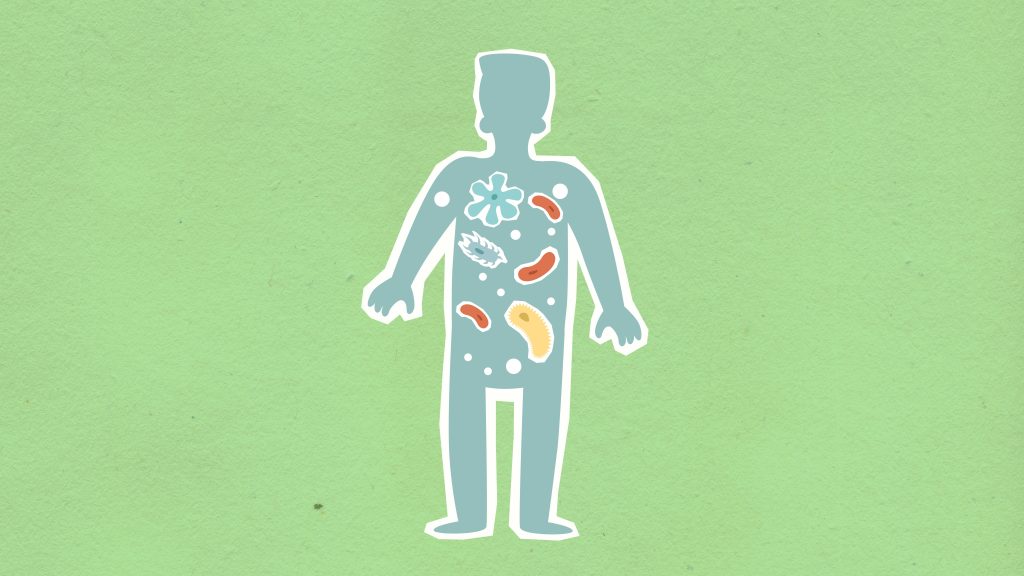
The symptoms depend on which type of gas the bacteria produce. Bloating typically appears 30 to 90 minutes after eating. What causes a SIBO flare is usually any food that provides fermentable substrate for the bacteria: grains, sugars, legumes, most fruit, and lactose-containing dairy. Stress and disrupted eating patterns also worsen SIBO by impairing the migrating motor complex (MMC), the housekeeping wave that clears bacteria from the small intestine between meals.
Diagnosis requires a hydrogen or methane lactulose breath test, not symptoms alone. Many people who suspect SIBO have functional gut conditions with overlapping presentations. A formal breath test is the appropriate first step before committing to a SIBO-specific dietary protocol.
The Three Types of SIBO: Why Your Diet Approach Differs
Hydrogen SIBO and the Low-FODMAP Diet
Hydrogen SIBO is the most common type. Bacteria ferment carbohydrates to produce hydrogen gas, causing bloating, flatulence, and loose stools, typically within 1 to 2 hours of eating. The standard low-FODMAP diet is most effective here, directly targeting the fermentable carbohydrates that hydrogen-producing bacteria use as substrate.
Treatment: rifaximin is the most studied antibiotic for hydrogen SIBO. A landmark trial by Pimentel et al. published in the Annals of Internal Medicine (2011) demonstrated that rifaximin at 550 mg three times daily for 14 days produced significant improvement in bloating and stool consistency compared to placebo, with 40.7% vs. 31.7% of patients achieving adequate relief. Herbal alternatives include berberine, allicin, and oregano oil combinations.
Methane SIBO (IMO): When Standard Low-FODMAP Is Not Enough
Methane SIBO is now more precisely called Intestinal Methanogen Overgrowth (IMO). Methanogens convert hydrogen into methane gas, dramatically slowing intestinal transit. Symptoms are dominated by severe constipation, hard stools, and extreme bloating that worsens progressively throughout the day.
The IMO sibo diet typically requires more than standard low-FODMAP. Methanogens thrive on a somewhat different substrate profile, and many practitioners add elements of the Specific Carbohydrate Diet (SCD), which eliminates most complex starches and grains. Treatment requires a dual antibiotic approach: rifaximin combined with neomycin, or rifaximin with metronidazole.
Hydrogen Sulfide SIBO: Adding Low-Sulfur to the Mix
Hydrogen sulfide SIBO produces sulphurous gas with a rotten egg odour. Diarrhoea and abdominal cramping are the predominant symptoms. In addition to low-FODMAP, a low-sulfur diet is required: reduce eggs, cruciferous vegetables (broccoli, cauliflower, Brussels sprouts), garlic, onions, and high-sulfur proteins. This additional layer is specific to hydrogen sulfide SIBO and does not apply to the other types.
Why the FODMAP and SIBO Connection Works

FODMAP stands for Fermentable Oligosaccharides, Disaccharides, Monosaccharides, and Polyols. These are short-chain carbohydrates that the small intestine absorbs poorly, meaning they pass through largely intact. In a healthy gut they reach the colon where colonic bacteria ferment them harmlessly. In SIBO, bacteria in the small intestine intercept and ferment these carbohydrates before they reach the colon, producing gas in the wrong place.
Low-FODMAP reduces the available fermentable substrate in the small intestine. Less fermentable food equals less bacterial activity equals less gas production and less symptom severity. Research by Gibson and Shepherd at Monash University, the team that developed the low-FODMAP diet, demonstrated that restricting these fermentable carbohydrates significantly reduced functional gut symptoms in multiple controlled trials.
| Important framing: the low-FODMAP diet is to SIBO what low-carb eating is to blood sugar management. It controls the consequences effectively but does not address the underlying biology. For most people with confirmed SIBO, antibiotic or herbal treatment alongside dietary management produces better long-term outcomes than diet alone. |
SIBO Low-FODMAP Food List: What to Eat and What to Avoid
The table below covers the most practical high-frequency foods. For a comprehensive, regularly updated list by portion size and category, the Monash University FODMAP Diet app is the most evidence-based food database available. It is the source used by registered dietitians specialising in SIBO and IBS management.
| Eat freely (low-FODMAP, SIBO-safe) | Limit or avoid (high-FODMAP, high fermentation) |
| Proteins: chicken, turkey, beef, salmon, eggs, firm tofu | Grains: wheat, rye, barley (high fructans) |
| Grains: white rice, oats (1/2 cup), gluten-free pasta, sourdough spelt | Legumes: most beans, lentils, chickpeas, kidney beans |
| Vegetables: carrots, courgette, spinach, kale, green beans, bell peppers, cucumber, lettuce | Vegetables: onion, garlic (all forms), leek, asparagus, artichoke, mushrooms, cauliflower |
| Fruits: kiwi, strawberries, blueberries (small), oranges, grapes, cantaloupe | Fruits: apples, pears, mango, watermelon, cherries, peaches, all dried fruit |
| Dairy: lactose-free milk, hard cheeses, almond milk (unsweetened) | Dairy: regular milk, yogurt, ice cream, soft cheeses, cream cheese |
| Fats: olive oil, coconut oil, butter, pumpkin seeds, walnuts (small portion) | Sweeteners: honey, agave, fructose, sorbitol, mannitol, xylitol, HFCS |
Two notes that most SIBO articles miss. First, garlic-infused oil is a safe low-FODMAP option for garlic flavour. FODMAP fructans are water-soluble, not fat-soluble, so infusing oil with garlic and removing the pieces leaves behind flavour without the fructans. Second, onion is the single highest-FODMAP food and the most common hidden ingredient in packaged sauces, stocks, and restaurant meals. Checking labels for “onion powder” and “dehydrated onion” is essential during the strict phase. For people wanting high-fibre, low-carb food options that fit within a SIBO framework, many of the safest choices overlap with the foods in that guide.
SIBO Diet Plan: The Three Phases
| Phase | Timing | Approach | Goal |
| 1: Treatment | During antibiotic or herbal course (weeks 1-4) | Strict low-FODMAP; meals 4-5 hours apart; minimal snacking | Reduce bacterial substrate and symptom severity during die-off |
| 2: Recovery | 2-4 weeks post-treatment | Continue low-FODMAP; introduce bone broth, ginger, peppermint; begin spore-based probiotics | Stabilise gut environment; support barrier repair and motility |
| 3: Reintroduction | Weeks 6-12 and beyond | Reintroduce one FODMAP group at a time; 3-day testing per food | Identify personal triggers; build the widest tolerable diet |
Phase 1: During Treatment
During your antibiotic or herbal antimicrobial course, strict low-FODMAP reduces bacterial substrate and minimises symptoms during the bacterial die-off period. Meal spacing matters as much as food choices: eating every 4 to 5 hours with minimal snacking between meals gives the MMC time to activate and clear debris between meals. The MMC only operates in a fasted state; constant snacking suppresses it and is a major driver of SIBO recurrence.
Phase 2: Post-Treatment Recovery
Immediately after completing treatment, continue low-FODMAP for 2 to 4 additional weeks while the gut environment stabilises. Begin introducing gut-supporting foods: bone broth for mucosal healing, ginger and peppermint for motility support, and fermented low-FODMAP foods in small amounts to begin rebuilding the microbiome. Support nutrient absorption during this phase: digestive enzymes help address the malabsorption that has been occurring during active SIBO, and evidence for their use in recovery contexts is reviewed in the do digestive enzymes work guide. Magnesium supports gut motility directly and is often depleted in people with chronic SIBO.
Phase 3: Reintroduction and Maintenance
Systematic reintroduction identifies your personal FODMAP tolerances, which vary significantly between individuals. Introduce one FODMAP group at a time: fructans, lactose, fructose, polyols (sorbitol), polyols (mannitol), and GOS (galacto-oligosaccharides) separately. Allow 3 days per food to observe symptoms before testing the next category. Most people tolerate some FODMAP foods at low doses that they cannot tolerate at high doses. The goal is the most varied diet possible within your individual threshold.
Can Probiotics Cause SIBO to Worsen?
This is a genuinely counterintuitive answer for people familiar with standard gut health advice. Standard Lactobacillus and Bifidobacterium probiotics are not recommended during active SIBO. Adding more microorganisms to an already-overgrown small intestine can worsen bloating, gas, and abdominal symptoms in some people. Several practitioners have reported that probiotic use is a contributing factor in persistent cases.
The picture changes post-treatment. Understanding the broader prebiotics vs. probiotics distinction matters here: probiotics affect the microorganism population; prebiotics feed existing bacteria. During active SIBO, both are generally kept minimal.
Post-treatment, specific forms are appropriate:
- Saccharomyces boulardii: a yeast, not a bacterium. Does not colonise the small intestine. Supports gut barrier integrity. Well-tolerated during and after treatment.
- Spore-based probiotics (Bacillus coagulans, Bacillus subtilis): form spores that survive the small intestine and activate only in the colon. Do not contribute to small intestinal overgrowth. Increasingly used for post-SIBO maintenance and relapse prevention.
- Timing: introduce spore-based or Saccharomyces boulardii 2 to 4 weeks after completing treatment, not during.
Other Dietary Approaches for SIBO
Low-FODMAP is the most accessible starting point, but it is not the only framework:
- Specific Carbohydrate Diet (SCD): eliminates all grains, most starches, and refined sugars. Allows monosaccharides that are directly absorbed. Preferred by some practitioners for methane SIBO and more treatment-resistant cases.
- Elemental diet: a 2 to 3 week liquid diet of pre-digested nutrients that the small intestine absorbs almost entirely before bacteria can ferment them. A study by Pimentel et al. in the American Journal of Gastroenterology found the elemental diet normalised breath test results in 80-85% of SIBO cases. Reserved for severe or antibiotic-resistant SIBO due to its difficulty.
- Bi-Phasic Diet: a structured SIBO protocol developed by Dr. Nirala Jacobi combining low-FODMAP and SCD elements across two defined phases. Used by integrative gastroenterology practitioners.
SIBO Is Treatable: The Diet Is Where You Start, Not Where You Stop
The low-FODMAP diet for SIBO is one of the most effective dietary interventions available for managing a genuinely difficult condition. When applied correctly through the three phases, with food choices matched to your specific SIBO type, it meaningfully reduces the symptom severity that makes daily eating feel unpredictable and exhausting.
But its role is symptom management, not treatment. The people who achieve lasting SIBO resolution do so by combining dietary management with targeted antimicrobial treatment, addressing the root causes that allowed SIBO to develop in the first place (motility issues, low stomach acid, structural factors), and using the reintroduction phase to rebuild the most nutritionally complete diet their gut can sustain. The diet is the foundation; the full protocol is what produces lasting change.
A gastroenterologist or registered dietitian specialising in SIBO can guide diagnosis via breath testing and develop a treatment plan matched to your specific type.
Frequently Asked Questions
Does the low-FODMAP diet cure SIBO?
No. It manages symptoms by reducing fermentable substrate for bacteria. Treatment requires antibiotics or herbal antimicrobials. Diet alone will not eradicate the bacterial overgrowth.
What is the best diet for SIBO?
Low-FODMAP is the most commonly used starting point. Methane SIBO often benefits from additional carbohydrate restriction. Hydrogen sulfide SIBO also requires low-sulfur modifications. The best diet is matched to your specific SIBO type.
Can probiotics cause SIBO to get worse?
Standard probiotics (Lactobacillus and Bifidobacterium) can worsen symptoms during active SIBO. Saccharomyces boulardii and spore-based probiotics are better tolerated and appropriate post-treatment.
What foods are worst for SIBO?
Onion and garlic are the highest-FODMAP foods and the most common hidden sources in packaged foods. Wheat, rye, most legumes, lactose dairy, apples, and all sugar alcohols also feed SIBO bacteria rapidly.
How long should I stay on the low-FODMAP diet for SIBO?
Strict low-FODMAP during treatment (2 to 4 weeks), continuing 2 to 4 weeks post-treatment, then systematic reintroduction. Most people manage 8 to 12 weeks of structured restriction before personalised maintenance.
Can I eat rice on a SIBO diet?
Yes. White rice is one of the safest SIBO foods. It is low-FODMAP, directly absorbed in the small intestine, and does not significantly feed SIBO bacteria. Brown rice has more fermentable fibre and is less reliably safe, especially for methane SIBO.
