


Key Takeaways
- Fix nutritional deficiencies first. B12, vitamin D, and omega-3 deficiency are reversible causes of poor focus that no nootropic can compensate for.
- L-theanine combined with caffeine is the most consistently evidence-backed focus stack. It produces calm, sustained attention without the anxiety or crash of caffeine alone.
- Bacopa monnieri has the strongest evidence among herbal supplements but requires 4-12 weeks of consistent use. Most people stop too early.
- Alpha-GPC and citicoline raise brain acetylcholine, the neurotransmitter most directly linked to attention and working memory. Both are underused and under-discussed.
Focus supplements work, but the right one depends entirely on why your concentration is poor. A person with a B12 deficiency and a person dealing with chronic stress need completely different interventions. Reaching for the most popular nootropic without understanding the underlying cause is the reason most people are disappointed with supplements for focus and memory.
The ten supplements below are the most evidence-backed options across the full range of focus and concentration problems. Each is explained by mechanism, not just benefit, so you can match it to your situation. For readers whose focus problems present as mental cloudiness rather than attention difficulty, the article on brain fog causes covers the root causes in detail before supplementing.
Why the Cause of Your Focus Problem Matters
Most focus problems fall into one of three categories, and each category responds to different supplements:
- Nutritional deficiency: B12, vitamin D, iron, or omega-3 deficiency directly impairs cognitive function. These are reversible by correcting the deficiency. No amount of nootropics compensates for a depleted nervous system.
- Stress and fatigue-driven: Chronic stress and HPA axis dysregulation deplete neurotransmitters and impair prefrontal cortex function. Rhodiola rosea, L-theanine, and magnesium are most relevant here.
- Neurotransmitter and structural: In an otherwise well-nourished, non-stressed person, Alpha-GPC, citicoline, Bacopa monnieri, and Lion’s mane address the acetylcholine pathway and neuronal structure directly.
| If your focus has declined recently without a clear cause, rule out B12 deficiency, vitamin D deficiency, and hypothyroidism with basic bloodwork before purchasing nootropics. |
Best Supplements for Focus and Concentration: Top 10 List
There is no single best supplement for focus and concentration. The right choice depends on your goal and how quickly you need results. The table below gives a full overview before the detailed explanations.
| # | Supplement | Best for | How fast | Evidence |
| 1 | L-Theanine + Caffeine | Daily calm focus | 30-60 minutes | Strong (multiple RCTs) |
| 2 | Bacopa Monnieri | Memory, learning rate | 4-12 weeks | Strong (multiple RCTs) |
| 3 | Omega-3 DHA | Brain structure, baseline function | Weeks to months | Strong (foundational) |
| 4 | B-Vitamins + Vitamin D | Brain fog, deficiency correction | Weeks | Strong (if deficient) |
| 5 | Alpha-GPC | Attention, working memory | Days to weeks | Good |
| 6 | Rhodiola Rosea | Stress/fatigue-driven focus loss | Days to 2 weeks | Good |
| 7 | Lion’s Mane Mushroom | Long-term neuronal health | 4-16 weeks | Good (strong RCT) |
| 8 | Phosphatidylserine | Memory, processing speed | 4-12 weeks | Good (FDA claim) |
| 9 | Magnesium L-Threonate | Brain fog, working memory | 2-6 weeks | Emerging |
| 10 | Citicoline | Attention, acetylcholine, dopamine | Days to weeks | Good |
1. L-Theanine + Caffeine

The most consistently evidence-backed focus combination available without a prescription. L-theanine is an amino acid from green tea that promotes alpha-wave brain activity, producing calm, focused alertness. Caffeine provides stimulation and alertness. The combination is greater than either alone.
A 2008 RCT by Owen et al. published in Nutritional Neuroscience found that L-theanine combined with caffeine significantly improved accuracy, alertness, and reduced distraction compared to either compound alone or placebo. The mechanism: L-theanine moderates caffeine’s anxiogenic effects while preserving its alertness benefit, producing the “calm focus” state most people are actually trying to achieve.
- Dose: 100-200 mg L-theanine + 50-100 mg caffeine at a 2:1 ratio.
- Speed: Effects within 30-60 minutes.
- Best for: Fast-acting daily focus support. Directly relevant to anxiety-driven focus disruption. For a pre-combined supplement in the studied 2:1 ratio, a combined L-theanine and caffeine supplement is widely used in cognitive performance contexts.
2. Bacopa Monnieri
The most evidence-backed herbal supplement for memory and sustained learning. Bacopa has been studied in multiple placebo-controlled RCTs, more than any other botanical cognitive enhancer. The Roodenrys et al. study published in Psychopharmacology (2001) found 300 mg/day significantly improved verbal learning rate and memory consolidation at 12 weeks versus placebo.
Mechanism: increases BDNF (brain-derived neurotrophic factor), modulates acetylcholine signalling, and provides antioxidant protection to neurons. The effect builds through increased dendritic branching, which takes weeks.
- Dose: 300-600 mg/day of a standardised extract (45% bacosides). Take with food.
- Speed: 4-12 weeks of daily use required. Do not assess at week 1.
- Best for: Memory, learning rate, and sustained concentration.
3. Omega-3 Fatty Acids (DHA)
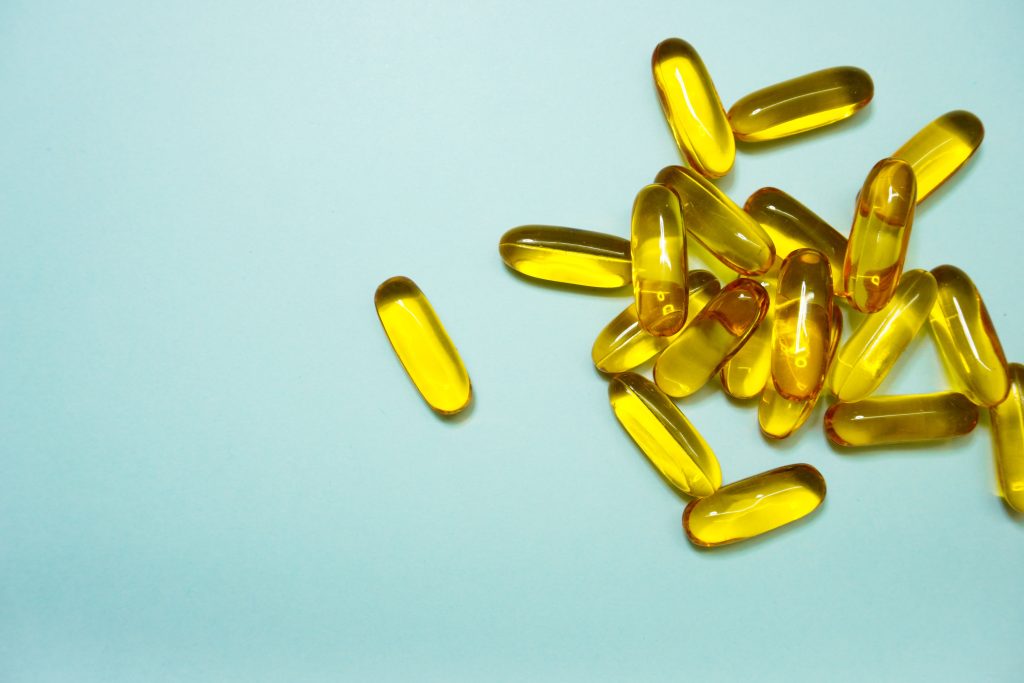
DHA (docosahexaenoic acid) constitutes 30-40% of brain cell membrane phospholipids. It is the primary structural fat in neurons. Deficiency reduces membrane fluidity, impairs neurotransmitter receptor function, and directly affects cognitive performance. DHA is a baseline supplement, not a fast-acting nootropic, but it is one of the most important for long-term brain health.
For the full evidence on omega-3 and cognitive function, the fish oil benefits article covers the mechanism and evidence in detail.
- Dose: 500-1,000 mg DHA per day.
- Speed: Builds over weeks to months.
- Best for: Foundational brain structural support, particularly for adults with low fish intake.
4. B-Vitamins and Vitamin D
The most commonly overlooked reversible causes of poor focus. Vitamin B12 deficiency produces brain fog, slow thinking, and impaired concentration through demyelination and impaired neurotransmitter synthesis. Most at risk: vegans, vegetarians, adults over 50, metformin users. Vitamin D deficiency is present in 40-60% of adults and is associated with cognitive impairment through VDR-mediated neurogenesis pathways in the hippocampus and prefrontal cortex. Vitamin B6 is required for serotonin, dopamine, and GABA synthesis.
The B vitamin complex and brain function article covers the full spectrum of how each B vitamin contributes to cognitive performance.
- Dose: B12 at 250-1,000 mcg/day (methylcobalamin preferred); vitamin D3 at 2,000-4,000 IU/day; B6 at 1.5-2 mg/day.
- Speed: Weeks to correct deficiency levels.
- Best for: Anyone with suspected deficiency. Foundational before adding any other cognitive supplement.
5. Alpha-GPC
The most bioavailable choline precursor for raising brain acetylcholine. Acetylcholine is the neurotransmitter most directly associated with attention, learning, and working memory. Low acetylcholine is one reason anticholinergic medications (antihistamines, some antidepressants) cause brain fog. Alpha-GPC crosses the blood-brain barrier efficiently and provides a direct substrate for acetylcholine synthesis.
- Dose: 300-600 mg/day.
- Speed: Days to weeks.
- Best for: Working memory, sustained attention, and mental energy. Particularly useful for people who notice focus impairment after using antihistamines or other anticholinergic medications. A pharmaceutical-grade alpha-GPC supplement is a practical starting point for this compound.
6. Rhodiola Rosea
The best supplement for focus problems driven by stress and fatigue. Rhodiola modulates the HPA axis (reducing cortisol overactivation) and activates serotonin and dopamine synthesis pathways. A 2000 study in Phytomedicine found Rhodiola significantly reduced mental fatigue and improved cognitive performance in night-shift workers under sustained stress.
For the broader context of how Rhodiola supports stress resilience and mental performance, the linked article covers the full HPA mechanism.
- Dose: 200-600 mg/day standardised extract (3% rosavins, 1% salidroside). Take in the morning; mild stimulating effect.
- Speed: Days to 2 weeks.
- Best for: Focus problems that worsen under stress or during periods of fatigue and burnout.
7. Lion’s Mane Mushroom

The only supplement that stimulates nerve growth factor (NGF) production. NGF supports neuronal growth, synaptic plasticity, and the maintenance of myelin sheaths. This mechanism is structurally distinct from all other supplements on this list: rather than modulating neurotransmitters, it supports the physical maintenance and growth of neurons.
A 2009 double-blind RCT by Mori et al. in Phytotherapy Research found Lion’s mane at 750 mg/day for 16 weeks significantly improved cognitive function scores versus placebo in adults with mild cognitive impairment. The effect was reversed when supplementation stopped.
- Dose: 500-3,000 mg/day of the fruiting body extract. Look for “fruiting body” specifically, not just “mycelium,” which contains less of the active hericenones and erinacines.
- Speed: 4-16 weeks.
- Best for: Long-term neuronal health and gradual cognitive improvement. When purchasing, a fruiting body lion’s mane supplement with verified beta-glucan content ensures the active hericenones and erinacines are present at meaningful concentrations.
8. Phosphatidylserine
A phospholipid that makes up 15-20% of the brain’s total phospholipid pool. Phosphatidylserine supports neuronal membrane fluidity, neurotransmitter release, and glucose metabolism in neurons. It is one of very few supplements with an FDA qualified health claim, specifically for reducing the risk of cognitive dysfunction and dementia.
- Dose: 100-400 mg/day. Soy-derived (most common) or sunflower-derived (preferred for those avoiding soy).
- Speed: 4-12 weeks.
- Best for: General cognitive support, attention, and processing speed. Strongest evidence in adults over 50.
9. Magnesium L-Threonate
Magnesium regulates NMDA receptors, which govern learning and working memory. Most magnesium forms have low bioavailability to the brain. Magnesium L-threonate is the only form demonstrated to meaningfully cross the blood-brain barrier and raise brain magnesium concentrations. It is particularly relevant for people experiencing brain fog alongside poor sleep, since brain magnesium also supports sleep architecture. For a comparison of magnesium forms and their different applications, the magnesium vs. magnesium glycinate article covers the full spectrum.
- Dose: 1.5-2g of magnesium L-threonate per day (providing approximately 144 mg elemental magnesium).
- Speed: 2-6 weeks.
- Best for: Brain fog, working memory deficits, and focus problems that accompany sleep disruption.
10. Citicoline (CDP-Choline)
Like Alpha-GPC, citicoline is a choline precursor that raises brain acetylcholine. The distinction: citicoline also increases dopamine receptor density and provides uridine, which supports synaptic membrane synthesis. This makes it a slightly broader cognitive enhancer than Alpha-GPC, addressing both the acetylcholine (attention) and dopamine (motivation and reward) pathways.
- Dose: 250-500 mg/day.
- Speed: Days to weeks.
- Best for: Sustained attention, mental stamina, and motivation alongside focus.
Focus and Concentration Supplements by Goal
Use the table below to match your specific situation to the most appropriate supplement:
| Goal | Best supplement(s) | Timeline | Notes |
| Daily calm focus | L-theanine + caffeine | 30-60 min | Best starting point for most people |
| Memory + sustained learning | Bacopa monnieri | 4-12 weeks | Must be consistent; do not judge at day 7 |
| Attention and working memory | Alpha-GPC or citicoline | Days to weeks | Test one at a time |
| Stress-driven focus loss | Rhodiola rosea | Days to 2 weeks | Best when fatigue is the root cause |
| Brain fog (nutritional) | B12, vitamin D, omega-3 | Weeks | Check bloodwork first |
| Brain fog (magnesium) | Magnesium L-threonate | 2-6 weeks | Pairs well with sleep improvement |
| Long-term neuronal health | Lion’s mane | 4-16 weeks | Cumulative; do not stop early |
| Studying or exam prep | Bacopa + L-theanine/caffeine | Bacopa: weeks; L-theanine: immediate | Stack for both short and long-term benefit |
| Adults over 50 | Ginkgo biloba + phosphatidylserine | 4-12 weeks | Strongest evidence in this age group |
Safety and Considerations
All ten supplements on this list are generally well-tolerated at recommended doses. The following is worth knowing before starting:
- L-theanine + caffeine: people with anxiety disorders, heart arrhythmias, or caffeine sensitivity should reduce the caffeine component or use L-theanine alone. Avoid high-caffeine versions in the afternoon.
- Bacopa monnieri: causes nausea and GI cramping when taken on an empty stomach. Always take with food. Not recommended during pregnancy. May slow heart rate; caution with medications that affect heart rate.
- Rhodiola rosea: mild stimulating effect; avoid taking in the evening. Possible interaction with SSRIs and MAOIs through serotonin pathways. Not recommended during pregnancy.
- Ginkgo biloba: significant anticoagulant properties. Avoid if taking blood thinners (warfarin, aspirin) or within 2 weeks of surgery.
- Alpha-GPC and citicoline: well-tolerated at standard doses. High doses may cause headaches or GI discomfort.
- Lion’s mane: rare allergic reactions in people with mushroom allergies. Possible mild anticoagulant properties.
Supplements are not regulated as pharmaceuticals. Product quality varies considerably. Look for products with third-party testing (NSF, USP, or Informed Sport) and standardised extract percentages on the label. Bacopa should state 45% bacosides; Rhodiola should state 3% rosavins and 1% salidroside; Ginkgo should state 24% ginkgo flavone glycosides. Products without these details cannot be dosed reliably.
If focus problems are severe, sudden in onset, or accompanied by mood changes or unexplained fatigue, see a doctor rather than trying supplements first. Some of the most common focus problems (B12 deficiency, hypothyroidism, sleep apnoea) require medical diagnosis and treatment, not supplementation.
Focus First on Why, Then on What
The best supplements for focus and concentration are not a ranked list from best to worst. They are tools matched to causes. L-theanine and caffeine for immediate daily focus, Bacopa for learning and memory over weeks, Alpha-GPC or citicoline for the acetylcholine pathway, Rhodiola for stress-driven cognitive fatigue. The foundational four (B12, vitamin D, omega-3, magnesium) come before all of them.
Start with the simplest question: do I have a deficiency? If the answer is unknown, basic bloodwork is more valuable than a nootropic stack. Once the baseline is covered, add one supplement at a time, give it adequate time, and assess. That approach will outperform any pre-stacked formula in the long run.
Frequently Asked Questions
What is the best focus supplement without caffeine?
L-theanine alone promotes calm alertness without stimulation. Bacopa monnieri, Alpha-GPC, and Rhodiola rosea are all effective caffeine-free options depending on whether your focus problem is memory-based, attention-based, or fatigue-driven.
How long do focus supplements take to work?
L-theanine and caffeine: 30-60 minutes. Rhodiola: days to 2 weeks. Alpha-GPC and citicoline: days to weeks. Bacopa, Lion’s mane, and phosphatidylserine: 4-12 weeks. B12 and vitamin D: weeks to correct deficiency.
Are there vitamins for focus and concentration?
Yes. B12, B6, vitamin D, and omega-3 DHA are the most clinically important. Deficiency in any of them directly impairs cognitive function. Correcting a deficiency often produces clearer focus than any nootropic stacked on top of it.
Where should I start with focus supplements?
Get bloodwork for B12 and vitamin D first. Then try L-theanine and caffeine as a first test. It is cheap, fast, and the best-evidenced combination available. If it does not improve your focus, a more targeted approach is needed.
Do focus supplements help with ADHD?
Magnesium, omega-3 DHA, zinc, and phosphatidylserine have the most evidence for ADHD-related attention. These are supportive adjuncts, not replacements for medical evaluation or prescribed treatment. Discuss with a doctor if ADHD is suspected.
How do I know if a focus supplement is good quality?
Look for standardised extract percentages (Bacopa 45% bacosides; Rhodiola 3% rosavins), named strain or extract codes, and third-party testing certification. Products without these details cannot be reliably dosed.
