

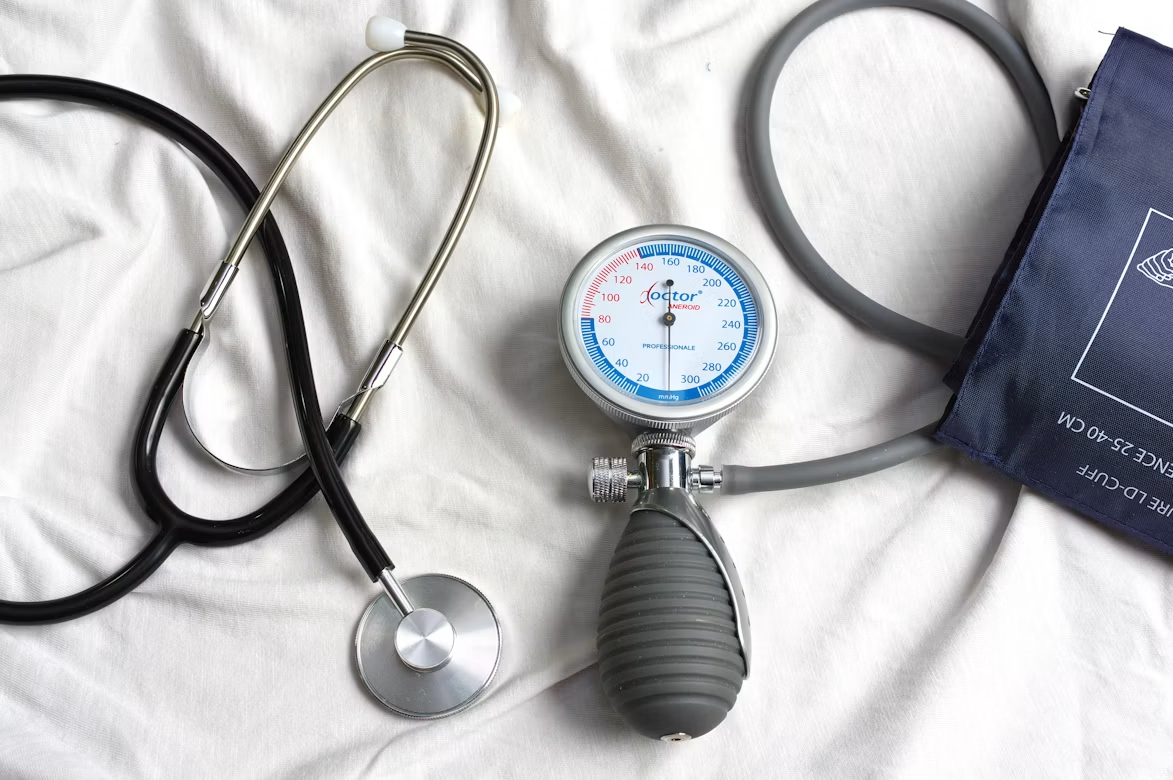
Key Takeaways
- Blood pressure above 180/120 mmHg with chest pain, severe headache, or vision changes is a medical emergency. Call 911. Do not attempt home remedies first.
- Slow breathing at 5-7 breaths per minute activates the vagus nerve and can reduce blood pressure by 5-10 mmHg in 5-10 minutes. It requires nothing purchased and nothing prepared.
- Beet juice is the fastest food-based intervention: dietary nitrates convert to nitric oxide and can reduce systolic pressure by 3-4 mmHg within 1-3 hours of a single 250ml serving.
- For sustained lowering, reducing sodium and supplementing magnesium glycinate are the most evidence-backed non-medication approaches.
When people search for how to lower blood pressure quickly, the intent behind that search ranges widely. Some are dealing with a moderately elevated reading and want practical options. Others may be in a more urgent situation where home interventions are not appropriate at all. The right starting point depends entirely on the numbers and the symptoms.
Some approaches work in minutes (slow breathing). Some work in hours (beet juice). Some work in days (sodium reduction). And some work over weeks, building toward sustained reduction. The sections below cover each, ordered by speed, so the most urgent needs are addressed first.
When High Blood Pressure Is a Medical Emergency
| Blood pressure above 180/120 mmHg with chest pain, severe or sudden headache, vision changes, shortness of breath, confusion, or numbness requires emergency care. Call 911 immediately. Do not attempt home remedies. High blood pressure above 180/120 mmHg without these symptoms: call your doctor or go to urgent care the same day. |
The home interventions in this article are appropriate for people with moderately elevated blood pressure (below 180/110 mmHg) who are not experiencing acute symptoms and are already under medical supervision or seeking general guidance. They are not substitutes for emergency medical care.
How to Lower Blood Pressure in 5 Minutes
The fastest blood pressure intervention available without medication or equipment is slow diaphragmatic breathing. A 2019 systematic review published in the Journal of Human Hypertension, analysing 23 controlled studies, found that device-guided slow breathing consistently produced significant blood pressure reductions. The same mechanism works without a device.
Protocol: inhale for 4 to 5 seconds, then exhale for 6 to 7 seconds. A longer exhale is critical. The extended exhalation activates the vagus nerve and shifts the autonomic nervous system toward parasympathetic dominance, reducing heart rate and vascular resistance. Target 5 to 7 breaths per minute for 5 to 10 minutes. Studies document 5 to 10 mmHg systolic reduction within this window.
- 4-7-8 breathing: inhale for 4 counts, hold for 7, exhale for 8. The long hold and extended exhale maximise vagal activation.
- Box breathing: 4 counts in, hold 4, exhale 4, hold 4. Slower and more structured; useful for people who find the 4-7-8 pattern difficult.
- Sit, do not stand: sit with feet flat on the floor, back supported. Moving around, walking, or standing activates the sympathetic system and counteracts the breathing protocol.
Beyond breathing: simply removing the triggering stressor (ending a stressful conversation, leaving a noisy environment, lying down in a quiet room) can reduce blood pressure by 10 to 15 mmHg within 5 to 10 minutes for situational spikes. Much of what triggers acute BP elevation is sympathetic activation from activity, stress, or anxiety, and it normalises rapidly at rest.
How to Lower Blood Pressure Quickly: Proven Approaches by Speed
The following approaches are ordered by speed of effect. Starting with the fastest and layering in the slower-acting ones produces cumulative benefit over days and weeks.
| Approach | Speed | Effect on blood pressure |
| Slow breathing (5-7 breaths/min) | 5-10 minutes | 5-10 mmHg systolic reduction |
| Sit quietly, remove stressor | 5-10 minutes | 5-15 mmHg situational reduction |
| Beet juice (250ml concentrated) | 1-3 hours | 3-4 mmHg systolic reduction |
| Sodium reduction | 1-2 days | 4-6 mmHg systolic per 1g reduction |
| Potassium-rich foods | Days | Additive with sodium reduction |
| Magnesium glycinate (300-400mg) | 4-8 weeks | 3-5 mmHg systolic and diastolic |
| Aerobic exercise (150 min/week) | 4-8 weeks | 3-5 mmHg systolic; 5-10% HDL boost |
Slow Breathing
Covered in detail above. This is the fastest non-medication BP intervention with clinical evidence. The protocol (4-5 second inhale, 6-7 second exhale, 5-7 breaths per minute, 10 minutes daily) activates the vagus nerve, reducing sympathetic tone and vascular resistance. It works today, free, and requires no equipment.
For people who want biofeedback guidance to optimise their breathing rate and verify efficacy, an FDA-cleared guided breathing device for blood pressure management uses real-time audio feedback to help users reach the therapeutic breathing rate. The device has been studied in multiple RCTs and is the basis for the FDA clearance of slow breathing as a hypertension intervention.
Drink Beet Juice for Fast Nitric Oxide Support
Dietary nitrates in beet juice convert to nitric oxide through a two-step process involving oral bacteria and the gut. Nitric oxide dilates blood vessels, reducing peripheral resistance and blood pressure. A 2013 study published in Hypertension found a 3 to 4 mmHg systolic reduction within 1 to 3 hours of a 250ml serving of beet juice in people with hypertension. The effect is more pronounced in people with established hypertension than in those with normal blood pressure.
Practical: 250ml of concentrated beet juice with the evening meal, or a beet root concentrate in powder or capsule form. For people who want a consistent daily nitric oxide dose without the volume of liquid, a concentrated beet root powder delivering standardised nitrate content provides a measured daily dose in a format that can be added to water or a smoothie.
Reduce Sodium Immediately
Sodium is the most impactful acute dietary lever for blood pressure. Approximately 50 to 75% of people with hypertension are sodium-sensitive, meaning their blood pressure responds directly and relatively quickly (1 to 2 days) to sodium intake changes. Removing processed foods, not adding salt at the table, and checking labels for sodium content are the three practical starting points.
A 1g per day reduction in sodium intake is associated with approximately 4 to 6 mmHg systolic reduction in sodium-sensitive individuals. The American Heart Association recommends below 2,300mg per day for most adults and below 1,500mg for people with hypertension. The average American consumes approximately 3,400mg per day, meaning most people have substantial room for reduction.
Eat Potassium-Rich Foods
Potassium promotes sodium excretion through the kidneys and directly relaxes blood vessel walls through effects on smooth muscle cell membrane potential. The potassium-to-sodium ratio in the diet is a more powerful predictor of blood pressure than either mineral in isolation.
- Bananas, avocados, spinach, sweet potato, coconut water, oranges, beans, and lentils are high-potassium options.
- A single banana provides approximately 400mg potassium; the recommended intake for adults with hypertension is 3,500 to 5,000mg per day.
- Potassium-rich foods combined with sodium reduction produces the most rapid dietary blood pressure reduction available without supplementation.
Take Magnesium Glycinate
Magnesium relaxes vascular smooth muscle through calcium channel antagonism. It directly reduces vascular resistance by competing with calcium in smooth muscle contraction. Magnesium deficiency, which affects an estimated 45 to 65% of adults, is associated with elevated blood pressure, and correcting deficiency consistently reduces it.
Studies show 3 to 5 mmHg systolic and diastolic reduction with consistent magnesium supplementation at 300 to 400mg per day of elemental magnesium over 4 to 8 weeks. Begin now for sustained benefit. The glycinate form has the highest bioavailability and best GI tolerance for daily use. For the full cardiovascular evidence and form comparison, the magnesium vs. magnesium glycinate article covers why form selection matters for cardiovascular outcomes. For a supplement at the clinical dose, a magnesium glycinate product at 300 to 400mg elemental per serving provides the absorbable form used in most blood pressure studies.
Move Your Body
A single 10 to 15 minute brisk walk can reduce blood pressure for 1 to 4 hours through nitric oxide production and reduced sympathetic tone. This acute effect makes exercise the fastest sustained-reduction intervention that continues working after the session ends. Regular aerobic exercise at 150 minutes per week reduces systolic blood pressure by 3 to 5 mmHg over 4 to 8 weeks and is one of the most robustly evidenced non-medication interventions. For the best supplements for heart health alongside exercise, the linked article covers the evidence for CoQ10, omega-3s, and other cardiovascular support supplements.
How to Quickly Lower Diastolic Blood Pressure
Diastolic blood pressure (the lower number) reflects arterial pressure between heartbeats. For people specifically dealing with elevated diastolic (above 90 mmHg), certain interventions are particularly targeted. The approaches that lower diastolic most effectively:
- Sodium reduction: the most rapid diastolic intervention. Sodium-sensitive individuals see diastolic reduction within 1 to 2 days of meaningful sodium reduction. Target below 1,500 to 2,000mg sodium per day.
- Magnesium glycinate: magnesium is particularly important for diastolic because vascular smooth muscle relaxation in the arteriole walls specifically reduces the between-beat pressure. The 3 to 5 mmHg reduction from magnesium supplementation is consistent for both systolic and diastolic. Internal link:
- Aerobic exercise: more consistent evidence for diastolic reduction than systolic in some populations; 3 to 5 mmHg reduction at 4 to 8 weeks with consistent aerobic training.
- Stress and cortisol management: sympathetic activation raises diastolic through increased cardiac output and vasoconstriction. Managing cortisol, improving sleep, and reducing chronic stress address the diastolic elevation that originates in the nervous system rather than the vasculature.
- Sleep quality: poor sleep raises diastolic through cortisol elevation and sustained sympathetic activation. One night of inadequate sleep can elevate next-day diastolic blood pressure. Improving deep sleep quality is a meaningful diastolic management lever for people with sleep-disrupted hypertension.
For a complete diastolic-specific management framework, the how to lower diastolic blood pressure article covers the diastolic mechanisms and intervention hierarchy in full.
How to Lower Blood Pressure Fast Without Medication
The fastest non-medication approaches and their realistic expectations:
- Minutes to hours: slow breathing and beet juice. For situational spikes, these are the most immediately actionable tools.
- Days: sodium reduction and increased potassium. Consistent dietary changes begin producing measurable effects within 1 to 2 days in sodium-sensitive individuals.
- Weeks: magnesium glycinate, regular aerobic exercise, improved sleep. Full effect at 4 to 8 weeks.
- Months: DASH diet in full, sustained weight loss, stress management. The complete combined effect of lifestyle intervention takes 3 to 6 months to plateau.
Realistic ceiling without medication: combined lifestyle intervention (DASH diet principles, sodium reduction below 1,500mg, regular exercise, magnesium supplementation) can reduce systolic blood pressure by 10 to 15 mmHg at 3 to 6 months. This is sufficient to normalise Stage 1 hypertension (130 to 139 / 80 to 89 mmHg) in many people. Stage 2 hypertension (140+ / 90+ mmHg) typically requires a medication discussion alongside lifestyle changes.
Your Nervous System Is the First Button to Press
The fastest blood pressure interventions all work through the same door: the autonomic nervous system. Slow breathing, sitting quietly, and removing the stressor all activate the parasympathetic branch that directly lowers vascular resistance. These work in minutes and cost nothing. They are the correct first step while the slower-acting dietary and supplement interventions build their effect over days and weeks.
The important limit: breathing is not the right response to 180/120 mmHg with chest pain. Knowing which situation calls for emergency care and which calls for a breathing protocol is the most important distinction in blood pressure management.
Frequently Asked Questions
How do you lower blood pressure quickly?
Slow breathing at 5 to 7 breaths per minute (4-5 second inhale, 6-7 second exhale) can reduce blood pressure by 5 to 10 mmHg in 5 to 10 minutes. Sit quietly, remove the stressor, and breathe slowly. Beet juice provides a 3 to 4 mmHg reduction within 1 to 3 hours.
How to lower blood pressure in 5 minutes?
Diaphragmatic slow breathing: 4 to 5 seconds inhale, 6 to 7 seconds exhale, 5 to 7 breaths per minute for 5 to 10 minutes. Sit with feet flat on the floor. Studies show 5 to 10 mmHg systolic reduction within this time frame.
What can I drink to lower blood pressure quickly?
Beet juice is the fastest option, with a 3 to 4 mmHg systolic reduction possible within 1 to 3 hours through nitrate-to-nitric-oxide conversion. Water addresses dehydration as a contributing cause. Hibiscus tea works but requires daily use over days to weeks. Avoid caffeine and energy drinks.
How to quickly lower diastolic blood pressure?
Reduce sodium immediately (response within 1 to 2 days), begin magnesium glycinate (300 to 400mg/day), manage stress through slow breathing and sleep improvement, and add aerobic exercise. Diastolic responds particularly well to sodium and magnesium.
How to lower blood pressure fast without medication?
Slow breathing (immediate), sodium reduction (days), beet juice (hours), magnesium glycinate (weeks). Combined, lifestyle changes can reduce systolic by 10 to 15 mmHg. Stage 2 hypertension typically needs a medication discussion.
When is high blood pressure a medical emergency?
Blood pressure above 180/120 mmHg with chest pain, severe headache, vision changes, confusion, or shortness of breath requires calling 911. Without those symptoms at 180/120, call your doctor the same day.
Does deep breathing lower blood pressure?
Yes. Slow breathing at 5 to 7 breaths per minute activates the vagus nerve through extended exhalation. Studies show 5 to 10 mmHg systolic reduction with 5 to 10 minutes of slow breathing. The longer exhale is the key element, not just breathing deeply.
