

Understanding Varicose Veins and Why Genetics Matters
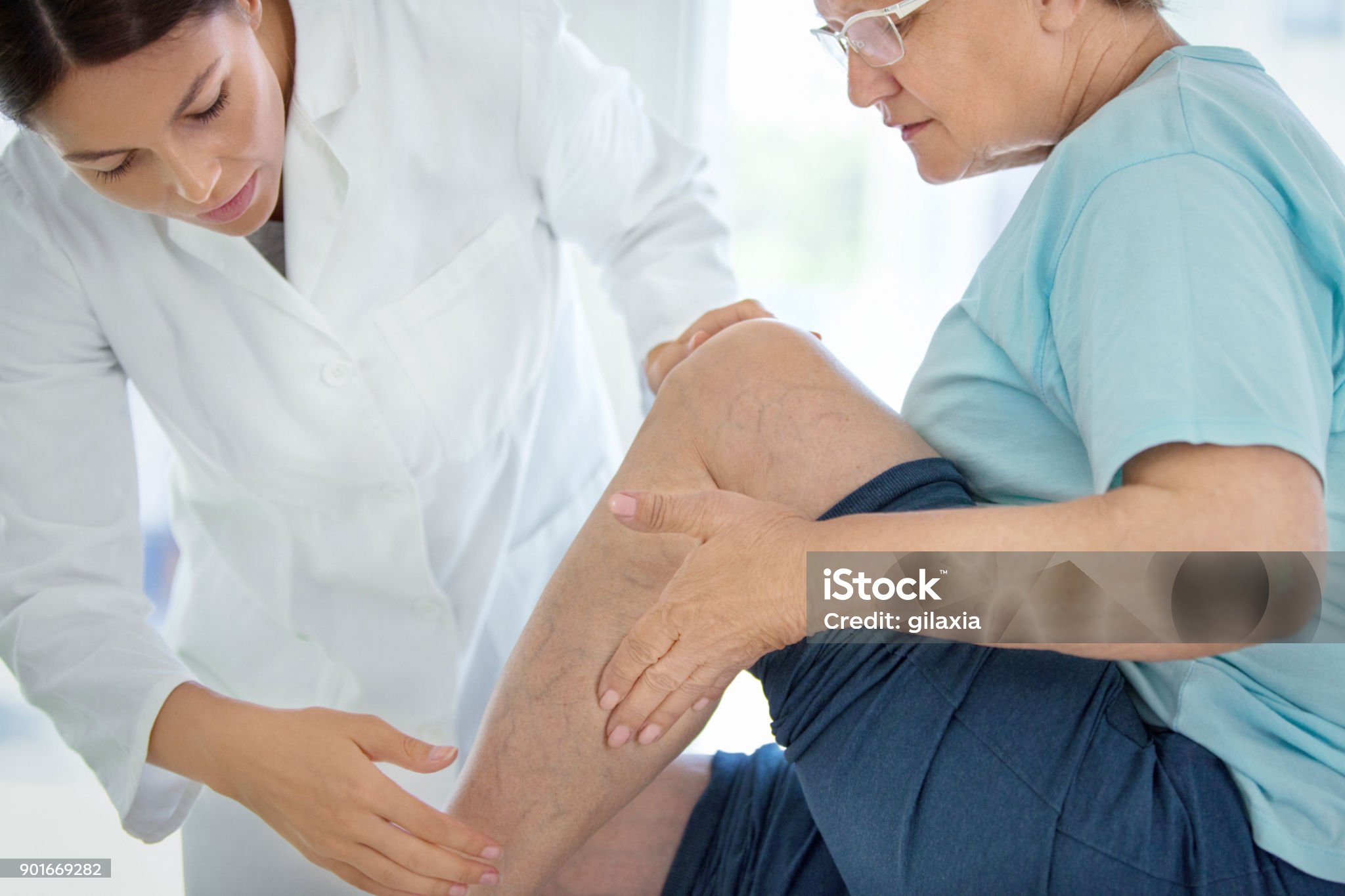
Varicose veins are one of the most common venous diseases diagnosed in adults. They present as swollen and twisted veins predominantly in the legs and feet and can cause heaviness, swelling, and aching. Varicose veins appear mostly as a cosmetic concern, but they can impact overall body circulation and health.
As research progresses, the role of genetics in causing and influencing varicose veins is explored. Research has found that the alteration of some connective tissue of variable elasticity can cause chronic venous disease. Varicose veins tend to be familial, and patients who have a family history of varicose veins and venous disease usually present with the disease at a younger age.
Genetic coding is only part of the equation. In regards to circulation and overall health, genetics will only determine a part of the outcome. This is supported by personal lifestyle choices. Having a family history of varicose veins does present a challenge when dealing with venous sustainability, but through proactive health lifestyle choices, the challenge becomes manageable.
Genetics and Vein Health
Healthy veins are characterized by strong walls with normal functioning valvular structures to assist the return of blood to the heart. Failure of these structures leads to the pooling of blood and increases the pressure and diameter of veins over time.
Researchers suggest that some inherited traits may affect:
- The amount of collagen and elastin produced
- The strength of connective tissue
- The flexibility of vein wall tissue
- The inflammatory response
- The efficiency of the circulatory system
These traits may partially account for the appearance of certain vein conditions in the same family. Genetic variations have been associated with chronic venous insufficiency in addition to other conditions associated with insufficient support of the vascular system.
Certainly, genetics will not necessarily determine whether an individual will develop venous disease. Inherited traits may, however, create a relative predisposition that combines with lifestyle factors such as the level of activity, stress, diet, weight, and general cardiovascular health.
The Importance of Lifestyle and Preventive Wellness
Although genetics may have some impact on an individual’s venous health, of far greater influence is the individual’s daily practice on circulation and bodily inflammation. Preventive wellness strategies have the potential to create a more favorable situation with respect to venous health and promote a better quality of life for those who have a familial history of venous insufficiency.
The most potent facilitator of venous well-being is movement. Walking, stretching, and exercising help the calf muscles to effectively assist the heart in its job, decreasing the pressure in the venous system.
A supportive role in vascular wellness is the diet. Blood vessels and general health and wellness of the body benefit when the diet is supportive of the aforementioned. A supportive diet, along with adequate hydration and weight management along with restriction of prolonged standing or sitting, may create more favorable venous health.
The understanding that persistent inflammation may impact vascular tissues and circulation is one of several factors that promote the preventive strategies focused on wellness, rather than on visible symptoms.
Personalized Vein Health and Early Prevention
The future of healthcare is moving towards a more personalized model, and healthcare providers are starting to examine how genetics, lifestyle, and circulation patterns come together. A family history of venous disease is a most critical factor to consider when assessing a patient’s future vein health, however, personalized preventative measures are just as important.
People with early symptoms such as heaviness, swelling, visible veins, or leg discomfort may benefit from learning more about circulation-focused wellness and personalized treatment options. Many individuals also seek professional care to restore comfort and confidence with vein treatment while improving circulation health and managing symptoms through personalized prevention strategies.
This approach to healthcare is becoming more and more common as preventative healthcare is valued. It’s widely accepted that prevention and wellness at the start of a patient’s healthcare pathway are the best options for their overall health in the long term.
Final Thoughts: Genetics Influence Risk, but Wellness Shapes Outcomes
Ongoing scientific studies are consistently identifying the impact of genetics on a patient’s likelihood of being affected by venous disease and varicose veins. There are several inherited, genetic factors that impact the composition of the venous system, vascular health, and inflammation.
However, prevention and wellness strategies, including healthy circulation and weight, as well as physical activity and nutrition, are factors that help influence venous conditions.
Genetics shouldn’t be seen as things you are born with and have no control over, nor should they be viewed as completely unrelated to the prediction of risk. Although modern research acknowledges that genetics influences risk, it supports the notion that daily practices and early intervention are crucial to vascular health. Considering that personalized medicine is here to stay, the future of vein health will likely become more integrated with the genetics, lifestyle, and proactive approaches.
