

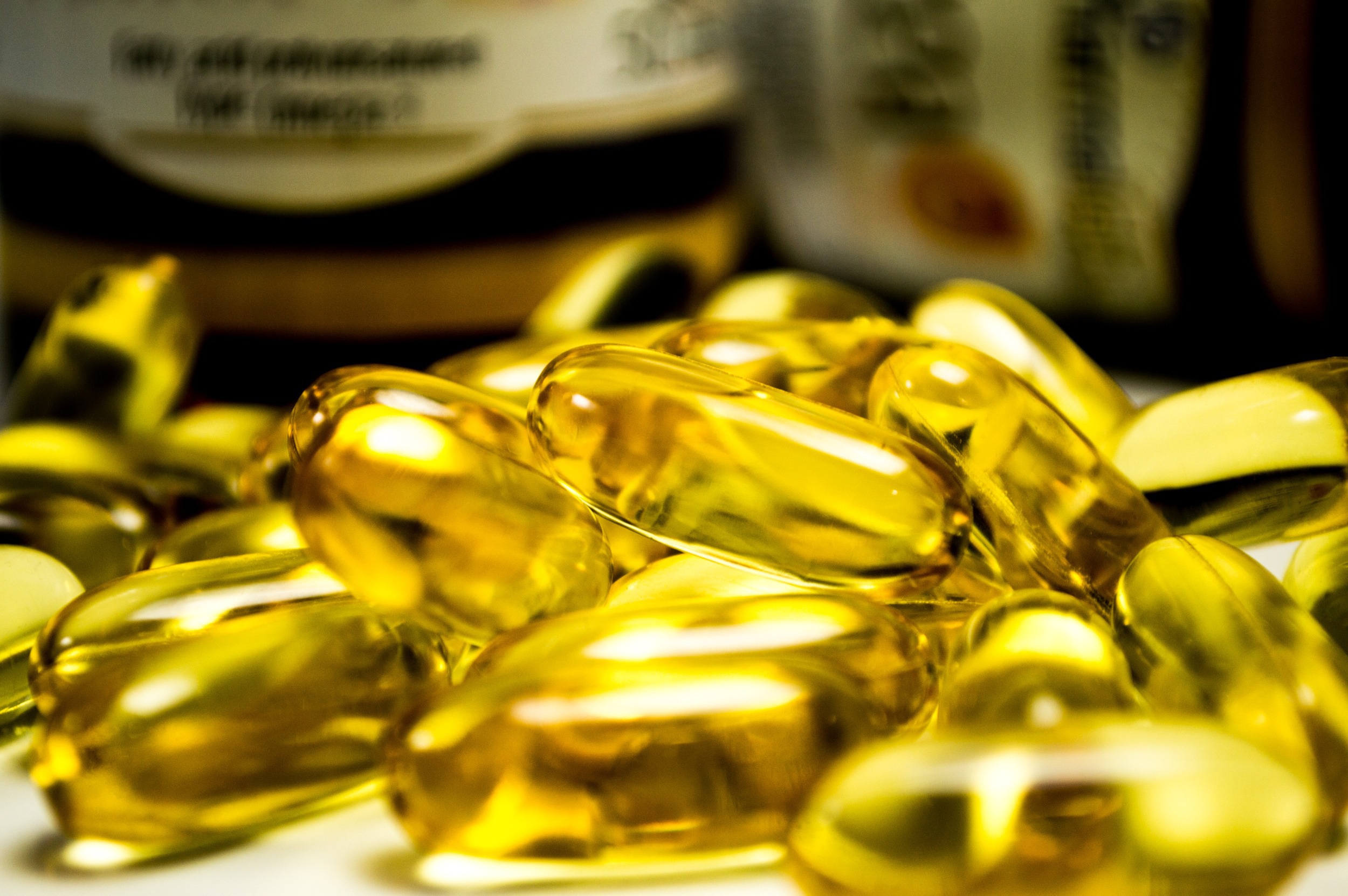
Fish oil is one of the most widely consumed supplements in the world. The benefits are real — but they depend entirely on which omega-3 fatty acid you are talking about, at what dose, and for what purpose.
Most fish oil articles list the same dozen benefits and leave it at that. This one goes a level deeper: EPA and DHA are chemically distinct molecules with different primary mechanisms, and the evidence supporting each benefit is not uniformly strong. Cardiovascular recommendations have shifted significantly since 2018. Dosage guidance in most articles is misleading because it conflates total fish oil weight with actual EPA+DHA content.
This guide covers what fish oil actually does by body system, what the current clinical evidence shows (including where it has changed), how much to take for specific goals, and honest answers to the side effect questions most articles skip.
EPA vs. DHA: Why the Distinction Matters
Fish oil contains two primary omega-3 fatty acids: EPA (eicosapentaenoic acid) and DHA (docosahexaenoic acid). They are almost always presented together as if interchangeable. They are not. They have different molecular structures, different tissue destinations, and different primary biological functions.
| EPA (Eicosapentaenoic acid) | DHA (Docosahexaenoic acid) | |
|---|---|---|
| Primary role | Signalling / anti-inflammatory | Structural |
| Where it acts | Cell membranes, immune cells, brain | Brain (40% of PUFAs), retina (60%), fetal tissue |
| Strongest evidence | Depression, triglycerides, cardiovascular risk, inflammation | Fetal brain/eye development, dry eye, cognitive support |
| Supplement priority | Anti-inflammatory, mood, heart goals | Pregnancy, eye health, brain structure |
| Best ratio | Higher EPA (2:1+ EPA:DHA) for mood/anti-inflammatory | Higher DHA for pregnancy and eye health |
Understanding this distinction matters for choosing the right supplement. For mood support, anti-inflammatory goals, and cardiovascular protection, EPA is the more active molecule — and EPA-dominant formulations (at least 2:1 EPA:DHA ratio) have the strongest evidence. For pregnancy, fetal brain and eye development, and structural neurological support in adults, DHA is the priority. For general maintenance, a balanced combined formula is appropriate.
The “epa dha ratio” question — how much of each you need — depends on your goal. There is no single optimal ratio for all uses, which is why the standard 180mg EPA / 120mg DHA capsule is not the right choice for every application.
Fish Oil Benefits by Body System
1. Heart Health and Triglycerides
The most consistently evidenced benefit of fish oil is triglyceride reduction. At 2–4g of EPA+DHA per day, fish oil lowers serum triglycerides by 20–30% in most individuals — an effect strong enough for the FDA to approve prescription omega-3 formulations (Vascepa and Lovaza) specifically for hypertriglyceridaemia.
The cardiovascular picture beyond triglycerides is more nuanced — and this is where recent evidence has significantly changed the guidance. Two large trials told different stories:
- REDUCE-IT (2018): 8,179 high-risk patients on statins received high-dose purified EPA (icosapent ethyl, 4g/day). Cardiovascular events fell by 25% relative to placebo. This was a striking result — but the intervention used purified EPA, not standard combined fish oil.
- STRENGTH (2020): A similar trial using high-dose combined EPA+DHA showed no cardiovascular benefit compared to corn oil placebo. Terminated early for futility.
The current clinical interpretation: the cardiovascular event reduction benefit appears specific to high-dose purified EPA in high-risk patients. Standard fish oil supplements containing combined EPA+DHA at 1–2g/day do not have equivalent evidence for preventing heart attacks or strokes. This is not a reason to avoid fish oil — it is a reason to calibrate expectations. For triglycerides, standard fish oil works well. For cardiovascular event prevention, the evidence supports pharmaceutical-grade purified EPA in specific clinical populations.
On blood pressure: multiple meta-analyses confirm a modest but real effect, typically 1–2 mmHg systolic reduction at standard doses.
On HDL: fish oil raises HDL indirectly in people with elevated triglycerides — lowering triglycerides reduces CETP-driven HDL depletion. This is a secondary effect, not a primary HDL mechanism. The full picture of how to raise HDL is covered in detail in the guide to how to increase HDL cholesterol naturally.
For people on statins: statins and CoQ10 biosynthesis share the mevalonate pathway — statin use reliably depletes CoQ10, which is worth supplementing alongside omega-3s as part of a cardiovascular support stack.
2. Inflammation and Joint Pain
EPA and DHA’s anti-inflammatory effect works at the membrane level. Both fatty acids are incorporated into cell membrane phospholipids over time, displacing arachidonic acid (AA). When a stressed cell releases its membrane fatty acids in an inflammatory response, more EPA and DHA means more resolvins and protectins — specialised pro-resolving mediators that actively resolve inflammation. Less AA in the membrane means fewer prostaglandins and leukotrienes, the primary drivers of the inflammatory cascade.

This mechanism explains two important clinical facts: the benefits require weeks of consistent supplementation to emerge (membrane fatty acid composition changes gradually, typically over 4–8 weeks), and the dose must be high enough to meaningfully shift the membrane AA:EPA+DHA ratio.
For rheumatoid arthritis: multiple meta-analyses confirm fish oil reduces joint stiffness, pain intensity, and morning stiffness duration. The trials achieving these results used 3–5g of EPA+DHA per day — substantially higher than what most standard 1,000 mg capsules provide. Osteoarthritis evidence is more modest and less consistent.
The anti-inflammatory mechanism of fish oil complements antioxidant approaches that reduce oxidative stress-driven inflammation. Alpha lipoic acid works through a different but parallel pathway — reducing reactive oxygen species that amplify inflammatory signalling — making it a natural pairing for inflammatory and metabolic conditions.
3. Brain Health, Mood, and Cognition
DHA constitutes approximately 40% of the polyunsaturated fatty acids in the adult brain. It is incorporated into neuronal membrane phospholipids throughout life, supporting membrane fluidity, synaptic plasticity, and efficient signal transmission between neurons. The brain does not synthesise DHA efficiently — it must come from the diet or supplements.
For depression, the evidence points specifically to EPA rather than DHA. A 2019 meta-analysis of 26 clinical trials found that supplements with at least 60% EPA relative to total EPA+DHA had significant antidepressant effects — with effect sizes comparable to some pharmaceutical antidepressants in mild-to-moderate depression. DHA-dominant or DHA-only supplementation did not show this effect. The proposed mechanism involves EPA’s role in reducing neuroinflammation, which has increasingly strong associations with depressive pathology.
For cognitive function and age-related decline: DHA supplementation in older adults with mild cognitive impairment shows modest improvements in memory and processing speed in several trials. The evidence is more consistent for slowing decline than for improving healthy baseline cognition. This is an area of active research rather than settled science.
For ADHD: several randomised controlled trials show omega-3 supplementation — predominantly EPA — modestly improves attention, hyperactivity, and behaviour scores in children with ADHD. Effect sizes are smaller than those of stimulant medications, but omega-3s are well tolerated and may serve as a useful adjunct.
For mood and stress regulation alongside omega-3s, rhodiola addresses a complementary pathway — HPA axis and cortisol regulation — while melatonin supports the sleep-mood connection through circadian rhythm regulation, neither of which omega-3s directly address. Similarly, B vitamins are essential cofactors for neurotransmitter synthesis (serotonin, dopamine, GABA) — a dimension of brain chemistry that omega-3s do not cover.
4. Eye Health
DHA constitutes approximately 60% of the polyunsaturated fat in the retina’s photoreceptor cells. Without adequate DHA, photoreceptor membrane function is impaired — which is why DHA is considered structurally essential for vision from fetal development through adulthood.

For dry eye disease: this is one of the better-evidenced applications. Multiple randomised trials show combined EPA+DHA supplementation at 1.5–3g per day reduces dry eye symptoms, increases aqueous tear production, and decreases the inflammatory markers in the lacrimal glands responsible for tear film disruption. Effect appears after 6–8 weeks of consistent use.
For age-related macular degeneration (AMD): observational evidence consistently associates higher dietary omega-3 intake with lower AMD risk. However, the AREDS2 trial — adding omega-3s to the standard AREDS formula in people with established AMD — showed no additional benefit for slowing progression. The preventive effect may be more meaningful than the therapeutic one.
5. Skin Health
EPA has a specific anti-inflammatory pathway relevant to skin: it inhibits the conversion of arachidonic acid to leukotriene B4, a potent mediator of inflammatory skin conditions including eczema and psoriasis. DHA supports skin cell membrane integrity and the skin barrier function that determines transepidermal water loss and overall hydration.
Clinical evidence: modest RCT data support fish oil for reducing eczema severity and improving SCORAD (eczema severity) scores. Psoriasis evidence is smaller and less consistent. The skin benefits are real but incremental — fish oil at effective doses reduces inflammatory skin activity, but is not a standalone treatment for moderate-to-severe conditions.
The skin-gut connection is worth noting: gut microbiome imbalance drives systemic inflammation that manifests in the skin. Fish oil’s anti-inflammatory action can work alongside probiotic support, which addresses the gut-skin axis through a different mechanism — microbial balance and intestinal barrier integrity rather than membrane fatty acid composition.
6. Pregnancy and Fetal Development
DHA accumulates rapidly in the fetal brain and retina during the third trimester — the period of fastest neural development. Maternal DHA levels are the primary determinant of fetal DHA supply, and most Western diets provide less than the recommended 200–300 mg DHA per day during pregnancy.
Maternal DHA supplementation during pregnancy is associated with improved infant visual acuity, better cognitive development scores in observational studies, and reduced risk of preterm birth in some (not all) trials. This is one of the most clearly supported applications of DHA specifically.
Standard fish oil supplements are safe during pregnancy at normal doses. Cod liver oil is a different consideration — it contains significant vitamin A, which at high doses during pregnancy is teratogenic. Cod liver oil and standard fish oil are not the same product. Always confirm specific supplement choices with a healthcare provider during pregnancy.
How Much Fish Oil Should You Actually Take?

This is where most fish oil articles mislead by omission. The dose printed on a fish oil bottle refers to the total weight of fish oil — not the EPA+DHA content. These are very different numbers.
- Standard 1,000 mg fish oil capsule: typically provides approximately 180 mg EPA + 120 mg DHA = 300 mg total omega-3. The other 700 mg is other fats, vitamins, and fish oil components.
- High-concentration fish oil capsule: provides 500–700+ mg EPA+DHA per 1,000 mg capsule, depending on the concentration process.
The practical implication: if your goal is triglyceride reduction (2,000–4,000 mg EPA+DHA/day), taking standard 300 mg EPA+DHA capsules means 7–13 capsules per day. Most people take one or two and wonder why their results are limited. Using a high-concentration product is more practical for therapeutic goals.
Always check the label for the EPA and DHA content specifically — not the total fish oil weight. The sum of EPA + DHA is the number that corresponds to the clinical evidence.
| Goal | Daily EPA + DHA Target | Capsule Equivalent* | Notes |
|---|---|---|---|
| General health maintenance | 500–1,000 mg | 2–3 standard caps | Good starting point |
| Triglyceride reduction | 2,000–4,000 mg | 7–13 standard caps | Use high-concentration product |
| Joint pain / inflammation | 2,000–3,000 mg | 7–10 standard caps | Allow 4–8 weeks |
| Depression (EPA-dominant) | EPA > 1,500 mg | Check EPA label specifically | EPA:DHA ratio matters here |
| Dry eye relief | 1,500–2,000 mg | 5–7 standard caps | Allow 6–8 weeks |
| Pregnancy (DHA focus) | DHA 200–300 mg additional | Most prenatals cover this | Confirm with provider |
* “Standard caps” assumes a typical 1,000 mg capsule with ~300 mg EPA+DHA. High-concentration capsules (500–700 mg EPA+DHA per cap) require fewer capsules for the same dose.
Side Effects and Common Concerns
Fishy aftertaste and burping
The most common complaint with fish oil supplementation. Caused by oxidised fish oil — either because the product has degraded or is being taken on an empty stomach, which delays absorption and increases the time the oil spends in the upper GI tract.
Solutions: take fish oil with a meal containing fat (also improves absorption by ~50%), refrigerate capsules after opening, choose enteric-coated capsules that dissolve in the small intestine rather than the stomach, or choose a product that publishes TOTOX (total oxidation) values. A TOTOX value below 26 indicates acceptable freshness.
Body odour — including vaginal odour
High search volume on this question, rarely answered directly. Yes, excessive or oxidised fish oil can cause a fishy body odour, including changes in vaginal odour. This is not from the omega-3s themselves — it is from oxidised lipid breakdown products (primarily trimethylamine N-oxide) excreted through skin and bodily fluids.
This resolves by: switching to a higher-quality, fresher fish oil; reducing dose; refrigerating capsules; or choosing enteric-coated forms. If odour persists with a demonstrably fresh product at a standard dose, reduce the dose.
GI upset and loose stools
Dose-dependent, typically at more than 3g EPA+DHA per day. Splitting the dose across two or three meals substantially reduces this. Starting at a lower dose and building up over 2–3 weeks is also helpful for sensitive individuals.
Mercury and contaminant concerns
Wild fish accumulate methylmercury and other fat-soluble contaminants. Reputable fish oil manufacturers purify their oil through molecular distillation, which removes heavy metals and PCBs. Look for products with third-party testing and published contaminant levels. Small, short-lived fish (sardines, anchovies, mackerel) accumulate fewer contaminants than large predatory fish and are preferable source species for fish oil production.
Fish Oil vs. Algae Oil: The Plant-Based Alternative
EPA and DHA do not originate in fish — they originate in microalgae and phytoplankton. Fish accumulate omega-3s by eating these organisms. Algae oil supplements provide EPA and DHA from the original source, without the fish intermediary.
DHA from algae oil has equivalent bioavailability to fish-derived DHA — this has been confirmed in multiple comparative studies. EPA content in algae oils has historically been lower than in fish oil, but newer fermentation-based algae oil products are closing this gap.
Advantages over fish oil: suitable for vegans and people with fish allergies; lower risk of heavy metal contamination; more environmentally sustainable (no fishing required); no fishy aftertaste. The cost per gram of EPA+DHA is typically higher than fish oil, but not prohibitively so for standard maintenance doses.
For pregnant women who prefer to avoid fish products, algae-derived DHA is the most direct equivalent to fish oil DHA supplementation, with comparable evidence for fetal development outcomes.
Frequently Asked Questions
When is the best time to take fish oil — morning or night?
No strong clinical evidence favours a specific time of day for efficacy. The most evidence-backed practical guidance: take fish oil with a meal containing fat. Dietary fat improves omega-3 absorption by approximately 50% compared to taking it on an empty stomach. This also reduces the risk of fishy aftertaste. Morning with breakfast or evening with dinner — whichever supports daily consistency — is equally appropriate.
How much fish oil should I take to lower cholesterol (triglycerides)?
2,000–4,000 mg of actual EPA+DHA per day is the therapeutic range for triglyceride reduction. A standard 1,000 mg fish oil capsule provides approximately 300 mg EPA+DHA. At that concentration, 7–13 capsules per day would be required — impractical for most people. A high-concentration fish oil product providing 500–700 mg EPA+DHA per capsule makes this dose achievable. Always check the supplement label for actual EPA and DHA content, not the total fish oil weight.
Does fish oil make you smell?
Oxidised or low-quality fish oil can cause fishy body odour, including vaginal odour, due to trimethylamine breakdown products excreted through the skin and mucous membranes. This is not from the omega-3s themselves. Switching to a fresh, high-quality fish oil (check for published TOTOX values), storing capsules in the refrigerator, using enteric-coated capsules, or reducing dose typically resolves the issue.
Can you take fish oil while pregnant?
Yes — fish oil is widely recommended during pregnancy, specifically for DHA, which is essential for fetal brain and retinal development. Most prenatal vitamins include 200 mg DHA; some practitioners recommend 300–600 mg DHA per day in the third trimester when fetal neural accumulation is highest. Standard fish oil at normal doses is safe during pregnancy. Cod liver oil — which contains significant vitamin A in addition to omega-3s — is a different product and should be used cautiously during pregnancy due to vitamin A’s teratogenic risk at high doses.
