

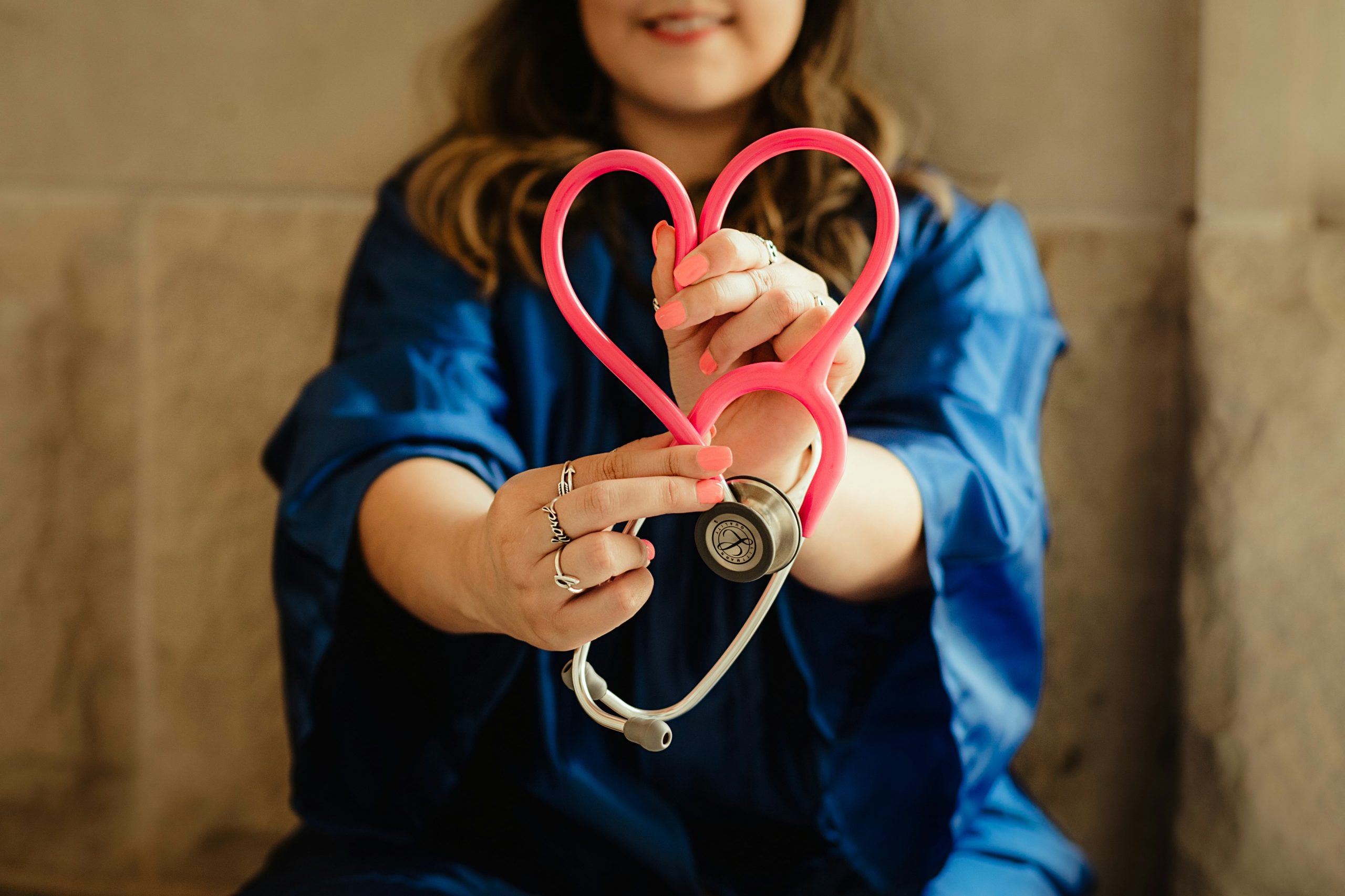
Open shifts and understaffed units are a daily reality in many healthcare facilities as the nursing workforce shortage deepens.
When you picture needing skilled nursing care, you probably assume it’ll be there when you need it. A nurse on staff at the hospital. A home health aide you can call. A long-term care facility with enough staff to actually look after your loved one. It’s a reasonable assumption. For most of us, it’s also wrong.
The U.S. is in the middle of a nursing workforce shortage that’s been building for decades. It’s not a slow-moving background story anymore. It’s showing up in emergency rooms, surgical recovery units, and home care agencies in ways that directly affect patients. Longer waits. Understaffed shifts. Nurses stretched across more patients than any one person can safely manage.
Understanding what’s driving this shortage – and how newer staffing models are responding to it – matters whether you’re managing a chronic condition, planning care for an aging parent, or just trying to make smart decisions about your own health.
Why finding a skilled nurse is harder than it used to be
Two sets of numbers tell the story. According to the Health Resources and Services Administration (HRSA), the U.S. faces a projected shortfall of more than 500,000 registered nurses by 2030. At the same time, the Bureau of Labor Statistics projects roughly 193,100 annual RN job openings through 2032 – far more than nursing programs can fill each year.
Part of the problem sits at the training level. The American Association of Colleges of Nursing reported that nursing schools turned away 65,766 qualified applicants in 2023 alone – not because they weren’t qualified, but because there weren’t enough faculty to teach them. The pipeline is blocked at both ends.
Facilities are losing nurses as fast as they hire them. The NSI 2026 National Health Care Retention and RN Staffing Report estimates national RN turnover at around 16% in 2024, with hospitals spending $40,000-$60,000 to replace each nurse who leaves. Some units are now running short-staffed as a baseline, not an exception.
Flexible models like on-demand nurse staffing have become a practical response to this pressure. Platforms that let healthcare facilities post open shifts and connect with credentialed nurses fill coverage gaps faster than traditional hiring cycles allow – a meaningful difference when a unit needs a qualified nurse tonight, not in three weeks.
What on-demand nursing means for healthcare facilities – and their patients
On-demand staffing isn’t a workaround. It’s a structural change in how facilities manage coverage. When a hospital or surgery center posts an open shift on an on-demand platform, it’s accessing a pool of nurses who’ve already been credentialed, background-checked, and matched to specific specialties. The facility gets coverage. The nurse gets flexibility. The patient gets a staffed unit.
Why should patients care about this? Because nurse-to-patient ratios matter for outcomes. The American Association of Colleges of Nursing has consistently linked adequate staffing levels to lower patient mortality and reduced failure-to-rescue rates. When a unit is short two nurses on a night shift, every patient on that floor carries more risk.
On-demand staffing doesn’t fix the workforce crisis on its own. It does, however, prevent the worst gaps from reaching patients on any given day. For someone recovering from surgery or managing a complex condition, that difference is real.
For those who want to actively track how chronic stress affects recovery, measuring your stress levels at home is one way to stay ahead of what professional care alone can’t catch.
The science behind personalized nursing care
What makes skilled nursing effective isn’t just showing up – it’s adapting care to the specific person receiving it. A 2025 systematic review published in BMC Nursing, covering 24 studies with 5,428 participants, found a consistent positive relationship between personalized nursing care and patient satisfaction. The same patients also experienced measurably fewer negative emotional symptoms, including anxiety and distress.
That’s more than a feel-good finding. It suggests that how care is delivered – not just whether it’s delivered – changes health outcomes. A nurse who knows your medication history, asks about your sleep, and notices when something’s off does something quantifiably different from one who’s racing through a 12-patient assignment.
A 2025 BMC Nursing review concluded that personalized nursing is not a soft preference. It’s a clinical variable. And it’s harder to deliver consistently when nurses are burned out, understaffed, or new to a unit every shift.
Personalized care also extends well beyond acute hospital stays. Chronic disease management, post-surgical recovery, and medication monitoring all benefit from nurses who know you over time – which is why the shift toward home-based nursing support is accelerating.
Aging in place and the role of skilled nursing support
The demand for home-based nursing isn’t coming from a niche group. By 2030, all Baby Boomers will be 65 or older, meaning roughly one in five Americans will be in that age bracket. According to AARP’s 2024 Home and Community Preferences Survey, 75% of adults aged 50 and older want to remain in their homes as they age. That’s a massive, consistent preference with real care implications.
The National Institute on Aging explains that aging in place typically requires more than good intentions. Skilled nursing support at home – wound care, medication management, chronic disease monitoring – is often what makes it viable. Without it, people end up in facilities earlier than necessary, or family members take on clinical tasks they weren’t trained for.
HRSA data shows that non-metro areas already face a 13% RN shortage. Rural and suburban families feel the staffing gap most acutely, and on-demand platforms are among the few mechanisms that can reach those communities without requiring relocation.
The U.S. home healthcare market is projected to reach $253.4 billion by 2030, a figure cited by multiple industry analysts tracking demographic demand through 2025. People want care at home. The infrastructure is catching up.
If you’re supporting an older parent or managing your own long-term health, it’s also worth paying attention to B12, energy, and recovery – a connection that often goes unaddressed in clinical settings focused purely on acute care.
What this means for your personal wellness strategy
Most wellness advice focuses on what you can control directly: sleep, nutrition, stress management, and movement. That’s the right foundation. But there’s a layer most people overlook – knowing how to access skilled professional care when self-managed health isn’t enough.
Nurse staffing levels are a legitimate quality indicator when you’re choosing a hospital, a surgical center, or a long-term care facility for a family member. You can ask. You’re allowed to. Questions like “what’s your average nurse-to-patient ratio on this floor?” or “do you use supplemental staffing to cover gaps?” give you real information.
When you do have access to a skilled nurse who knows your history and actually has time for you, the outcomes are better – the 2025 BMC Nursing review found exactly that across 24 studies and 5,428 patients. And it pairs well with the kind of proactive, self-managed health habits most Vitagene readers are already building.
If chronic stress or disrupted sleep is part of your picture – and for most adults it is – understanding sleep, stress, and your recovery is a useful starting point. Professional nursing care and personal wellness aren’t separate tracks. They work better together.
Personalized healthcare starts with having access to it
The nursing workforce shortage is real, documented, and not resolving quickly. But on-demand staffing models are already changing what care access looks like in practice – for facilities that can’t afford to run short-staffed, and for patients who need attentive, consistent care.
Knowing where the gaps are and how the system is adapting isn’t just background noise. It’s part of making informed decisions about your own health and the health of the people you care for. The best wellness strategy still depends on having skilled professionals available when you need them.
The distance between what people want from healthcare and what the workforce can currently provide is narrowing. The tools making that happen – flexible staffing, on-demand coverage, home-based nursing – are already in use. Worth knowing about before you need them.
