


Key Takeaways
- Magnesium glycinate is safe for children at age-appropriate doses. The Tolerable Upper Intake Level (UL) for supplemental magnesium ranges from 65 mg/day in toddlers to 350 mg/day in teens.
- Most children in Western countries do not meet the magnesium RDA through diet alone. Low intake is strongly associated with poor sleep, growing pains, restlessness, and difficulty concentrating.
- Glycinate is the preferred form for children targeting sleep or anxiety. The glycine component has independent calming properties through NMDA and glycine receptor activity.
- Always consult a paediatrician before supplementing children under 4, and before exceeding standard doses in children with ADHD or kidney conditions.
Magnesium glycinate is widely used by adults for sleep, anxiety, and muscle recovery, and parents are increasingly asking whether it applies to children too. The short answer is yes, it is generally safe for kids at the right dose. But the right dose varies considerably by age, the form matters, and a few important safety distinctions are worth understanding before starting.
This guide covers whether magnesium glycinate is safe for kids, the age-specific dosage based on NIH Recommended Dietary Allowances, what it actually helps with, and when a paediatrician conversation is essential.
Is Magnesium Glycinate Safe for Kids?
Yes, at appropriate doses. Magnesium glycinate is one of the safest magnesium forms for children because it has high bioavailability, excellent digestive tolerance, and minimal side effects at recommended amounts. The glycine component is an inhibitory amino acid with independently calming properties, making the combined effect particularly suited to the most common reasons parents consider magnesium for children: sleep and anxiety.
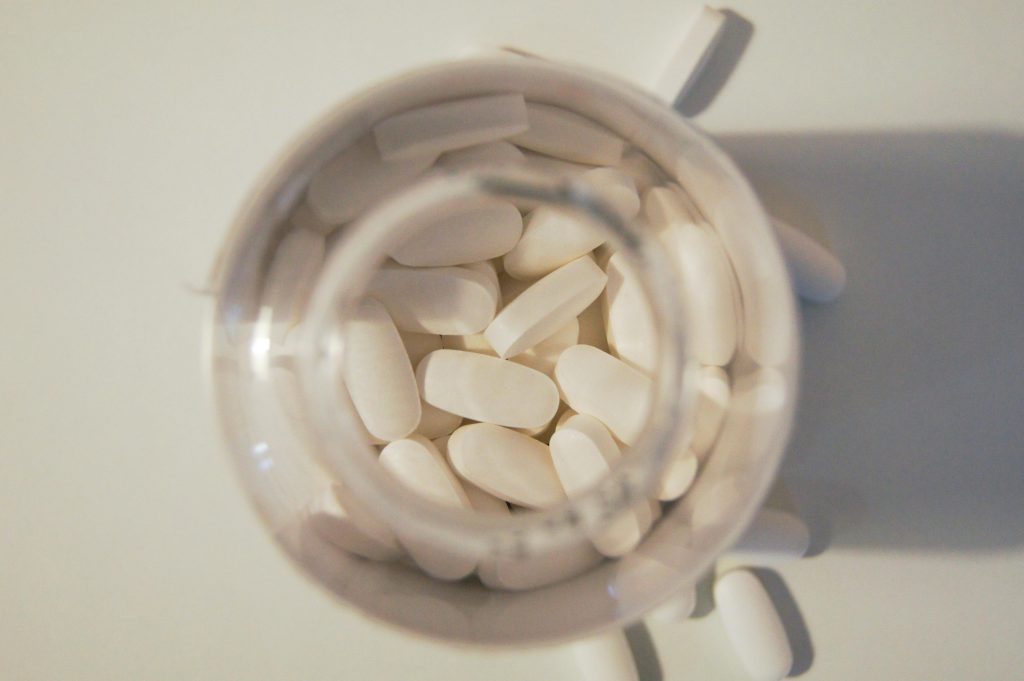
The most important safety concept to understand is the distinction between total dietary intake and supplemental intake. The NIH Office of Dietary Supplements sets a Tolerable Upper Intake Level (UL) that applies specifically to supplemental magnesium, not magnesium from food. Dietary magnesium is absorbed efficiently and the body regulates excess through reduced absorption. Supplemental magnesium at high doses can overwhelm this regulation and cause osmotic diarrhoea. Parents should count supplement doses toward the UL, not their child’s food intake.
Magnesium for sleep in adults operates through the same mechanisms as in children: GABA-A receptor potentiation and NMDA receptor modulation that reduce neurological arousal. The paediatric application follows the same logic with age-adjusted doses.
Magnesium Glycinate Dosage for Kids by Age
The table below is based on NIH RDA and UL values for magnesium, with practical starting doses as magnesium glycinate. Doses refer to elemental magnesium content, not total magnesium glycinate compound weight. Always check the supplement label for elemental magnesium per serving.
| Age group | RDA (total daily) | UL (supplemental only) | Starting dose as glycinate | Notes |
| Toddlers 1-3 years | 80 mg | 65 mg | 40-65 mg elemental Mg | Paediatrician guidance strongly recommended |
| Children 4-8 years | 130 mg | 110 mg | 65-110 mg elemental Mg | Split AM/PM if near upper end of range |
| Children 9-13 years | 240 mg | 350 mg | 100-200 mg elemental Mg | More flexibility; upper range for sleep or ADHD |
| Teens 14-18 years | 360-410 mg | 350 mg | 200-350 mg elemental Mg | Adult-range doses appropriate; verify elemental Mg on label |
| Label reading tip: a product listing “500 mg magnesium glycinate” does not mean 500 mg of elemental magnesium. Magnesium glycinate is approximately 14% elemental magnesium by weight. A 500 mg magnesium glycinate dose delivers around 70 mg of elemental magnesium. Always use the elemental magnesium figure when comparing to the dosage table above. |
Start at the lower end of the age-appropriate range, particularly for younger children. Increase gradually over 1-2 weeks if needed. The first sign that the dose exceeds the child’s absorption capacity is loose stools. This is not dangerous, just a signal to reduce the dose by 25-50% and titrate back up more slowly.
Signs Your Child May Need More Magnesium
Surveys consistently find that 40-60% of children in Western countries fall below the RDA for magnesium through diet alone. The reasons are dietary: low vegetable and legume intake, high consumption of refined foods from which magnesium-containing bran has been removed, and high sugar intake, which increases urinary magnesium excretion.
Signs that may indicate inadequate magnesium in children:
- Difficulty falling or staying asleep, or restless sleep
- Frequent leg cramps, growing pains, or nocturnal limb aches
- Restlessness and irritability that worsens in the evenings
- Heightened anxiety, emotional dysregulation, or low frustration tolerance
- Constipation
- Difficulty concentrating or easily overwhelmed
- Teeth grinding (bruxism), particularly at night
None of these symptoms are exclusive to magnesium deficiency, but when several are present together in a child who eats few vegetables, nuts, seeds, or legumes, low magnesium is worth investigating. Foods high in folate overlap significantly with magnesium-rich plant foods; a diet adequate in folate-containing vegetables is also likely to contain meaningful dietary magnesium. The B vitamins also play a role in the same neurological pathways affected by magnesium deficiency, particularly B6, which supports GABAergic neurotransmission alongside magnesium.
What Magnesium Glycinate Helps With in Kids
Sleep

This is the most common reason parents consider magnesium glycinate for children, and it has the strongest supporting rationale. Magnesium supports sleep through GABA-A receptor potentiation and NMDA receptor modulation, reducing the neurological arousal that keeps overtired children from settling. The glycine component adds to this through glycine receptor activation in the brainstem, which is associated with lower core body temperature and improved sleep quality.
Magnesium glycinate is most effective for the “overtired but wired” pattern: children who appear exhausted but cannot wind down, who take a long time to fall asleep despite tiredness, or who wake frequently during the night. A 2012 randomised trial in the Journal of Research in Medical Sciences confirmed magnesium supplementation improved sleep onset, sleep efficiency, and early morning waking in adults; the neurological mechanisms apply directly to children.
Practical guidance: give 30-60 minutes before bedtime. For sleep applications, use the age-appropriate dose from the table above. For children with significant sleep difficulties, start at the lower end and increase after 1-2 weeks if no improvement.
Anxiety and Emotional Regulation
Magnesium modulates the HPA stress axis, reducing CRH secretion and dampening the cortisol response to stressors. Glycine directly supports inhibitory neurotransmitter activity. For children with anxiety, school-related stress, or emotional dysregulation, magnesium glycinate addresses the deficiency component of anxious arousal. It is most relevant when dietary intake is poor and when symptoms pattern-match to magnesium deficiency. It is not a substitute for therapy or medical assessment of anxiety disorders, but a useful adjunct for children who are also insufficiently nourished in this mineral.
ADHD and Attention
Multiple controlled studies have found lower serum and intracellular magnesium levels in children with ADHD compared to controls. A systematic review by Effatpanah et al. (Psychiatry Research, 2019) found a significant association between magnesium deficiency and ADHD symptom severity across multiple studies. Some small RCTs show supplementation improves hyperactivity and inattention scores, particularly in children with confirmed low magnesium.
The honest framing: magnesium supplementation corrects a deficiency that amplifies ADHD symptom expression. It does not treat ADHD as a primary intervention and should not replace evidence-based ADHD management. For children taking stimulant medication, inositol is another evidence-supported adjunct for neurodevelopmental support through insulin receptor and neurotransmitter signalling pathways. Discuss any supplements with the prescribing doctor.
Growing Pains and Muscle Cramps

Magnesium is essential for muscle relaxation at the cellular level. Calcium triggers muscle contraction; magnesium enables release. Children with growing pains, which are nocturnal lower-limb aches typically occurring in ages 3-12, often have lower magnesium levels. Magnesium glycinate given before bed addresses both the muscle discomfort and the associated sleep disruption simultaneously, making it a practical choice for this common paediatric complaint.
Magnesium Glycinate for Kids vs. Other Forms
| Form | Bioavailability | Digestive tolerance | Best use for children |
| Glycinate | High | Excellent | Sleep, anxiety, general deficiency |
| Citrate | Moderate-High | Moderate (loose stools at higher doses) | Constipation; lower doses for sleep |
| L-Threonate | High (brain-targeted) | Good | Focus and cognitive applications |
| Malate | Moderate | Good | Energy and muscle function |
| Oxide | Low | Poor | Not recommended for children |
For most children using magnesium for sleep, anxiety, or general deficiency: glycinate is the best starting choice. It delivers the highest benefit-to-side-effect ratio at therapeutic doses. The one exception is constipation, where magnesium citrate’s osmotic mechanism is specifically useful and glycinate is less effective. For young children who cannot swallow capsules, magnesium glycinate is available as a powder that can be mixed into water or juice, and as gummies. Gummies are palatable but often contain added sugars and deliver less elemental magnesium per serving than powders or capsules; check the label carefully before comparing doses.
Side Effects and Safety
Magnesium glycinate is well-tolerated in children at appropriate doses. The most common and only practically relevant side effect is loose stools or diarrhoea when the dose exceeds the child’s absorption capacity. This is not dangerous and resolves within a day of reducing the dose. It is a reliable early signal to back off rather than push through.
- Nausea: occasional; take with food to prevent.
- True toxicity (hypermagnesaemia): extremely rare from oral supplementation in children with normal kidney function. Far more likely from very high doses of intravenous magnesium in medical settings.
- Kidney disease: children with impaired kidney function cannot clear excess magnesium normally. Supplementation requires medical supervision.
- Antibiotic interaction: magnesium reduces absorption of tetracycline and fluoroquinolone antibiotics. Separate supplement and antibiotic administration by at least 2 hours.
The Mineral Most Kids Are Not Getting Enough Of
Magnesium deficiency is widespread in children on typical Western diets, and its effects, including poor sleep, growing pains, restlessness, and emotional dysregulation, are among the most common reasons parents seek answers. Magnesium glycinate addresses this with the gentlest digestive profile of any magnesium form and with the added benefit of glycine’s independent calming properties.
Start at the lower end of the age-appropriate dose, verify the elemental magnesium content on the label rather than the total compound weight, and give it 2-4 weeks before evaluating the effect. Most parents notice sleep changes first, typically within 3-7 days. Anxiety and concentration improvements take longer as tissue magnesium levels rebuild.
For toddlers, children with ADHD, or any child on regular medication: a paediatrician review is the right first step, not a supplement article. The dosage table above provides a safe framework; a doctor provides the clinical context to apply it.
Frequently Asked Questions
Is magnesium glycinate safe for toddlers?
At low doses (40-65 mg elemental magnesium), it is generally considered safe. Paediatrician guidance is strongly recommended for children under 4 before starting any supplementation.
What is the right magnesium glycinate dose for kids?
It depends on age. Children 4-8: 65-110 mg elemental magnesium. Children 9-13: 100-200 mg. Teens: 200-350 mg. Always start at the lower end of the range and increase gradually. See the dosage table for full detail.
Magnesium glycinate vs. melatonin for kids sleep: which is better?
They work through different mechanisms. Melatonin directly triggers sleep onset and suits circadian rhythm issues or jet lag. Magnesium glycinate reduces arousal and anxiety that prevent sleep from occurring. For general overtiredness and restlessness, magnesium glycinate is often tried first; both can be used together at low doses.
How quickly does magnesium glycinate work for children?
Sleep improvements are typically noticed within 3-7 days. Anxiety, emotional regulation, and concentration changes take longer, usually 2-4 weeks, as tissue magnesium levels rebuild.
Can children take magnesium glycinate every day?
Yes. Daily supplementation at appropriate doses maintains tissue magnesium levels consistently. Magnesium is not stored in large quantities and benefits from regular intake.
What is the best form of magnesium for kids with ADHD?
Magnesium glycinate is generally preferred for ADHD-related applications because of its calming properties and digestive tolerance. Start within the age-appropriate range and discuss with the prescribing doctor if the child is on stimulant medication.
