

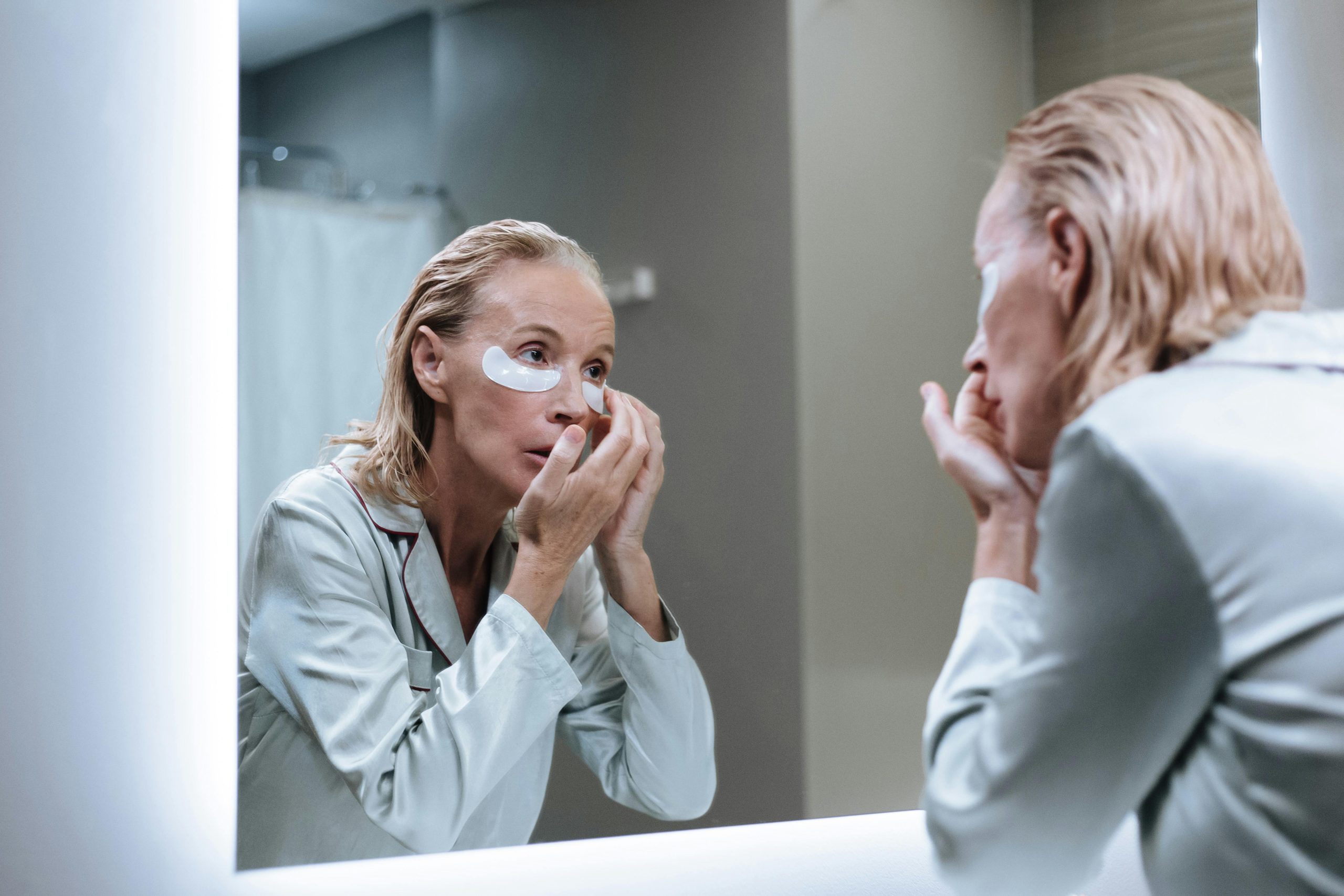
You finally find an anti-aging serum everyone is raving about. You try it for two weeks, and suddenly your skin looks ten years younger and also ten years back in high school, complete with the breakouts to match. Sound familiar?
Dealing with acne-prone skin while also trying to address fine lines, uneven texture, and loss of firmness can feel like a cruel contradiction. The reality is that many rich, occlusive anti-aging ingredients are exactly what acne-prone skin reacts to. But that doesn’t mean you have to choose between smooth skin and clear skin. You just have to be smarter about what you reach for.
Why Acne-Prone Skin and Anti-Aging Products Often Clash
Most traditional anti-aging moisturizers and serums are built around heavy emollients and oils designed to restore a compromised moisture barrier. That works beautifully for dry or mature skin types. For acne-prone skin, though, those same ingredients can sit in pores, trap dead skin cells, and trigger breakouts.
Ingredients like mineral oil, coconut oil, lanolin, and certain silicones tend to be highly comedogenic, meaning they block pores. Many anti-aging products also layer multiple actives together in one formula, which can over-stimulate sensitive, reactive skin and cause inflammation. And inflamed skin breaks out.
The goal isn’t to avoid anti-aging skincare entirely. It’s to identify which ingredients actually work for your skin type and which ones just cause problems.
What Actually Works
Retinoids – the gold standard, done right
If there’s one ingredient that genuinely delivers on both anti-aging and acne promises, it’s retinoids. Retinol (and its stronger prescription cousin tretinoin) increases cell turnover, stimulates collagen, fades dark spots, and clears clogged pores, all at once. For acne-prone skin, this dual-action effect is hard to beat.
The catch is the adjustment period. Starting too strong or too fast often triggers purging, peeling, and irritation. Begin with a low-concentration retinol two or three nights a week, applied to completely dry skin, and increase slowly over several months. Buffering it with a lightweight moisturizer helps reduce irritation significantly.
Niacinamide – the multitasker your skin actually loves
Niacinamide (vitamin B3) is one of those rare skincare ingredients that does a little of everything well. It visibly reduces the appearance of pores, fades post-acne marks and hyperpigmentation, improves skin barrier function, and has a gentle plumping effect that softens fine lines over time. It’s also anti-inflammatory, which makes it an excellent match for acne-prone skin that tends to be reactive.
Unlike many actives, niacinamide plays well with almost everything in your routine. It’s stable, well-tolerated, and works at concentrations between 5% and 10%.
Lightweight peptides
Peptides are chains of amino acids that signal the skin to produce more collagen. The key advantage for acne-prone skin is that peptide serums are almost always lightweight, water-based, and non-comedogenic. They won’t clog pores, and they layer easily under SPF or a gel moisturizer.
Look for ingredients like Matrixyl (palmitoyl pentapeptide) or copper peptides for collagen support without the breakout risk.
Hyaluronic acid for hydration without heaviness
Dehydrated skin ages faster and can actually produce more oil to compensate for lack of moisture, which leads to more breakouts. Hyaluronic acid is a humectant that draws water into the skin without adding any oil or weight. A hyaluronic acid serum applied to damp skin and sealed with a lightweight gel moisturizer gives you the plumping, line-smoothing effect you want, without anything pore-clogging getting in the way.
SPF – non-negotiable, always
UV exposure is the single biggest driver of visible skin aging. Photoaging, wrinkles, loss of elasticity, dark spots, rough texture- is largely preventable with consistent sunscreen use. For acne-prone skin, choose a broad-spectrum SPF 30 or higher in a gel, fluid, or non-comedogenic formula. Many mineral sunscreens with zinc oxide are not only non-comedogenic but also calming for inflamed, reactive skin.
What Doesn’t Work (and Why)
Heavy facial oils and oil-rich creams
Rosehip oil, marula oil, and squalane get a lot of praise, and for dry or normal skin, they earn it. But for acne-prone skin, many of these can be highly comedogenic. Even “natural” or “clean” doesn’t mean non-pore-clogging. Check the comedogenic rating of any oil before adding it to your routine.
Thick, occlusive overnight masks
Slugging, applying a thick layer of petroleum jelly or heavy balm as the last step of your nighttime routine, has become popular for skin barrier repair. It works for some skin types. For acne-prone skin, trapping everything under an occlusive layer can lead to congestion and breakouts, particularly around the nose, chin, and forehead.
Fragrance-heavy formulas
Many luxury anti-aging products are heavily fragranced. While fragrance itself doesn’t directly cause acne, it is a common irritant that triggers inflammation in sensitive skin. Chronic low-grade inflammation weakens the skin barrier and makes breakouts more frequent. When building an anti-aging routine for acne-prone skin, fragrance-free is worth prioritizing.
Layering too many actives at once
Retinol, vitamin C, AHAs, BHAs, and peptides are all beneficial. But using all of them in the same routine, or even the same week, without building up tolerance, creates more inflammation than it resolves. Keep your routine simple and targeted, especially when introducing new actives.
The Routine That Balances Both Goals
Morning: gentle cleanser → niacinamide serum → lightweight hyaluronic acid moisturizer → non-comedogenic SPF
Evening: gentle cleanser → retinol (2–3 nights/week to start) → lightweight gel moisturizer
That’s it. Simple, evidence-backed, and designed for skin that needs to do two things at once.
Anti-aging and acne-prone don’t have to be at war with each other. The right ingredients, retinoids, niacinamide, peptides, hyaluronic acid, and consistent SPF, give you everything you need without the breakouts that often come with heavier formulas. Build slowly, stay consistent, and resist the urge to pile on more. Your skin will thank you for both.
