

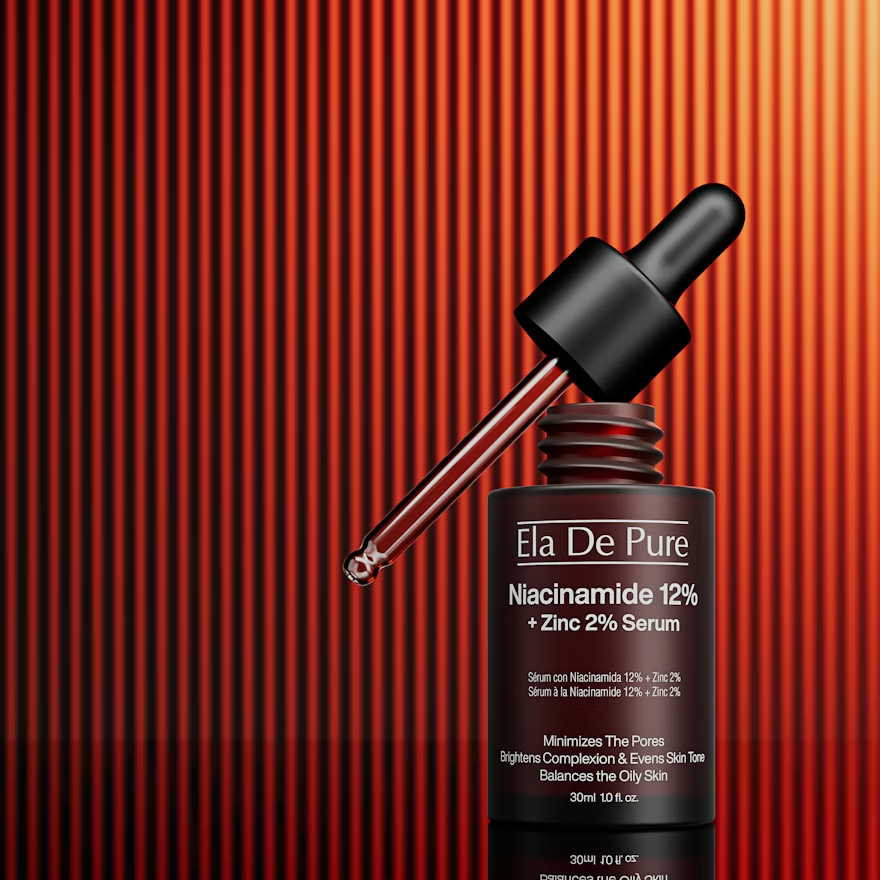
Key Takeaways
- Niacinamide works through four mechanisms: sebum reduction, anti-inflammatory activity, skin barrier reinforcement, and fading post-acne dark spots.
- 10% is the most studied concentration for acne and is comparable to topical erythromycin (an antibiotic) in clinical trials. Sensitive skin should start at 5%.
- Adding zinc (as zinc PCA) makes the serum more effective for oily inflammatory acne by targeting the androgen-driven sebum component and providing antibacterial activity that niacinamide alone lacks.
- Niacinamide does NOT cause purging – it has no cell-turnover-accelerating mechanism. Breakouts attributed to it are almost always from comedogenic co-ingredients in the formulation.
- It is compatible with vitamin C, salicylic acid, retinol, and hyaluronic acid. Use twice daily for best results. Results for oiliness: 2-4 weeks. Active acne and post-acne marks: 8-12 weeks.
Niacinamide has become one of the most widely recommended skincare ingredients for acne-prone skin, appearing in everything from drugstore serums to dermatologist-formulated products. The reason it appears so consistently is that it works through four separate mechanisms simultaneously – not just one – making it useful at multiple points in the acne cycle rather than targeting a single cause.
What makes it worth understanding properly is that those four mechanisms address different problems: excess oil production, inflammation, a compromised skin barrier, and the post-acne dark spots that outlast the breakouts themselves. Knowing which mechanism addresses which symptom is what lets you use a niacinamide serum for acne strategically rather than just hoping it helps.
This guide covers how niacinamide works against acne, which concentration to use, how to layer it in a routine, the zinc combination explained, and the honest answer to whether it causes breakouts or purging.
How Niacinamide Works Against Acne
Unlike single-mechanism treatments, niacinamide operates on four distinct pathways. Each one addresses a different stage or component of acne development.
Sebum Regulation
Niacinamide suppresses the synthesis of fatty acids and wax esters in sebaceous glands, reducing total sebum output. This is where it produces the most consistent results: measurable reduction in oiliness within 2-4 weeks of regular use. Excess sebum matters because it is the primary substrate for Cutibacterium acnes – the bacteria most associated with inflammatory acne – and because it contributes to pore congestion that precedes breakout formation.
Anti-Inflammatory Activity
Niacinamide inhibits the production of pro-inflammatory cytokines including IL-1beta, IL-6, and TNF-alpha, and reduces neutrophil recruitment to inflammatory sites. This directly addresses the redness, swelling, and pain of active papules and pustules, and reduces the severity of the chronic inflammatory cascade that contributes to post-inflammatory scarring.
Skin Barrier Reinforcement
Niacinamide stimulates the synthesis of ceramides, free fatty acids, and cholesterol in the stratum corneum — the three components of a functional skin barrier. Acne-prone skin typically has a compromised barrier (often worsened by harsh cleansers, benzoyl peroxide, or retinoids), and a deficient barrier allows greater bacterial penetration and makes skin more reactive to irritants. This mechanism is why niacinamide is particularly useful as a buffer ingredient alongside stronger acne actives. Vitamin E operates through a similar barrier-supportive and antioxidant pathway, making it a compatible partner in acne-prone routines.
Post-Acne Hyperpigmentation
Niacinamide inhibits the transfer of melanosomes – the vesicles that carry melanin – from melanocytes to surrounding skin cells. This reduces post-inflammatory hyperpigmentation (PIH): the dark spots and patches that can linger for weeks to months after acne resolves. This mechanism operates independently from its effect on active acne, making niacinamide effective during lower-breakout periods when maintaining an even tone is the primary concern.
What Types of Acne Niacinamide Helps – and What It Does Not
Niacinamide is most effective for inflammatory acne (red papules and pustules), oily and congested skin, and post-acne dark spots. For these presentations it has strong clinical support and is one of the best-tolerated active ingredients available.

It is less effective for comedonal acne (blackheads and whiteheads). Niacinamide is not an exfoliant — it does not loosen or remove pore-clogging debris the way salicylic acid does. For blackhead-dominated acne, a BHA exfoliant is more directly targeted. Niacinamide also has no meaningful antibacterial activity against C. acnes. Tea tree oil addresses the bacterial component through a different mechanism and is compatible alongside niacinamide for broader coverage. For severe cystic acne, niacinamide is a supportive ingredient – valuable, but not a standalone treatment.
The most accurate framing: niacinamide is an excellent daily maintenance ingredient for acne-prone skin that consistently manages oiliness, inflammation, and post-acne pigmentation. It is not an emergency spot treatment or a complete acne solution on its own.
Which Niacinamide Concentration to Choose
| Concentration | Best for | Notes |
| 2 – 5% | Sensitive skin; first-time users | Effective for mild oiliness and redness; lower irritation risk |
| 10% | Normal to oily acne-prone skin | Most evidenced for acne; comparable to 4% erythromycin in RCT |
| Above 10% | Not recommended for acne | No added clinical benefit; higher irritation and flushing risk |
The 10% concentration has the most clinical evidence for acne. A randomised controlled trial comparing topical 4% niacinamide gel to topical 4% erythromycin (a standard antibiotic treatment) found comparable reductions in inflammatory lesion count – a meaningful benchmark for an over-the-counter ingredient. Higher concentrations have no clinical evidence of superior efficacy and carry increased risk of flushing and barrier irritation. If you have sensitive skin, start with 5% and transition to 10% after 2-4 weeks once tolerance is established.
Niacinamide and Zinc: Why the Combination Works Better for Acne
The most widely used niacinamide serum for acne – The Ordinary’s Niacinamide 10% + Zinc 1% — pairs both ingredients deliberately, not as a marketing decision.
Zinc adds three acne-relevant mechanisms that niacinamide alone does not provide. First, zinc inhibits Cutibacterium acnes growth directly through disruption of bacterial enzyme activity. Second, zinc inhibits 5-alpha reductase, the enzyme that converts testosterone to DHT, which stimulates sebaceous gland activity and sebum overproduction – addressing the androgen-driven component of oiliness that niacinamide’s mechanism does not target. Third, zinc has independent anti-inflammatory effects through toll-like receptor pathway modulation, complementing rather than duplicating niacinamide’s cytokine inhibition.
The zinc form in these serums – zinc PCA (pyrrolidone carboxylic acid) – is specifically chosen for superior skin penetration compared to zinc oxide or zinc sulfate. For the detailed mechanism of how zinc works against acne through these pathways, and the evidence behind combining niacinamide and zinc for oily inflammatory acne, those articles cover the clinical data in full depth.
For oily, inflammatory acne-prone skin: the combination addresses sebum through two independent mechanisms, adds antibacterial activity, and delivers anti-inflammatory effect through two complementary pathways. It has meaningfully broader coverage than niacinamide alone.
How to Use Niacinamide Serum: Routine Placement and Application
Niacinamide sits in the serum step – after cleansing and toning, before moisturiser and SPF.
Layering order: cleanser, toner (if using), niacinamide serum, moisturiser, SPF (morning only).
Apply 3-5 drops to clean dry skin. Allow 30-60 seconds to absorb before the next product. Volume applied does not increase efficacy – the product concentration determines the active delivery.
Niacinamide can be used morning and evening without restriction. It is not photosensitising and needs no UV protection specific to it. Twice-daily use produces better sebum control and more consistent anti-inflammatory benefit than once-daily for acne-prone skin.
Addressing acne from the inside out complements topical treatment. Gut microbiome balance influences systemic inflammation and sebum-driving hormone clearance through the gut-skin axis. Anti-inflammatory ingredients like turmeric address the inflammatory component through systemic pathways that complement what niacinamide does at the skin surface.
What to Combine With Your Niacinamide Serum
| Ingredient | Compatible? | How to layer | Combined benefit |
| Salicylic acid | Yes | Apply SA first, then niacinamide | SA unclogs pores; niacinamide calms inflammation and oil |
| Vitamin C | Yes | Either order; 30s between | Vitamin C brightens; niacinamide fades PIH and controls oil |
| Retinol / retinoids | Yes — recommended | Niacinamide first, retinol after | Niacinamide reduces retinol irritation and dryness |
| Hyaluronic acid | Yes | Layer together or in same product | Hydration + barrier support |
| Benzoyl peroxide | Use with caution | Apply AM/PM separately, not layered | BP may degrade niacinamide; keep apart |
| AHAs (glycolic, lactic) | Compatible with spacing | Let AHA absorb fully before niacinamide | Avoid very low pH immediately before niacinamide |
The vitamin C compatibility question deserves a direct answer because it is widely misunderstood: yes, they can be used together. The concern that mixing niacinamide and vitamin C produces niacin – which causes flushing – is based on a chemical reaction that requires temperatures and concentrations that do not exist in skincare products or on the skin surface. In practice this conversion does not occur meaningfully. The best vitamin C serums for acne-prone skin are fully compatible with niacinamide and their effects are complementary: vitamin C brightens through antioxidant activity; niacinamide fades PIH through melanosome transfer inhibition.
Does Niacinamide Cause Breakouts or Purging?
These are the most-searched niacinamide + acne queries, and the precise answers matter.
Niacinamide does not cause purging. Purging is mechanistically caused by ingredients that accelerate skin cell turnover – retinoids and exfoliating acids – bringing congested material to the surface faster, producing temporary worsening before improvement. Niacinamide has no cell-turnover-accelerating mechanism. It cannot cause purging because the mechanism through which purging occurs does not apply to it.
True niacinamide-caused acne is rare. When new breakouts appear after starting a niacinamide product, the most common explanations are: comedogenic co-ingredients in the formulation (heavy silicones, waxes, or emollients that clog pores in acne-prone skin), irritation at high concentrations causing an inflammatory response that produces acne-like lesions, or coincidental timing with a hormonal or dietary breakout unrelated to the new product.
| If you experience new breakouts after starting a niacinamide serum: check the full ingredient list for known comedogenic ingredients before attributing it to the niacinamide. Look for isopropyl myristate, isopropyl palmitate, cocoa butter, or heavy waxes near the top of the list. Switching to a simpler, non-comedogenic formulation often resolves the issue without abandoning the ingredient. |
Frequently Asked Questions
Does niacinamide help with acne scars?
It helps with post-inflammatory hyperpigmentation — the flat dark spots after acne. It fades these over 8-12 weeks by inhibiting melanosome transfer. It does not improve textured or indented scarring, which requires resurfacing treatments.
Can niacinamide cause acne?
Rarely, and almost never from the niacinamide itself. Most attributable breakouts come from comedogenic co-ingredients in the formulation or irritation at high concentrations. Check the full ingredient list before switching away from the ingredient.
Does niacinamide cause purging?
No. Purging requires an accelerated cell-turnover mechanism. Niacinamide does not exfoliate or accelerate cell turnover, so purging cannot occur.
Can I use niacinamide with vitamin C?
Yes — fully compatible. The concern about niacin formation is based on chemistry that does not apply at real skincare concentrations or skin temperature.
Is 10% niacinamide too strong for sensitive skin?
It can cause mild flushing in some sensitive skin types. Start with 5%, give it 2-4 weeks, then move to 10% if tolerated. Most acne-prone skin tolerates 10% once adjusted.
When will niacinamide show results?
Oiliness and redness: 2-4 weeks. Active inflammatory acne and post-acne marks: 8-12 weeks of consistent twice-daily use.
